Two New Zealand politicians have taken opposing positions on whether the country's recreational boating regulations are adequate, yet meaningful reform appears a long way off.
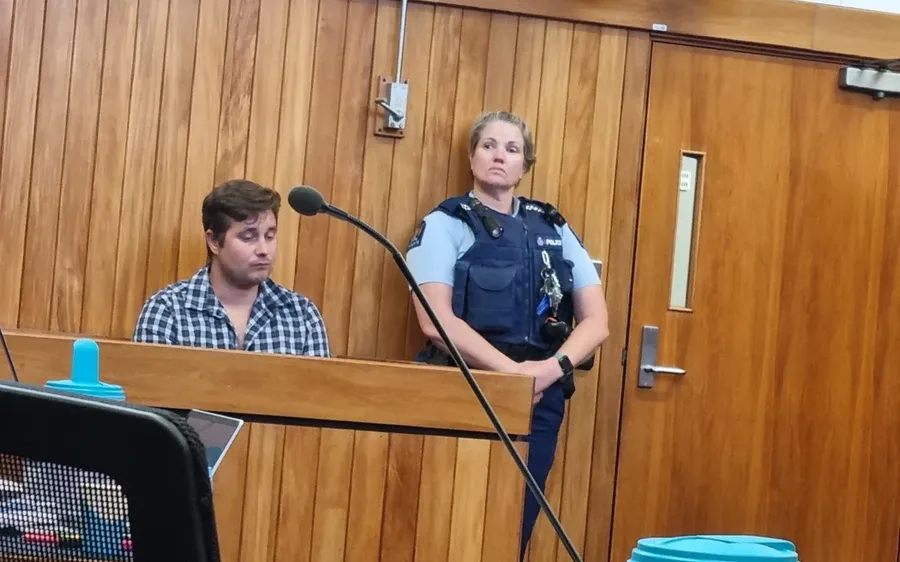
The debate was brought into focus by a sentencing in the Thames District Court, where skipper Travis Whiteman was fined for careless operation of a vessel under the Maritime Transport Act 1994 after two women were struck by a spinning boat propeller. Speaking outside the court, the mother of one of those women told RNZ that legislation needed to change to ensure skippers were not drinking while in charge of a vessel.
Her concern points to a gap that distinguishes boating from driving: recreational boat operators in New Zealand face no blood alcohol limit. In Whiteman's case, a police breath test conducted three hours after the incident returned a reading of more than 250 micrograms of alcohol per litre of breath, the limit for driving on New Zealand roads.
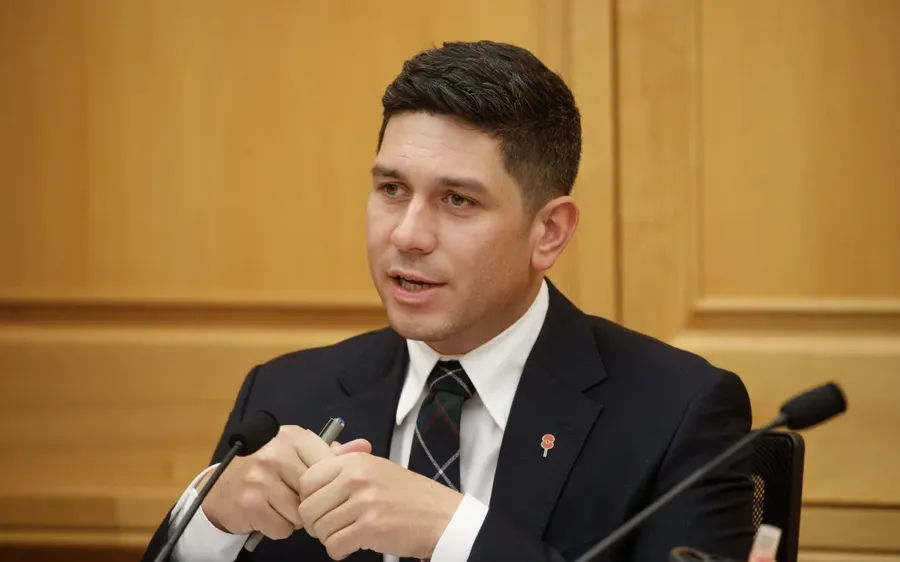
Associate Transport Minister James Meager, who holds responsibility for maritime matters, argued that the comparison between road and water is not straightforward. "When it comes to safety on the water it is the reality that the risks are somewhat lower," he said. His view is that the two environments carry different risk profiles, which is why the law treats them differently. Meager added that he was always open to looking at whether the rules should be strengthened, though he acknowledged it was not something he had looked at.
"It is always a trade-off and that assessment of what is the risk," he said.
Te Tai Tonga MP Tākuta Ferris brought a more personal perspective to the discussion. Ferris grew up on the sea and has owned his own boat since his early 20s. Far from seeing the water as lower-risk, he argued the opposite. "It's not like having a little accident in a car where you can just step out on the side of the road and have a rest, you know if you tip your boat up or you come into trouble out on the water you could be treading water, just like that," he said.
The regulatory picture Ferris described is notably permissive. Any person can purchase a vessel regardless of its condition, there is no warrant of fitness requirement, operators need neither training nor a licence, and no alcohol limits apply. Ferris said he personally discourages drinking aboard his own boat. "I don't even like drinks being on my boat because I don't want to have to deal with a drunk person while I'm on the boat on the sea because that's just another distraction," he said. He has added his voice to those calling for tighter regulation of skippers.
Meager pointed to a member's bill currently before parliament that would expand the rules around life jackets for children, saying the government was focused on people staying safe on the water. He raised practical questions about the workability of broader reforms. "You can have these rules in place, but how would you then go about enforcing say breath-testing limits and impairment tests on waterways?" he said. He also flagged the financial costs involved, suggesting that even with a strong commitment to public safety, the expense might not justify the benefit. "While we are still very, very keen on protecting public safety, it might not have the trade-off which is worth the cost of doing that."
Meager said that if there was a significant case for change he would be open to looking at it, but conceded that as the responsible minister he had not come across the issue before it was raised with him.