An underwater telecommunications cable belonging to Finnish provider Elisa was found damaged early Wednesday in Estonia's exclusive economic zone, prompting a criminal investigation and the detention of a vessel and its crew by Finnish authorities.
Helsinki police have launched an investigation into aggravated criminal damage, attempted aggravated criminal damage, and aggravated interference with telecommunications. Two crew members were placed under travel bans as the investigation progressed, according to a police statement issued Thursday. Authorities declined to release details about the crew members' ranks, nationalities, or other identifying information.
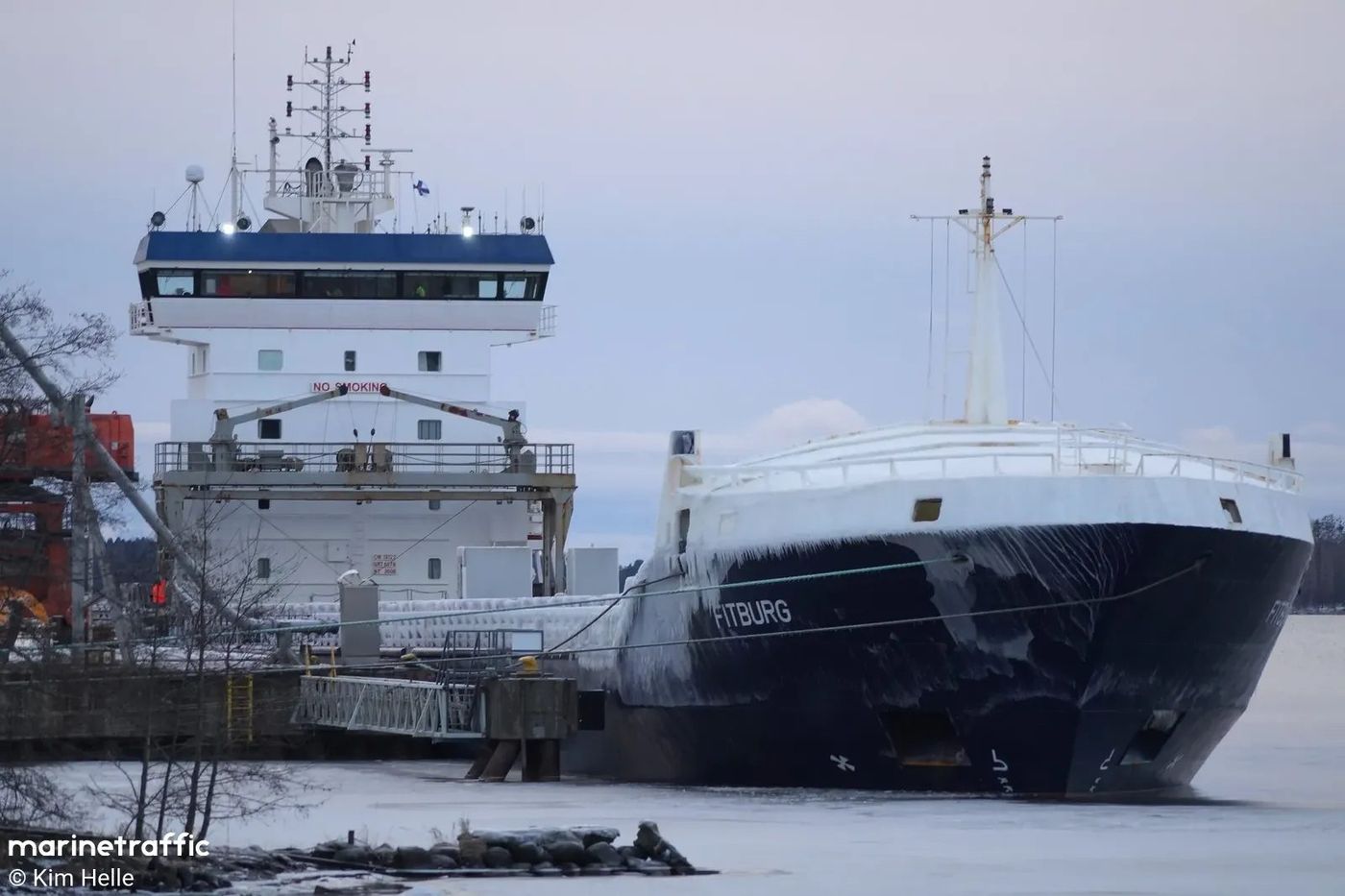
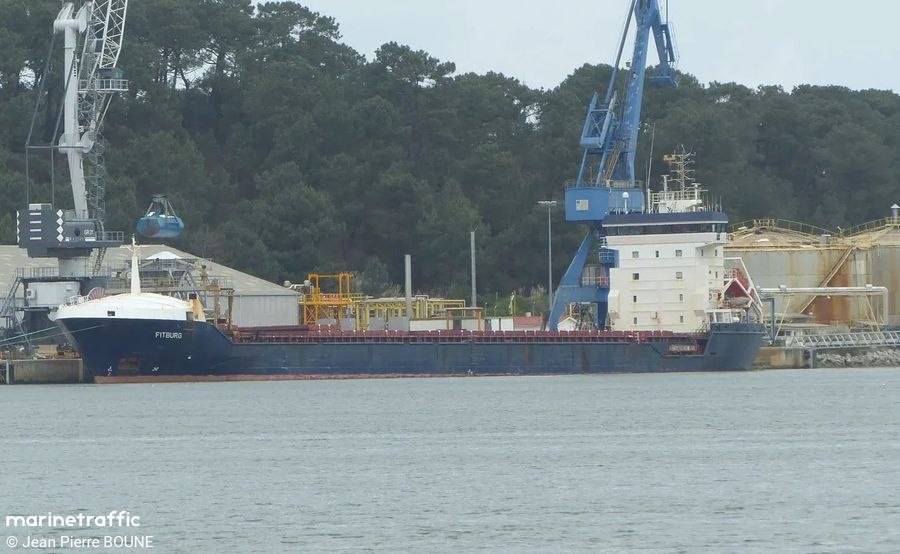
The vessel at the centre of the inquiry, Fitburg, sails under the flag of St. Vincent and the Grenadines and had been en route from Russia to Israel at the time of the incident. All 14 crew members, drawn from Russia, Georgia, Azerbaijan, and Kazakhstan, were detained by Finnish authorities.
Finnish National Police Commissioner Ilkka Koskimäki confirmed earlier in the week that Fitburg had been dragging its anchor for hours before it was located within Finland's exclusive economic zone. He noted that investigators are not speculating on whether a state-level actor was behind the damage.
Finnish Customs also identified sanctioned cargo aboard the ship, specifically structural steel originating in Russia that falls under European Union sanctions. "Import of such sanctioned goods into the EU is prohibited under EU sanctions regulations," the agency stated. "Finnish Customs continues to investigate the sequence of events and the applicability of EU sanctions legislation to this case."
The Baltic seabed carries an extensive network of cables and pipelines beneath one of Europe's busiest shipping corridors, connecting Nordic, Baltic, and central European nations. These links support both trade and energy security, and in some cases were developed to reduce dependence on Russian energy resources.
Last year, Finnish authorities filed charges against the captain and two senior officers of Eagle S, a Russia-linked oil tanker accused of damaging undersea cables between Finland and Estonia on Christmas Day in 2024. The Finnish deputy prosecutor general confirmed in an August statement that charges of aggravated criminal mischief and aggravated interference with communications were brought against the captain and the first and second officers of the vessel. Those officers, whose names were not made public, denied the allegations. In October, a Finnish court dismissed the charges on the basis that the damaged cables lay outside Finland's territorial waters.
Eagle S was registered in the Cook Islands but had been characterised by Finnish customs officials and the European Union's executive commission as part of Russia's shadow fleet of fuel tankers. These are ageing vessels with obscure ownership, acquired to evade Western sanctions during the war in Ukraine and operating without Western-regulated insurance.
The Kremlin has previously denied any involvement in damage to the region's infrastructure, which supplies power and communications to thousands of Europeans. Western governments view incidents of this kind as part of a broader pattern of alleged sabotage linked to Moscow since its full-scale invasion of Ukraine in 2022.