The Transport Accident Investigation Commission has released its final report on the grounding of a pilot vessel near Bluff in December 2024, with a clear message for mariners: match your navigation techniques to the conditions you are actually operating in.
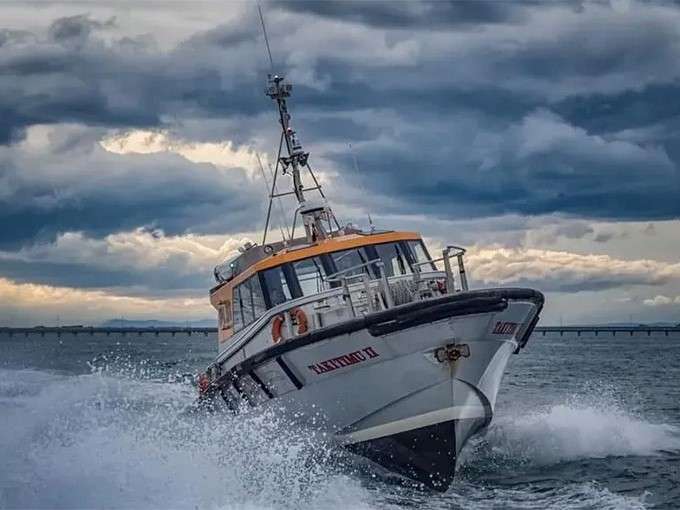
The incident occurred on 26 December 2024, when Takitimu II headed out to meet an inbound ship from South Port. On board were the vessel's master, a deckhand, and a South Port pilot who was scheduled to board the inbound vessel and bring it into port. After passing Stirling Point, Takitimu II turned too far to starboard and ran aground on rocks at a speed of about 18 to 20 knots. Two of the three people on board suffered minor injuries, and the vessel sustained moderate damage to its hull and underwater fixtures. There was no pollution. Coastguard later towed Takitimu II off the rocks and back to port.
TAIC's Chief Investigator of Accidents, Louise Cook, said the master's situational awareness was reduced by patchy fog and how they were operating the vessel.
"Speed and route choice reduced the time available to detect and correct course. The vessel's electronic navigation systems were switched on and available to confirm the vessel's position and progress, but the master wasn't referring to them."
The master had been navigating mainly by visual references. The fog did not completely obscure the buoys and beacons marking the main channel, but it did reduce the reliability of the visual cues the master usually relied on. As Cook stated, "The key point is that safe navigation means choosing techniques that fit the conditions."
The investigation also identified broader organisational shortcomings. South Port's training and familiarisation arrangements for pilot boat masters lacked a formal process to periodically verify ongoing navigation proficiency. Cook noted that the accident reflects a wider risk present across many safety-critical operations.
"When people do a job every day in routine conditions and nothing bad happens, it's easy for risky habits to become normal, but unusual conditions are where they're tested. That's why regular proficiency checks and the disciplined use of safety tools matter, even when things usually go well."
Following the grounding, South Port reviewed its systems and has already made a series of changes, among them regular navigation competency assessments, updated operating procedures and passage plans, and refresher training in electronic navigation. The Commission considers those actions sufficient to address the safety issue identified during its inquiry.
TAIC has noted that the lessons from the Takitimu II grounding are relevant to all operators of small, fast vessels in confined waters. Operating close to shore at speed in changeable visibility leaves very little margin for error. Using electronic navigation alongside visual navigation, and regularly checking proficiency, gives crews more time to recognise a problem and correct it before it becomes an accident.