From the moment the starting gun sounded to the last song on the dance floor, the PIC Harbour Classic demonstrated that a day on the Waitematā can mean far more than simply being first across the finish line.
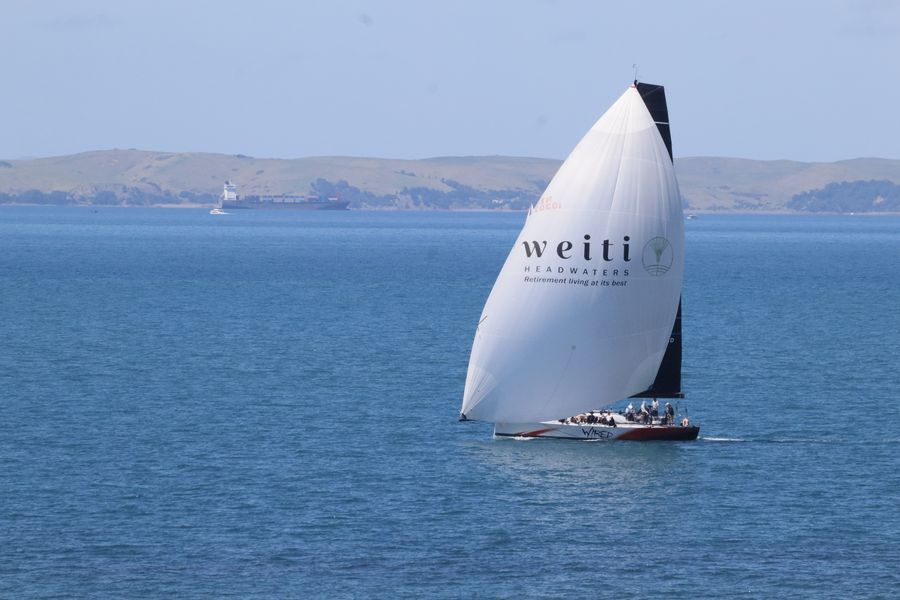
The fleet departed cleanly from North Head under a light northerly at midday, boats fanning wide across the start line while the outgoing tide quietly set the tone for the afternoon ahead. A proper breeze would have strung the fleet out and turned proceedings into a conventional chase. Instead, the gentle conditions held everyone together in a way that changed the character of the racing entirely.
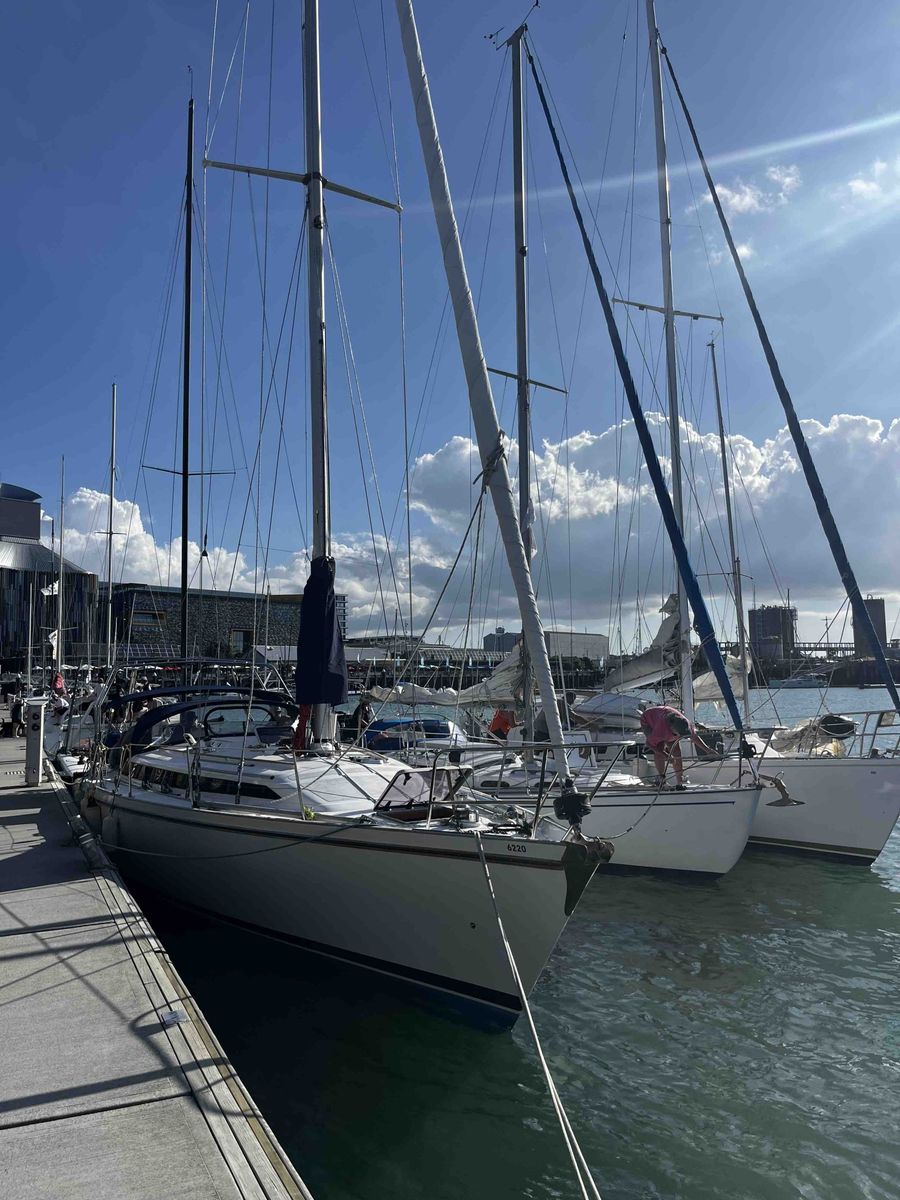
With barely enough wind to pull clear of one another, boats that would normally have disappeared over the horizon by the first mark were close enough to exchange words across the water. You could hear it as it happened: voices carrying between hulls, music floating out of cockpits, the occasional shout of encouragement or cheerful abuse. The competitive instinct never went away, but it mellowed into something that felt more like a shared afternoon on the harbour than a hard-fought race.
That quality is precisely what distinguishes this event. You are genuinely racing, yet at the same time you are woven into a far larger scene unfolding around you.
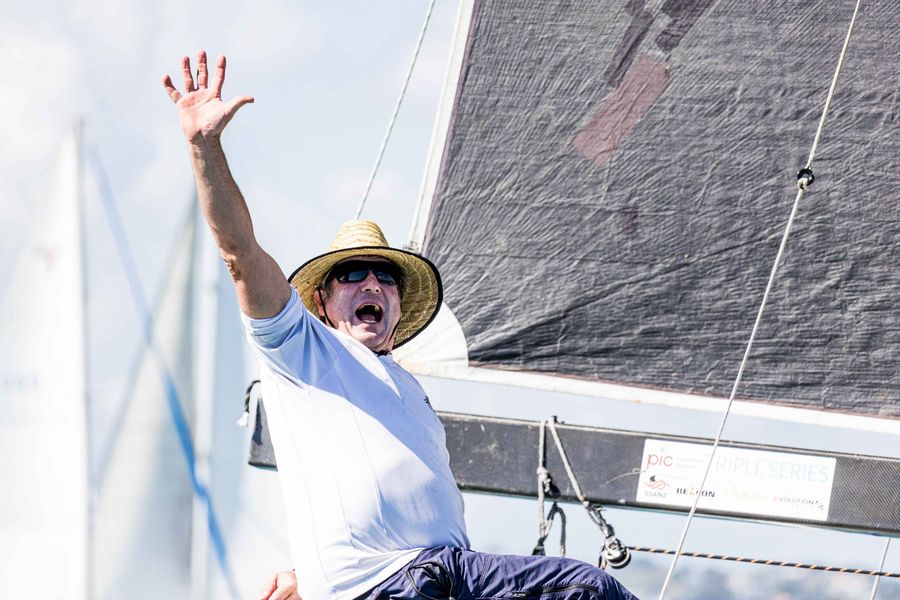
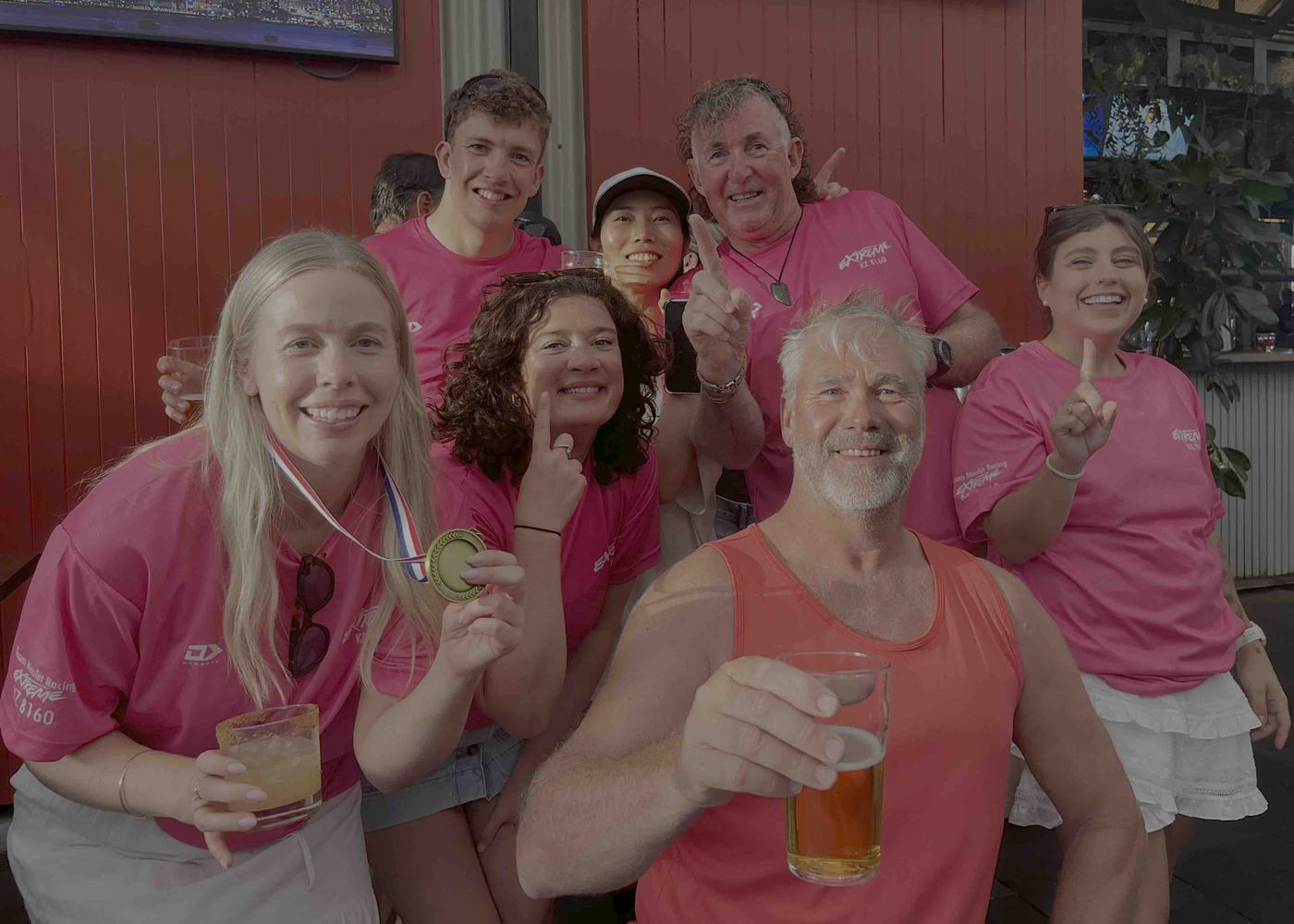
Ashore at the Wynyard Quarter, the prizegiving carried the water's energy straight onto dry land. Crews arrived still in their sailing gear, still dissecting their races, filling the venue with noise and motion. When names were called, the response from the crowd was unforced. Recognition spread across the fleet rather than pooling only at the front, and that distinction mattered. The atmosphere felt inclusive rather than purely ceremonial.
The Harbour Classic has always walked a careful line, providing enough genuine competition to give the day real meaning while never allowing the racing to crowd out the very reason people turn up in the first place.
As the prizegiving drew to a close, attention shifted quickly along the dock to where the Osprey Launch was already pulling in a crowd. It filled rapidly. Music rose, lights came on, and the vessel became a floating celebration that kept the harbour alive well into the evening. Those who did not secure a spot aboard stayed on their own boats and kept the spirit going from there. Whichever way people found themselves, the mood of the day refused to fade when the sun dropped.
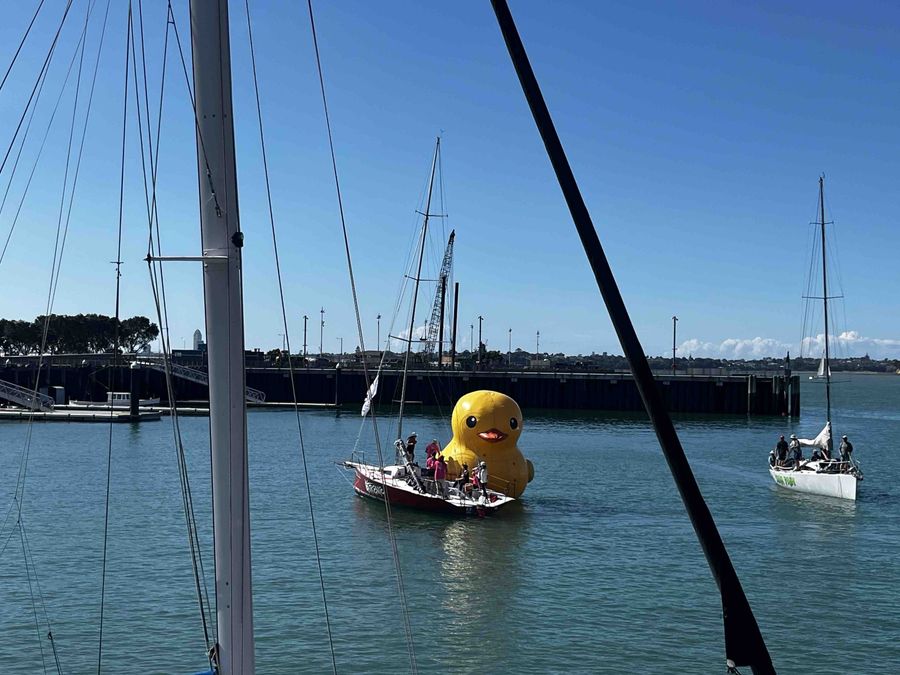
Not every standout moment demanded a trophy. A large yellow duck moored near the venue became a spectacle in its own right, with the assembled crowd invited to vote on what to call it. After some spirited debate, the name that carried the day was "Duck Norris." Slight and silly, perhaps, but it captured the event's spirit well: a piece of shared humour, a burst of noise, and a crowd entirely happy to lean into the moment.
There is open ambition to grow the Harbour Classic from here, with larger fleets and more boats on the start line the clear goal for next year. That growth will come in time.
What matters is that the things that make this event work do not get lost along the way. The combination of genuine racing and relaxed social sailing, the variety of vessels, and the sense that simply showing up is enough to be part of something real are all considerably harder to manufacture than a full start line. On the evidence of this year, the Harbour Classic has the balance right.