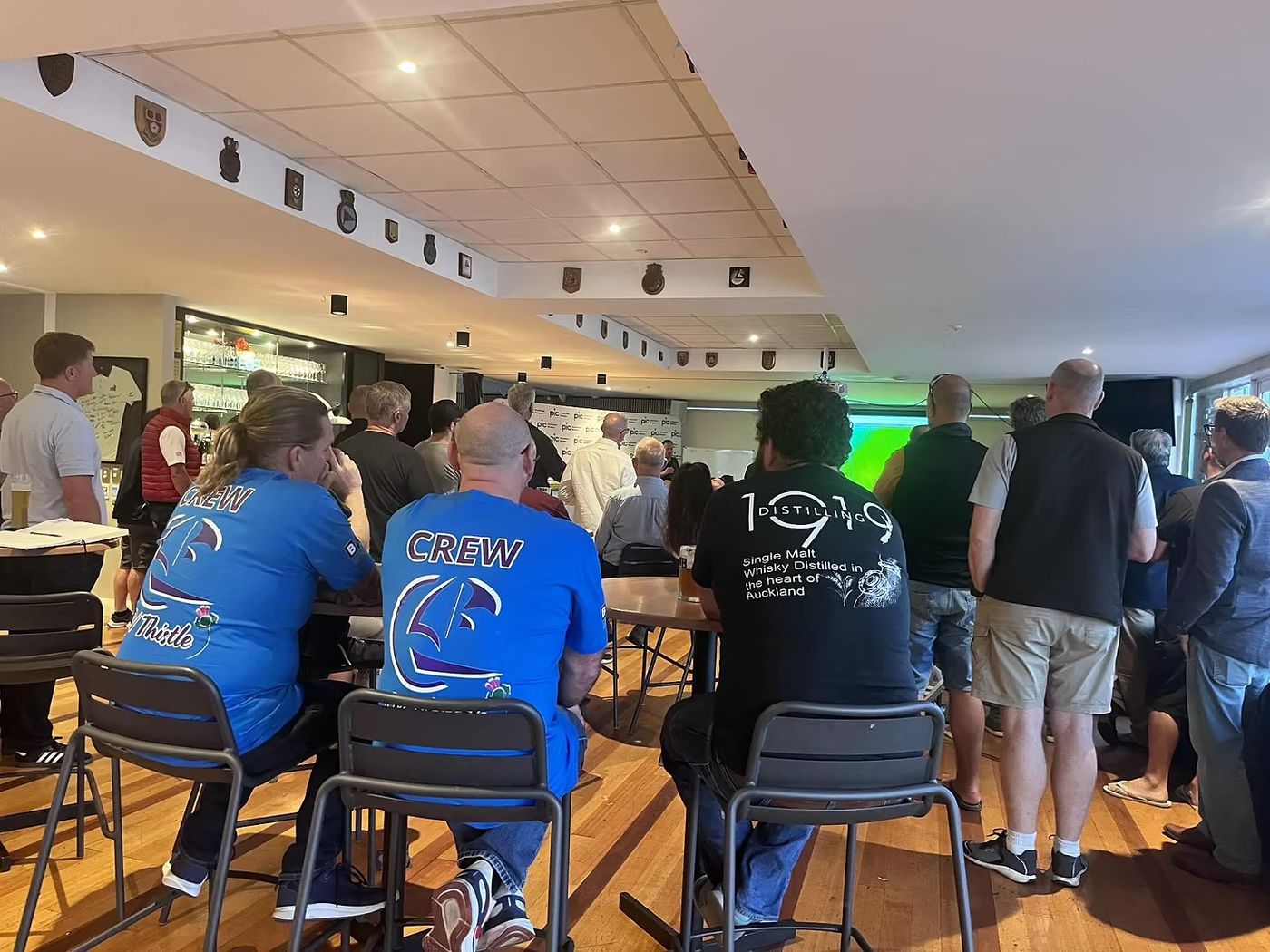
Two experts shared the stage for this session: Nick Olson, forecasting specialist and long-time routing guru from PredictWind, and Mike Sanderson, well-known New Zealand offshore sailor and CEO of Doyle Sails NZ.
PredictWind is a New Zealand-founded company whose reach now extends to some of the biggest sailing events on the planet, including The Ocean Race, Admiral's Cup, and America's Cup. Its involvement in the PIC Coastal Classic goes well beyond a sponsorship arrangement. Navigators were encouraged to use PredictWind to map the most effective route for the 119-mile sprint from the Waitematā to Russell, tapping into the same technology that informs decisions at sailing's highest level.
Olson walked sailors through the company's high-resolution one kilometre wind models and one hundred metre current layers, tools that are fundamentally changing how competitors read the coastline. Those layers reveal the fine detail that matters most on this course: acceleration zones off headlands, calm pockets tucked behind cliffs, and the tricky current seams that develop near Whangārei Heads, Bream Bay, and Tutukākā. Rather than planning around a single route line, crews can now visualise the race as a living, shifting chart.
The tactical perspective came from Sanderson, whose offshore résumé spans decades. He skippered ABN Amro One to victory in the 2005–06 Volvo Ocean Race and was awarded the ISAF World Sailor of the Year Award in recognition of that achievement. His message at the clinic was direct: don't think of the course as one race to Cape Brett, think of it as a series of distinct ladder runs. "Don't race to the Brett, race the ladder runs," he told the room. "Each sector up the coast is its own race. Plan it, route it, and then race it hard."
Central to his approach was the idea of constant re-routing from the boat's actual position rather than clinging to a plan drawn up before the start. "Routing from where you are now [on the course] is everything," he said. "Conditions, tide and the models all evolve. Keep updating." He described the race as a test of balancing speed with patience, particularly once the front clears and the breeze settles into a south-westerly flow. His guiding principle for that phase: stay low and fast into a lift rather than going high and slow.
Sanderson called the stretch from Cape Brett to Russell “the part that wins or loses you the race.”
The final stretch from Cape Brett to Russell drew particular attention. PredictWind's current overlays show how outgoing flow from Ōpua can oppose the breeze, creating chop and drag that slow boats dramatically. Light patches often linger inside Oke Bay and Deep Water Cove, while gusts curl off the cliffs and headlands. Sanderson's advice was to anticipate the right-hand shift near Tapeka Point and use it to surf home, with Red Head and Whale Rock serving as the traditional marks for lining up the final approach.
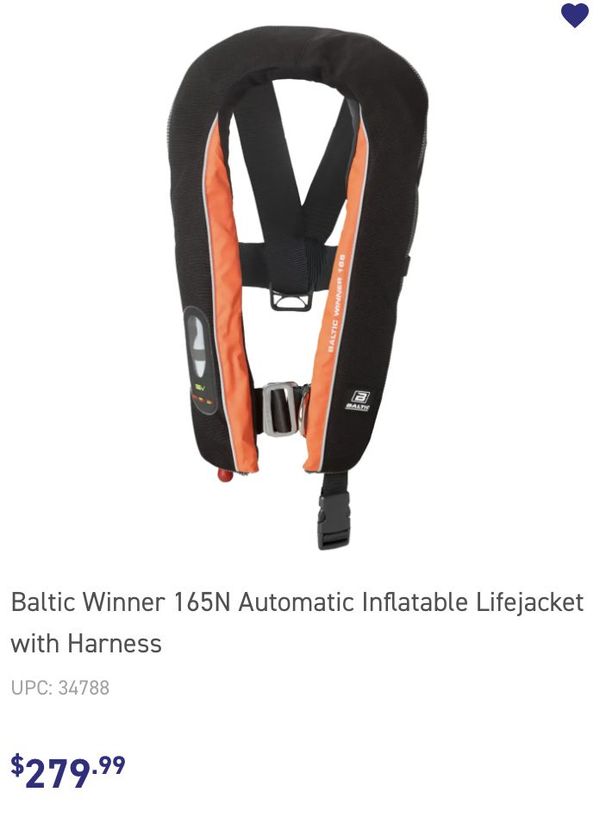
Safety formed a clear part of the discussion as well. Crews were reminded to wear lifejackets whenever wind exceeds 15 knots or during any period of darkness, and to maintain scheduled VHF calls at Flat Rock, Sail Rock, Cape Brett, and Russell, confirming each transmission with the Coastguard. Good practice is for crews to carry extra lifejackets. Any crew short of lifejackets, or without the strobelights that race rules require, can stop into Burnscos at Westhaven to sort out what they need before heading north.
In the event of an emergency, “The people who reach you first are the ones beside you,” NZMYS Commodore Adrian Percival noted. “Not a rescue centre an hour away.”