Three sailors. Three very different stories. One region making its presence felt.
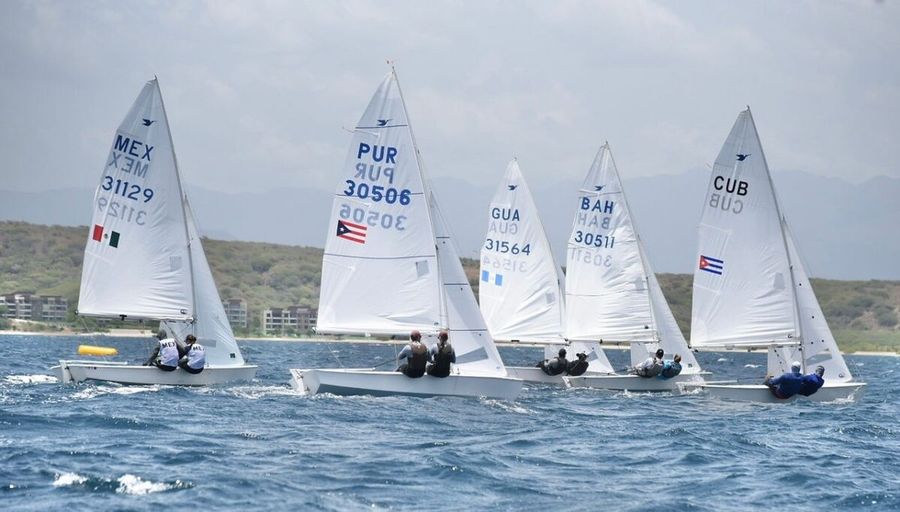
The Central American and Caribbean Games at Punta Salinas brought together 24 countries, 83 boats and 10 events. From that competition emerged a cluster of performances that say something real about where the region is heading. Belize, St. Vincent and the Grenadines, Mexico — none of them traditional powerhouses, all of them now with something to show for it.
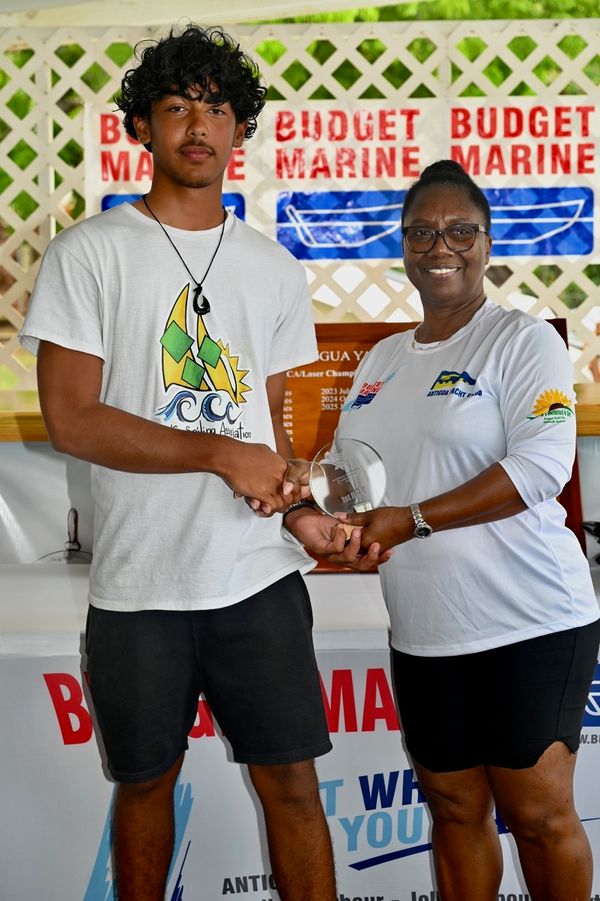
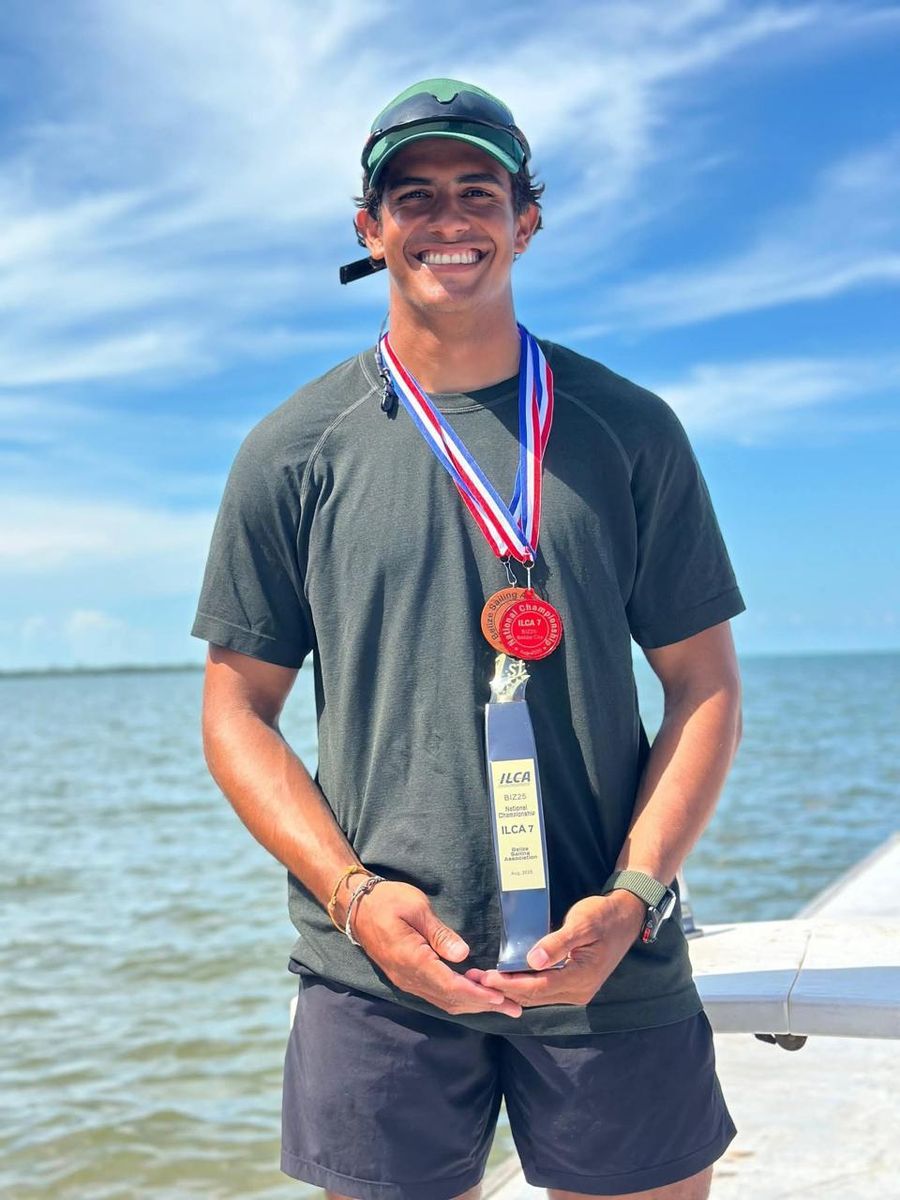
Hardwick's bronze in the ILCA 7 was Belize's first medal in the discipline at a major international regatta. Straightforward enough on paper, but the context matters.
He's no newcomer. Trent Hardwick has represented his country at three World Sailing Youth Championships, the Pan American Games, and the 2023 Worlds in The Hague. What sets him apart from most competitors, though, is that he's doing all of this while completing a PhD in Biomedical Engineering. Full-time doctoral research alongside the training load and international travel required at elite level isn't a combination many athletes would attempt, let alone sustain.
His trajectory makes a point worth hearing for young athletes in smaller nations: academic excellence and world-class sport don't have to cancel each other out.
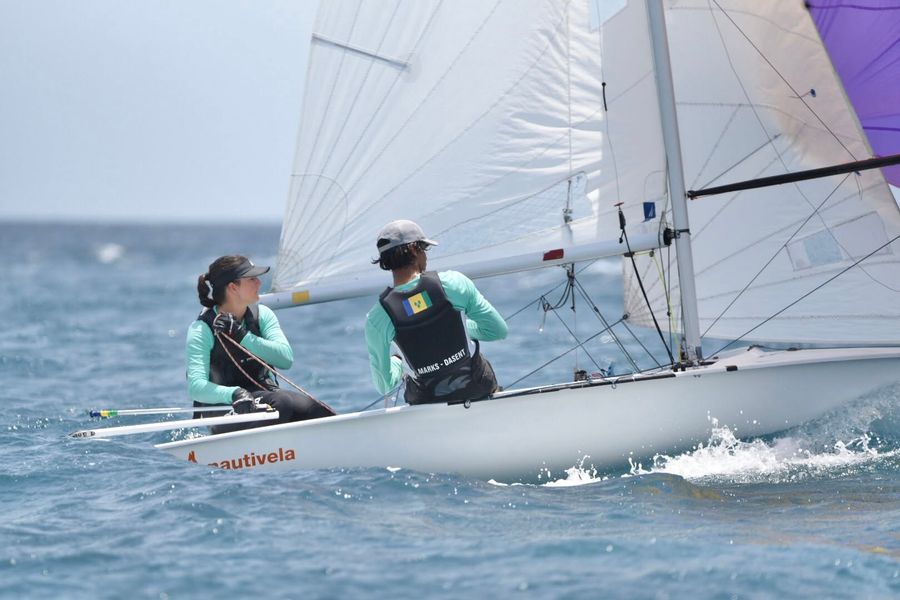
South of there, in St. Vincent and the Grenadines, Kai Marks-Dasent has built something harder to quantify than a medal. Transitioning from the ILCA 6 toward the Olympic-class ILCA 7, he's shaped his campaign around the communities that produced him. After Hurricane Beryl, he completed a 42-mile fundraising sail from St. Vincent to Union Island, raising money for his local sailing club and covering national CSEC examination fees for students displaced by the storm. A 70-mile offshore passage to Grenada followed, aimed at establishing youth sailing scholarships.
With the ILCA 6 Youth World Championships in Denmark on the horizon, his Olympic campaign is building, and it's carrying a lot of people with it.
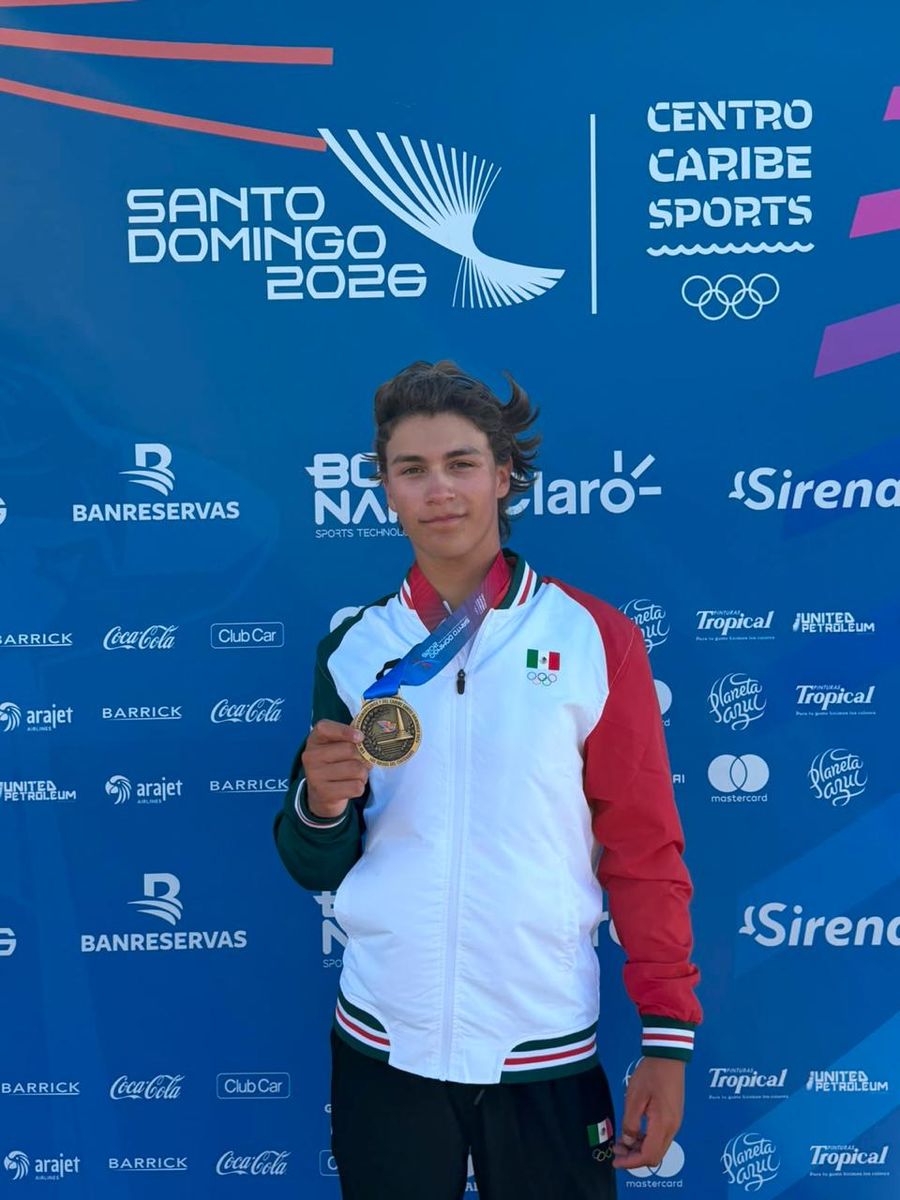
The youngest of the three is Mexico's Alvaro Ramirez Jassa, 16, who arrived at the Games having already won the 2026 ILCA 6 Mexican National Championship. Working with Cuban coach Paty Álvarez, he made a deliberate shift into the technical i420 double-handed class as a step toward an Olympic pathway. It paid off immediately — gold, sailed with a composure that didn't match his age.
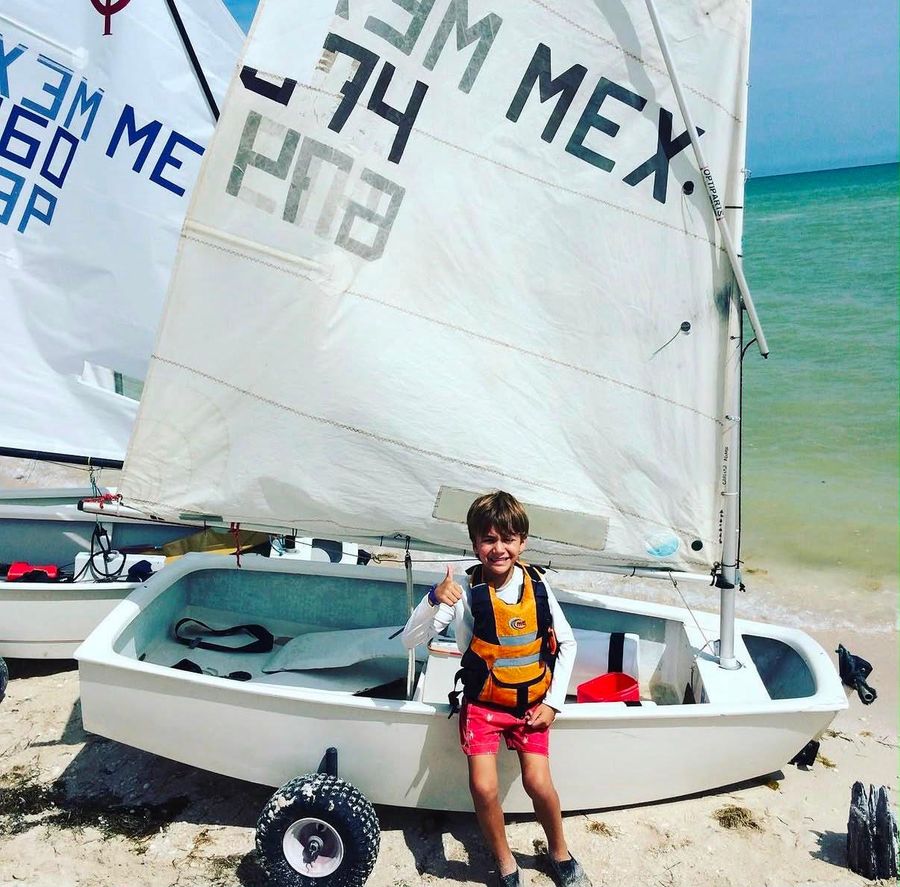
He's been on the water since he was six, moving through Optimist, ILCA, Sunfish and Hobie platforms. That breadth shows.
World Sailing's Senior and Youth Emerging Nations Programmes and Technical Courses for Coaches form part of the structural scaffolding behind performances like these, designed to close the gap between regional promise and global results. The sailors themselves are the ones closing it, though. The gap, it turns out, is not as wide as it looked.