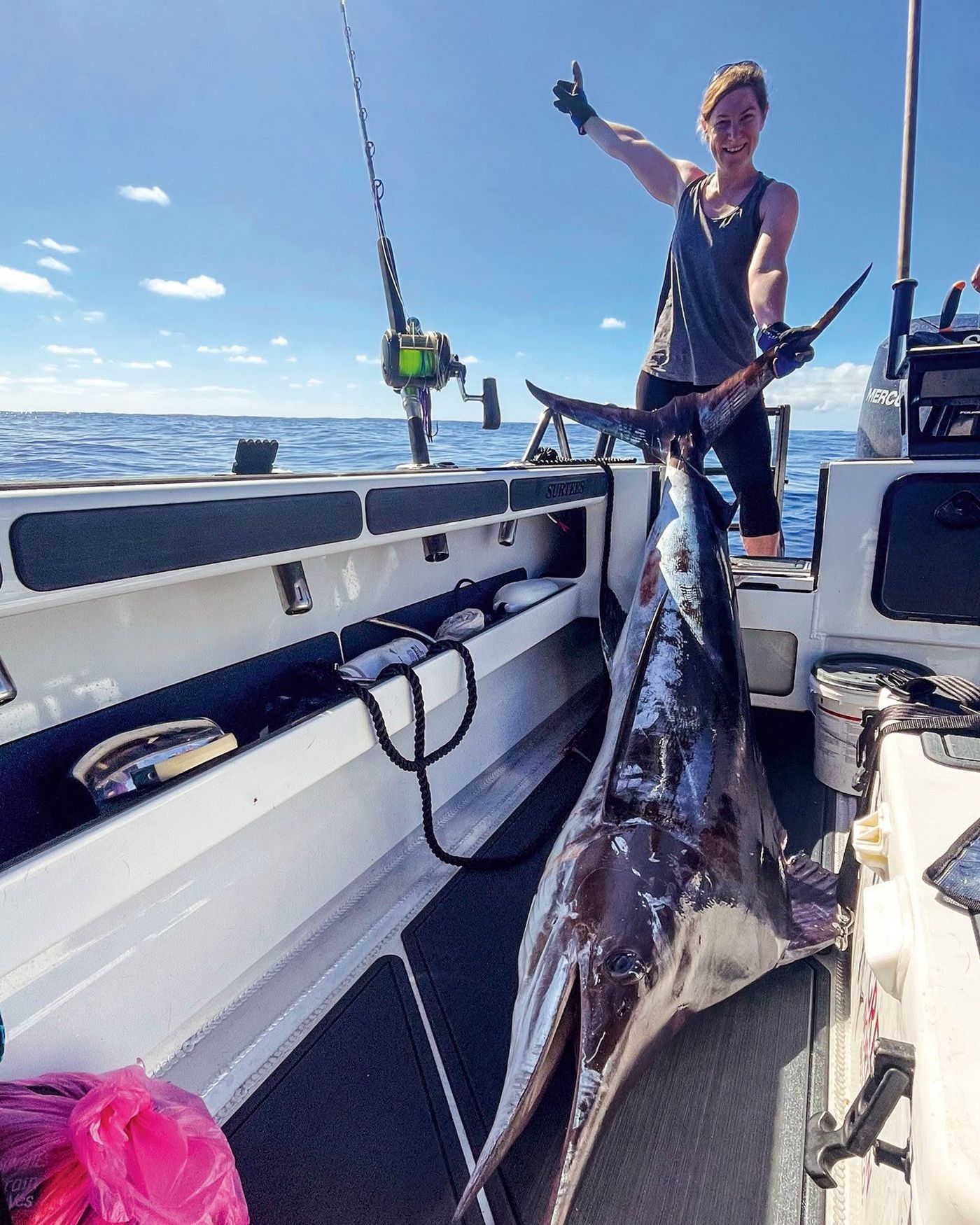
A fresh development has emerged from the One Ocean Protest movement, with direct consequences for anyone who fishes or spends time on New Zealand's waters. The Government has opened a brief public-submission period covering proposals that would permit the commercial sale of marlin and strip long-standing protections from a range of vulnerable reef fish species. Submissions close on 28 November, leaving New Zealanders only a matter of days to have their say.
The announcement follows a Sunday meeting between the Minister and representatives from the recreational and public sector. Attendees came away describing the discussion as constructive, and it reinforced the considerable public interest generated by Saturday's One Ocean Protest, which drew hundreds of boats, trailers, utes, and fishers to the Auckland waterfront. That turnout clearly left an impression and appears to have played a role in bringing these issues back into sharp focus.
At the heart of the debate are two proposals drawn from a broader Fisheries New Zealand review spanning 19 regulation changes. The first would allow commercial fishers to retain and sell marlin that are dead on capture. Under current rules, marlin are a non-commercial species and must be returned to the water whether alive or dead. That principle has underpinned game-fishing culture in New Zealand for decades and remains a point of pride for clubs and anglers throughout the country.
The second proposal concerns 19 reef species currently protected from commercial exploitation. Under the change, these fish could be landed commercially as by-catch taken by trawl, Danish seine, and bottom-longline operations. The list includes red moki, red pigfish, and boarfish, all of which have been shielded from commercial fishing because of their vulnerability to depletion and their importance to recreational fishers and coastal communities. Many are slow-growing and site-attached, with ecological roles on local reefs that make recovery, once numbers fall, a slow and uncertain process.
The One Ocean Protest group and LegaSea operate independently, yet both organisations are firmly opposed to these two proposals. LegaSea has developed an online submission tool designed to make the process as straightforward as possible, saying it takes under three minutes to complete. The tool sets out the key concerns in plain language and includes space for personal comment, focusing on the two most urgent proposals. Those wishing to address the full package of 19 regulation changes can do so through a separate Fisheries New Zealand form.
https://legasea.co.nz/marlin-submissions-nov-2025
Early signs point to strong interest from the recreational fishing community. Protest organisers have told supporters that the next three days are critical, urging them to share the submission link through comments rather than direct posts to avoid the reach penalties that social media platforms apply to outbound links. There has also been a suggestion that the Minister's willingness to engage on Sunday reflected the scale and seriousness of the community response.
Marlin carry enormous significance as both a tourism drawcard and a cultural symbol central to New Zealand's sportfishing identity. A rule change permitting the commercial sale of dead marlin, even those taken incidentally, could reshape that identity in ways that would be difficult to undo.
With only days remaining, recreational fishers, boaties, and coastal residents have a narrow window in which to make their views known. The submission tool is available through LegaSea, with additional resources on the Ministry's consultation page.