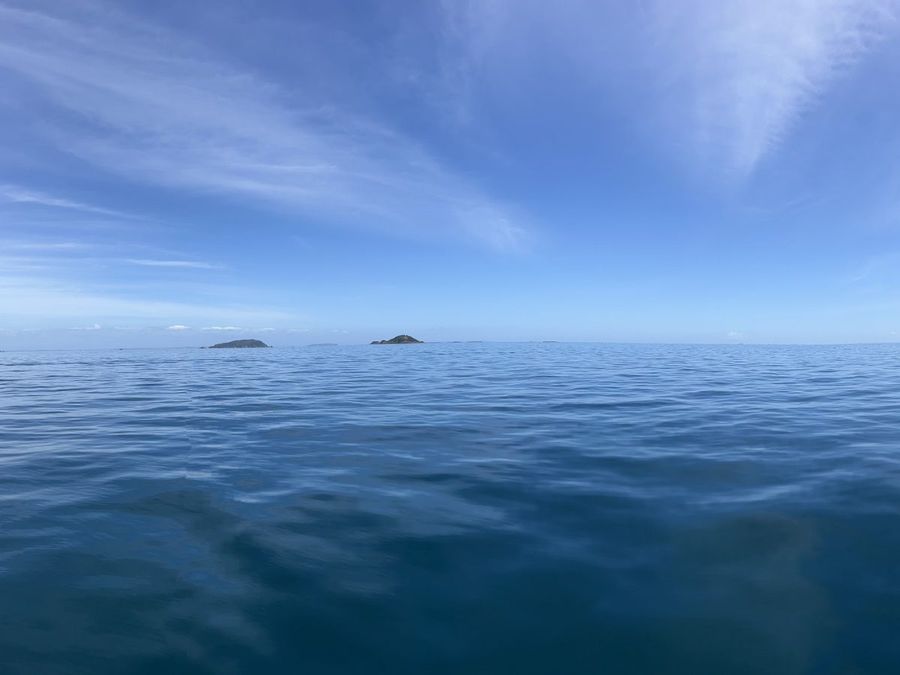
Something significant is happening in the Hauraki Gulf this week. For the first time, the One Ocean Protest will take place on Saturday, drawing together recreational fishers, boaties, divers, paddlers and small-scale commercial fishers around a single shared message: the rules need to be fair, and the Gulf deserves better protection.
Those who want to take part, watch from the shore, or simply stay informed can find the details on the One Ocean Protest Facebook page.
[embed]
The protest has grown out of deepening frustration over bottom contact fishing methods, proposed exemptions in new Gulf legislation, and the long-term decline of local fish stocks. The push is no longer confined to one corner of the coastal community. It is coming from the wider coastal community as a whole.
LegaSea has been clear about where it stands. The organisation is not anti-commercial. What it opposes is destruction, overfishing, mass harvest, and a system structured to advantage quota owners over the people who actually fish. LegaSea has been reinforcing those distinctions consistently in recent days.
[embed]
The economics facing most inshore commercial fishers illustrate the problem. The majority lease quota at prices that leave them with slim or no profit, paying before they even leave the dock. Fuel, wages and compliance costs keep rising. The risk sits almost entirely with the people on the water, while corporate quota holders collect stable income from the background. LegaSea argues this imbalance harms both the fishery and the people working within it.
Bycatch and discards have become another flashpoint this year, particularly around the Gulf. The issue, as LegaSea frames it, is not one of careless skippers. It is the unavoidable result of mass harvest methods, trawling, seining and dredging among them, which cannot select what they catch. Juveniles, non-target species and vulnerable species all come up in the same sweep. Under the quota management system, landing bycatch costs money, so discarding it becomes the rational choice. The problem is not individual behaviour. It is a system that was never designed to prevent this outcome.
Saturday's protest carries real weight because of what it signals. The organisers have kept their aims straightforward: stop the exemptions, stop the loopholes, and treat recreational and commercial fishers fairly. For the people attending, this is not about political activism. It is about the Gulf they care about and a genuine commitment to seeing its recovery become real.
Ollie Craig from Primal Pursuit captured the underlying sentiment plainly. The real divide is not between recreational and commercial fishers. It is a system that has encouraged conflict between those groups while eroding trust and degrading the fishery. Most small-scale commercial operators want the same outcome recreational fishers want: more fish, healthy ecosystems, clear rules, and a future that does not depend on loopholes.
LegaSea is pressing ahead with its Rescue Fish framework as the vehicle for that recovery. The framework would bring an end to destructive fishing methods, prioritise local access to seafood, and enable quota to be repurchased from corporate holders. The public conversation around the Gulf has been building for some time, and the mood is shifting from concern to action. Saturday's protest is one clear expression of that shift.