Sam Goodchild and Élodie Bonafous are expected to cross the Arctic Circle tonight, yet neither can say with any precision where that crossing will take place. Far from reflecting poor preparation, this uncertainty sits at the heart of the strategic puzzle that has occupied the Vendée Arctique fleet for days.
The 2026 edition departs from conventions familiar to Vendée Globe followers. Rather than navigating toward fixed waypoints, skippers must select their own polar crossing point before turning south toward Les Sables-d'Olonne. The concept sounds simple enough. The reality has proven anything but.
Race meteorologist Christian Dumard put the dilemma plainly. "The best point to reach the Arctic Circle isn't necessarily the best point to start your descent," he explained. Everything turns on what the weather does afterwards. A skipper who pushes east to shave time off the northward leg may find the return route choked with headwinds, gaining ground in the first half only to surrender that advantage when the race is drawing closer to its conclusion.
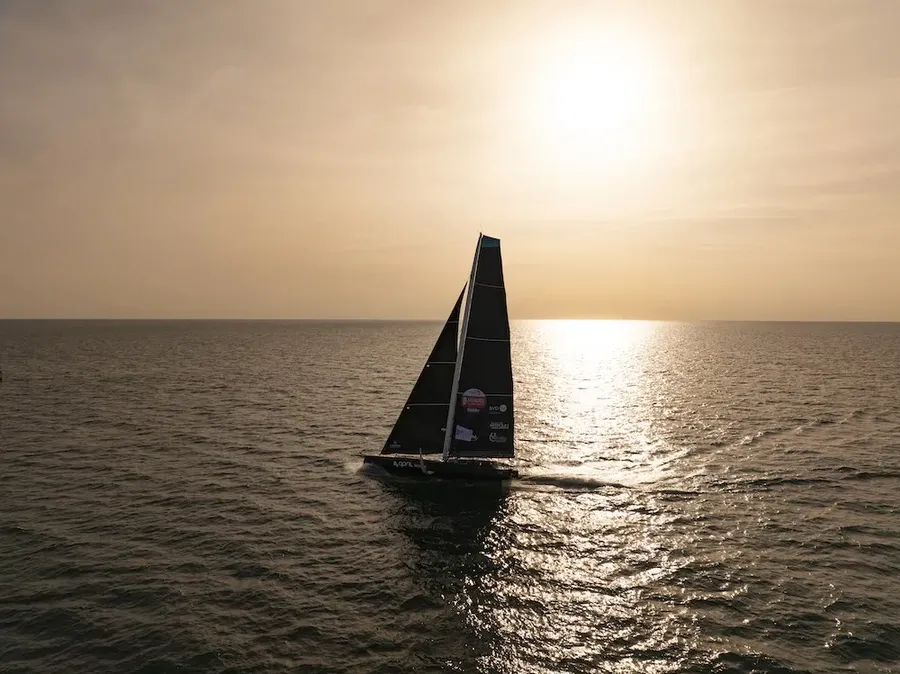
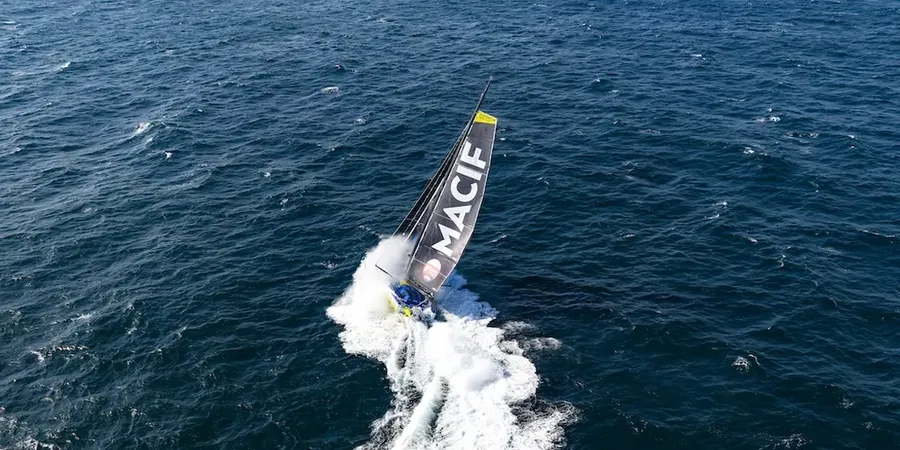
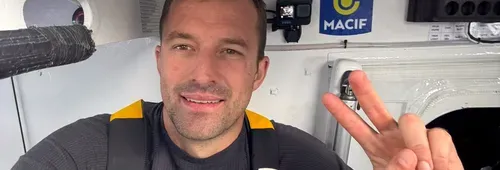
Goodchild, at the helm of Macif Santé Prévoyance, has been candid about his thinking. "I'm trying to keep as many options open as possible," he said. Rather than committing early, he has treated every kilometre further north as a question still worth leaving unanswered. Conditions that look settled at dawn can shift entirely by early afternoon, and a depression sitting still at first light may have drifted west by midday. His rivals understand this dynamic just as well, which means a deliberate withdrawal from the northernmost position could prove either a masterstroke or a costly misjudgement.
Bonafous, leading aboard her Association Petits Princes yacht, struck a similar note this morning. "I don't know yet exactly where I'll cross. West of Iceland is no longer an option given where we've committed ourselves. I've decided to keep a biodiversity protection zone on my port side, and now I'll adapt to whatever small weather systems and depressions come through. I still have time, so I'm keeping good room to manoeuvre."
That final phrase distils the philosophy running through the leading boats. The previous day, Arnaud Boissières, racing aboard April Marine, laid out the competing pressures. "It's important to think about what you do after you turn around. What we're trying to avoid is coming back down with headwinds. It's less pleasant and slower. But sometimes deliberately getting headwinds up front can be interesting because it slows down the fleet leaders."
For the boats chasing Goodchild and Bonafous, the calculation is harder still. Pushing aggressively north risks burning speed on an approach that leaves them trapped on a punishing route home. Holding back feels like the conservative play, but may simply lock in a slower path to the finish while rivals steadily narrow whatever options remain.
Dumard confirmed that no skipper is likely to commit before they are absolutely forced to. "They'll adjust their course through the day. The choice will probably be made at the last moment depending on how conditions evolve."
All of this unfolds against an already demanding race environment. Sail trim, boat management, and the relentless physical toll of offshore racing each place heavy demands on a skipper's attention. Layered across all of that sits a strategic problem with no clean solution, one that no instrument or pre-race routing can resolve, and that ultimately comes down to a single human judgement made in real time, deep in the waters north of the Arctic Circle.