Three Northland marae have secured resource consents to establish small-scale marine gardens, combining customary practice with contemporary aquaculture techniques along the region's coastline.
Northland Regional Council granted the consents on 1 October 2025, each running for 35 years. The successful applicants, NgātiWai Ki Whangaruru Whenua Topu Trust, Kaingahoa Marae and Otetao Reti Marae, applied collectively, each seeking permission to develop māra moana, a term meaning "ocean gardens." Every project is limited to one hectare of marine space and is intended solely for non-commercial, marae-based aquaculture activity.
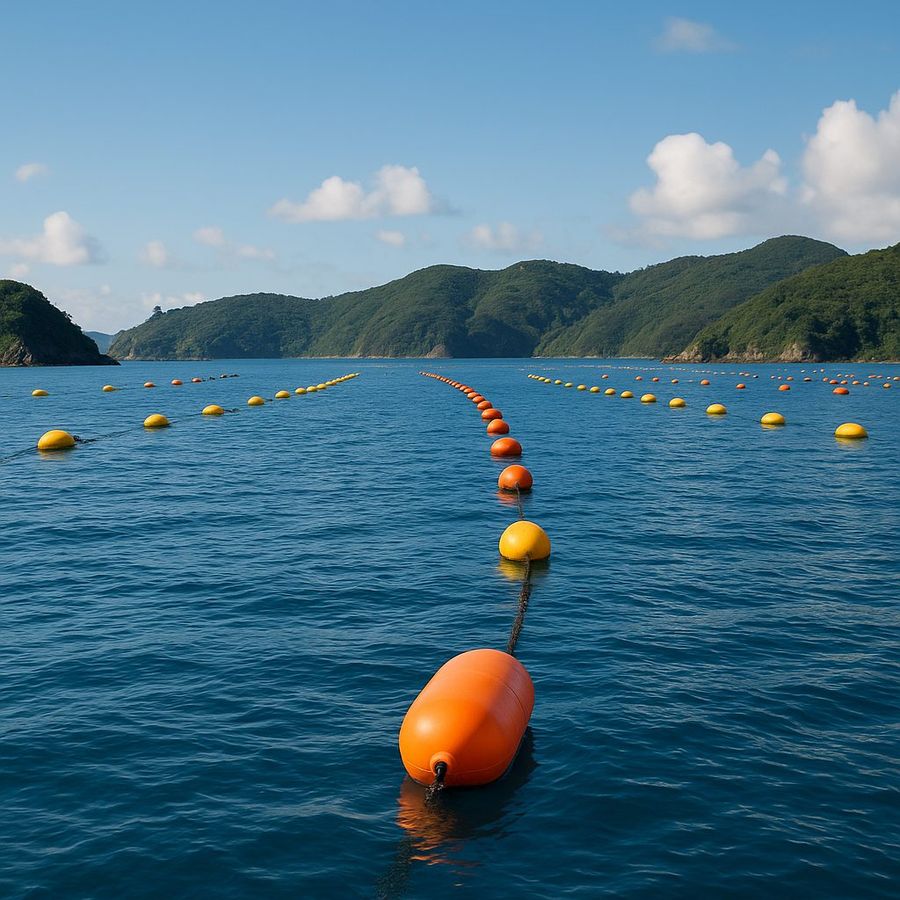
The structures approved for each site closely resemble conventional mussel farming backbones, anchored by concrete moorings. The longlines provide the framework onto which cultivation ropes and associated equipment can be attached, enabling research into growing customary species including mussels, seaweed, gastropods, and crustaceans.
The three sites are spread along the Northland coastline. Kaingahoa Marae, affiliated with Patukeha, will develop its māra moana at Whapukapirau Bay in the outer Bay of Islands. NgātiWai Ki Whangaruru Whenua Topu Trust has been allocated a site at Bland Bay, while Otetao Reti Marae will work at Kauri Point within Whangaruru Harbour. Each marae intends to build up its ocean garden progressively, with the twin goals of strengthening customary kaimoana supply and developing practical techniques for replenishing local fish and seafood populations.
The council acknowledged that all three sites fall within mapped ecological and aquaculture exclusion areas, but noted that its rules expressly accommodate marae-based aquaculture and concluded that environmental effects would be no more than minor. Several design and operational features supported that finding. The structures are open and subsurface, allowing natural currents to flow unimpeded. Stocking densities will be kept low to limit nutrient and waste impacts, and routine inspections will be carried out to guard against any risk to marine mammals. Each project is also required to have a Biosecurity Risk Management Plan in place to reduce the likelihood of marine pest introduction or spread.
The council confirmed that the three māra moana would have no adverse effect on taiāpure, mātaitai or Māori non-commercial fisheries. MPI conducted its own assessment of potential impacts on commercial, recreational and customary fishing and did not move to alter any of the approved conditions.
Cultural and environmental management considerations formed a significant part of the consent process. Plans prepared by Ngātiwai Trust Board, Te Rūnanga o Ngāti Hine and Ngāti Kuta were all taken into account, and the council concluded that the projects were not contrary to the objectives or policies set out in those documents.
The three approved māra moana draw on traditional knowledge alongside modern aquaculture methods, supporting whānau needs and contributing to the longer-term health of Northland's marine environment.