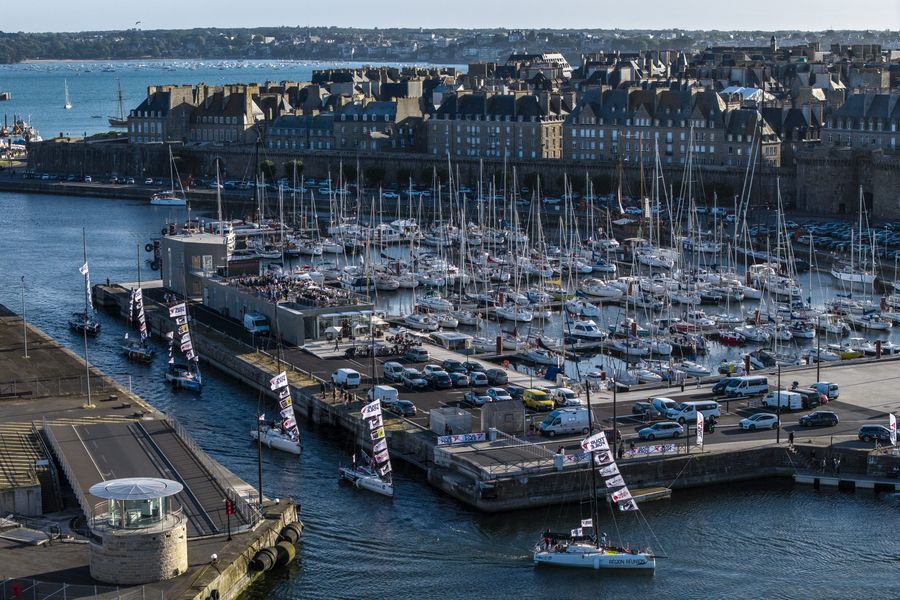
Sam Marsh stepped onto the start line in Cherbourg as the sole New Zealander in the Tour de France à la Voile fleet, a moment he has been building toward all season. When Go Boating NZ first spoke to him back in May, this crewed Figaro circuit event was already circled on his calendar. Every race, every offshore mile since then has pointed toward this fortnight.
The route traces down France's Atlantic coastline through five host cities, from Cherbourg in the north to Lorient at the finish, with Saint-Malo the first offshore destination along the way. The fleet spends three days at each city competing in inshore racing before an overnight passage of roughly 24 hours moves everyone on to the next stop. Thirty starts are packed into under two weeks, with the longest offshore leg saved for the end and the whole event concluding around 12 July.
Marsh rang from France at 4am, the temperature still sitting at 22 degrees after a day that had peaked at 36. He was in his car on the way to Cherbourg to meet the team and finalise the race plan. "It's intense, it's quick, and it's kind of relentless," he said. "Thirty starts. That's a lot within less than two weeks. It's an incredible amount of racing."
A different kind of campaign
This programme is a different beast from his Défi Paprec campaign in May, when he and German co-skipper Jens Meier shared the double-handed Chipmunk across 650 miles of North Atlantic racing. Here, he co-skippers with Joss Creswell, a Cornish sailor who serves as CEO of the Royal Ocean Racing Club's Gryphon Project, an initiative designed to open pathways for international sailors into the Figaro circuit. The pair have already shared time on the water together this season, finishing 12th at the Spi Ouest-France Digilab.
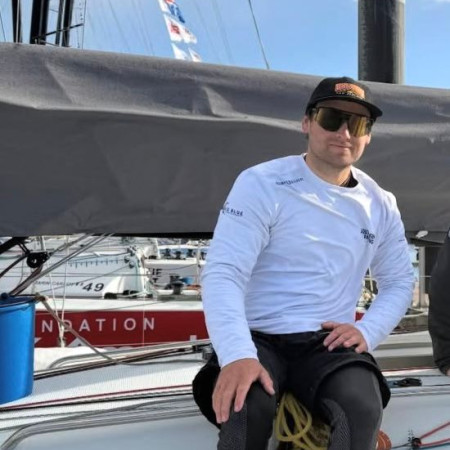
The broader crew of seven is drawn from the Gryphon Project and RORC membership, rotating through the team across the two weeks of competition. Two female sailors are part of the group.
Mandatory composition rules require at least two sailors aged under 26 and at least one woman on board. At 28, Marsh no longer qualifies under the age requirement himself, but Creswell and the rotating crew satisfy those requirements between them.
"For Joss and me, it's more of an opportunity to open up opportunities for people to come and be involved in this racing," Marsh said. "For people to find out what it's all about."
His match racing background in New Zealand gives him a particular advantage on the inshore legs, and he and Creswell are considering dividing responsibilities, with one handling the inshore series and the other leading the offshore passages. That arrangement had not been finalised when he called. "The right attack plan is super important," he said.
New Zealand's history in the race
New Zealand does have a history with the Tour de France à la Voile, though the last chapter was written 25 years ago. In 1999, Russell Coutts skippered Sun Microsystems Team New Zealand and won the opening two legs in Scheveningen before the campaign faded in the overall standings. Two years later, in 2001, Hamish Pepper claimed individual inshore stage wins, though the team finished 5th overall. No New Zealand team has appeared since.
That long absence has been on Marsh's mind throughout the season. "I'm trying to change that," he said earlier this season. "What I'm working on is potentially a project where Kiwis can come over here and still be involved and sail for New Zealand. Maybe next year and then hopefully have a full Kiwi team on the start line for the Tour de France à la Voile."
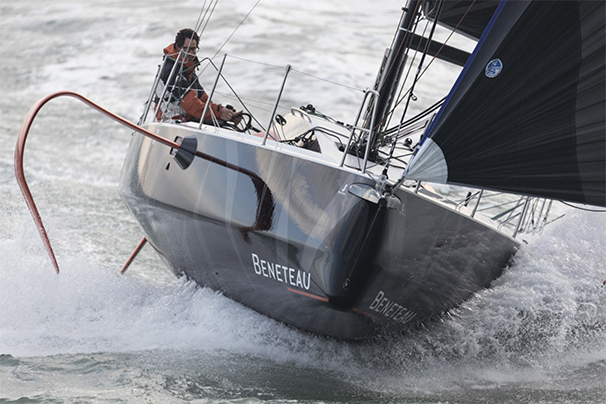
The race itself has changed shape considerably over the decades, moving through a Mumm 30 era, a period racing trimarans, and a lengthy hiatus before returning in the Figaro Beneteau 3. Marsh believes this is around the third or fourth year back in that format. The fleet is growing, but international entries remain uncommon. "The fleet here still lacks a few internationals," he said. "That's what we're trying to do, get more people involved in it."
The season so far
Marsh arrives carrying genuine momentum. His Défi Paprec result in May put him firmly on the map in the Figaro world: second overall aboard Chipmunk at the end of a 650-mile race that threw 44-knot conditions and a North Atlantic depression at the fleet, with a match race finish just 18 seconds clear of third place. It was only his third Figaro race as an international.
The path to that result stretches back to the Wellington waterfront when he was 10, watching Mike Sanderson bring the Volvo Ocean Race into the harbour. He came through the Royal Port Nicholson Yacht Club youth scheme, served a sailmaking apprenticeship at Doyle Sails, and graduated from the RNZYS Mastercard Youth Training Programme in 2021. When COVID brought the New Zealand sailing scene to a standstill, he moved to Europe and found a role at Team Malizia as a technician, working on the build of Malizia 3, close to the sport's highest level but watching from the dock as the boats departed.
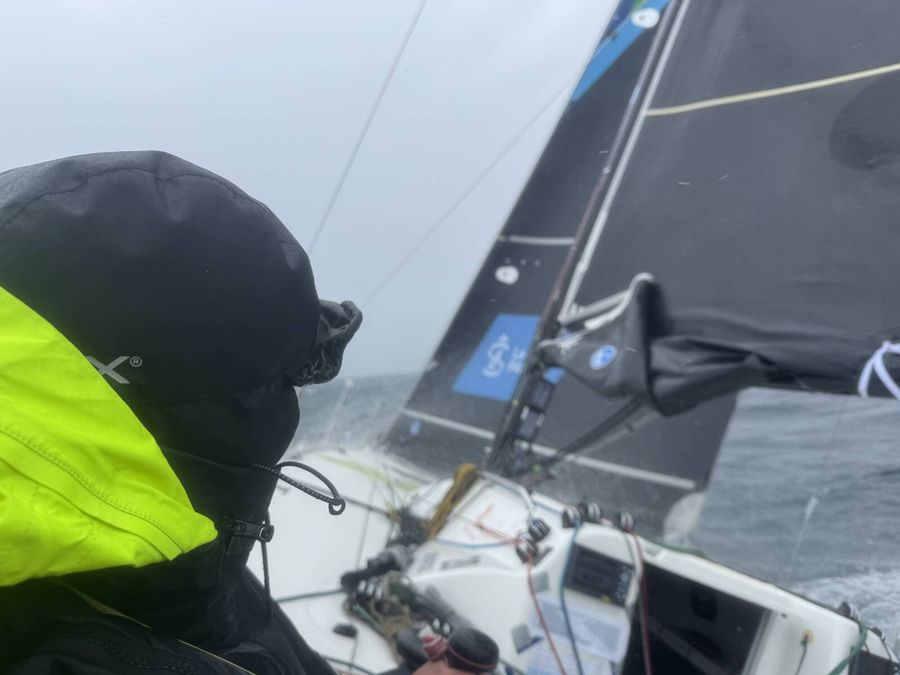
"Pushing the boat off every time didn't really sit right with me as a sailor," he said. "So I thought, how can I get there? How can I be on board?"
From Malizia, the route led through sailmaking for the French America's Cup team in Barcelona, then an Admiral's Cup campaign in the UK with Team Jolt, before he found his way onto the Figaro circuit. Around 80 percent of Ocean Race sailors have come through Figaro racing at some point, and Marsh has a clear sense of where that pipeline leads.
What comes next
The Tour de France à la Voile is not the end of his season. After Lorient, he is entered in the Figamore, and beyond that La Ventura, a two-leg race running from France to Lisbon and back.
He will be sending updates throughout the two weeks of racing.