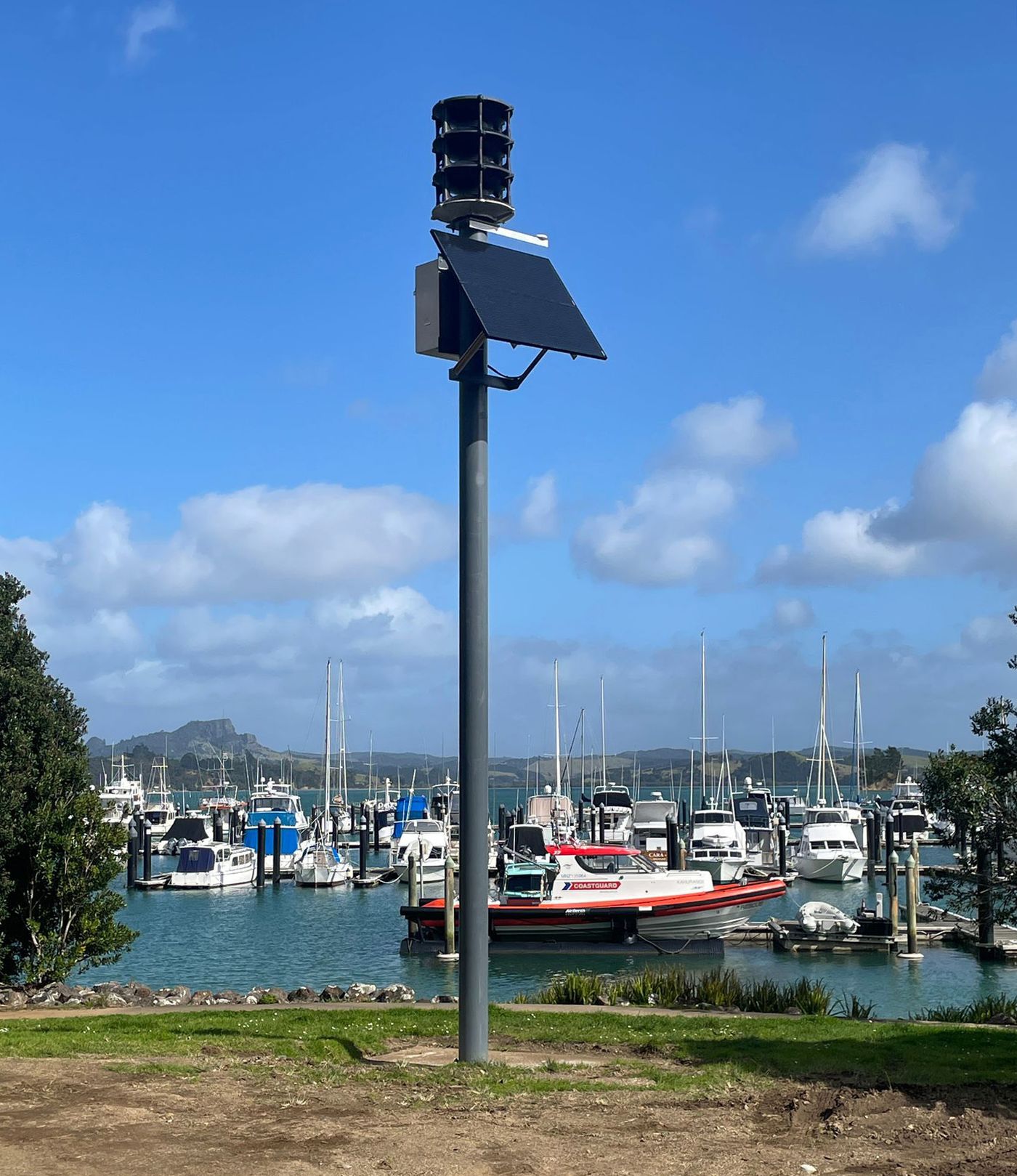
Northland's network of more than 90 outdoor tsunami sirens will be tested at 10am on Sunday, 27 September, marking the start of daylight saving with the region's six-monthly readiness check.
The sirens, located in coastal communities across Northland, Taitokerau, will sound for up to two minutes during the test, emitting the familiar siren tone followed by a voice message: "Test only, test only. This is a test of the Northland tsunami siren network; no action is required."
Northland Civil Defence Emergency Management Group Chair Colin (Toss) Kitchen said regular testing ensures the system can respond effectively if needed and raises awareness of the region's tsunami risk.
"It helps us confirm the sirens are working properly, that people can actually hear them, and that everyone becomes more familiar with what they sound like and what to do when they activate," Kitchen said.
The indoor siren network will not be activated during this test, though residents with indoor sirens are encouraged to manually check their devices.
Kitchen urged Northlanders to recognise natural tsunami warning signs, particularly in coastal areas where local-source tsunamis may arrive before any official alert.
"If you feel a strong earthquake that's hard to stand in, one that lasts longer than a minute, or notice unusual sea behaviour, such as a sudden rise or fall or strange noises, don't wait for an official warning, move inland or to higher ground immediately."
Residents can provide feedback on siren audibility and clarity via forms on the Northland Regional Council website and the Civil Defence Northland Facebook page.
The outdoor siren network is funded and owned by the region's four councils: Far North District, Whangarei District, Kaipara District, and Northland Regional Council.