Northland Regional Council's maritime team is urging budget-conscious buyers to think carefully before committing to an aging vessel, warning that what looks like a bargain can quickly become a financial burden.
Deputy Harbourmaster Peter Thomas says the council disposes of roughly one boat per month across the Northland region, and a significant number of those vessels were once snapped up cheaply as restoration projects before proving too much for their new owners to handle.
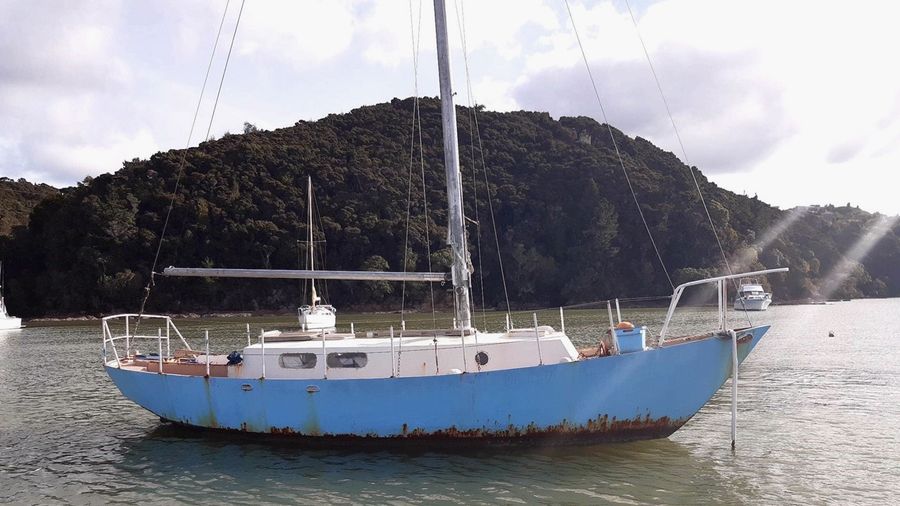
"Many vessels built between the 1960s and 1980s are coming to the end of their life and are sold at ever-reducing prices as owners seek to limit their liability and offload what can be a costly and time-consuming problem for unwary purchasers," Thomas says.
Buyers working with limited funds frequently have no real grasp of how much work is required to bring an older boat up to a seaworthy standard. "A lot of money can be spent getting one of these vessels into good condition, but even then you still have an old vessel that requires a lot of maintenance."
The problem reaches well beyond the individuals who end up out of pocket. Northland Regional Council carries an annual budget of $95,000 to manage debris disposal across the region's waterways, covering hazards such as logs and other flotsam. Thomas says the single biggest drain on that budget is the removal of abandoned and derelict vessels left to rot in mooring fields and tidal waterways.
The boats involved range from seven or eight metres up to former commercial craft exceeding 20 metres in length. Removal, clean-up and disposal costs vary by size and construction, with hulls typically ending up at a scrap metal dealer or landfill. Occasionally a vessel still in reasonable condition will be listed on Trade Me to help offset expenses.
Where an owner can be identified, or a vessel remains insured, the council pursues cost recovery. "The owner is fully liable for costs the council may incur in dealing with their vessel," Thomas says, and those costs can be considerable.
Thomas places the problem in a global context. Many countries are contending with the same situation as a generation of ageing recreational and commercial vessels filters down through the second-hand market at ever-lower prices, drawing in buyers who may not fully appreciate what they are taking on.
His advice to anyone considering a cheap classic is to commission a professional inspection before committing, and to talk to people with real experience of owning and maintaining older boats. "Make sure you get a good understanding of the many costs associated with purchasing a vessel, especially one that is old and requires a lot of work."