For many offshore sailors in New Zealand, the Three Kings Offshore Yacht Race stands as a genuine benchmark. The course runs from a Waitematā Harbour start, carries the fleet north past Cape Reinga, pushes out to the Three Kings Islands, and then turns everything around for the run home. The 2026 edition starts on 16 April, now just days away, and for one crew in the mix, it represents the opening move in a campaign that stretches a long way beyond these waters.
The SAIL IQ Racing Team will be sailing Ākonga, and for them the Three Kings is simply race one of five, a carefully sequenced build towards the 2026 Sydney to Hobart. The boat's name carries meaning that runs through the whole campaign. Ākonga translates as student or learner, and skipper Nick Roberts believes that is precisely what sailing demands of anyone who takes it seriously. The sea teaches you about the sport, and in doing so it teaches you something about life.
Roberts is Australian by origin but has long since made New Zealand home, and his offshore record reflects years of competitive sailing in these waters. A previous conversation with Boating New Zealand found him racing two handed in the Round the North Island Race, where he first crossed paths with Andrew Hall, who was competing in Division 3 aboard Indis at the time. Hall now sits at the navigation table on Ākonga.
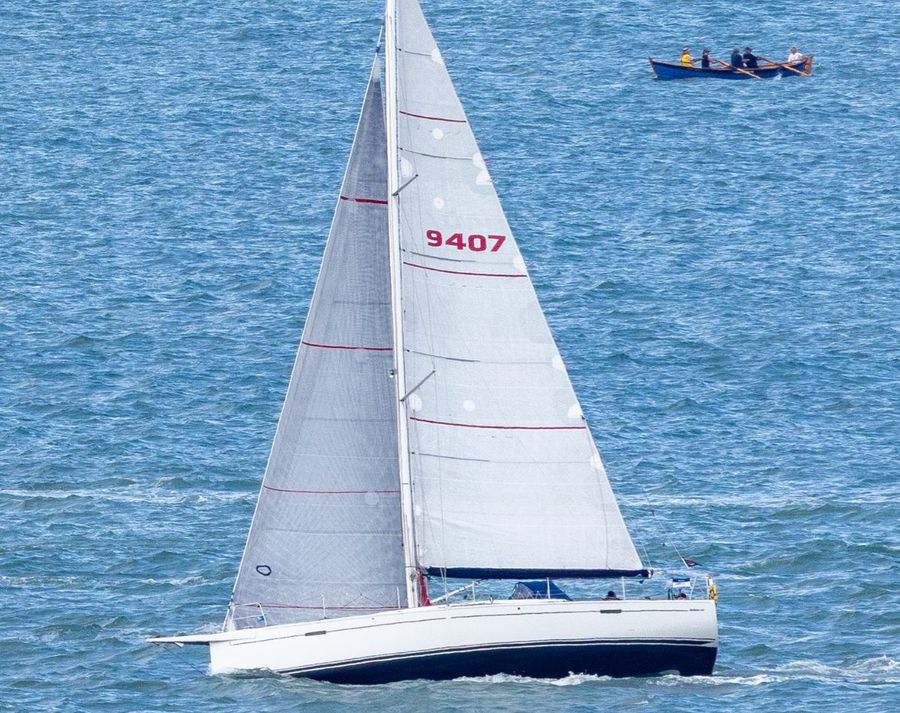
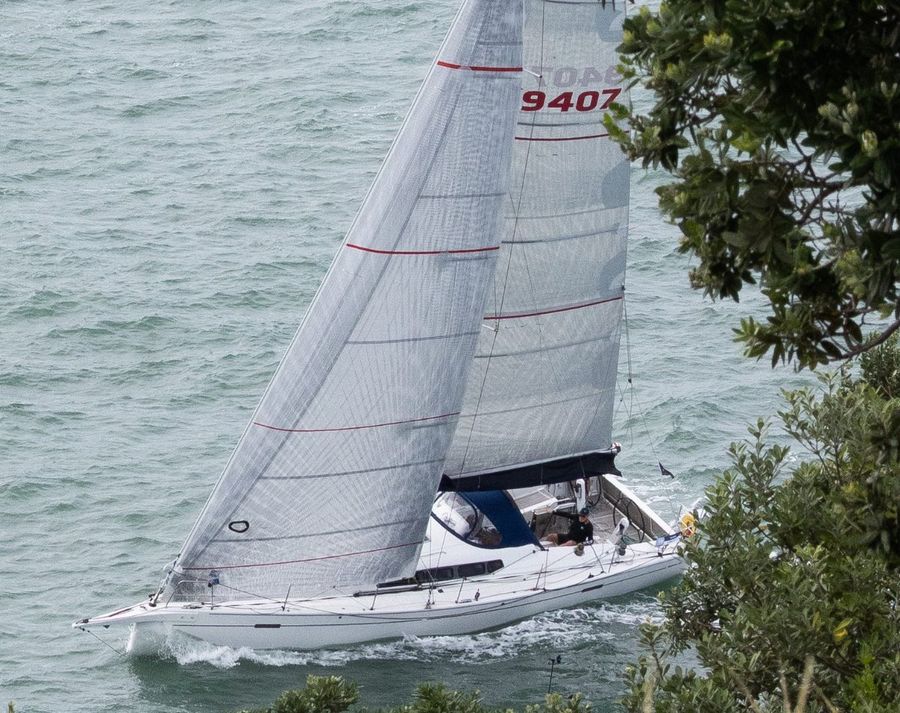
The boat itself is a Dehler 41, drawn by Judel Vrolijk, and falls squarely into the proven cruiser racer category. She measures around 12.5 metres overall, carries moderate beam, a deep T keel, and comes in at just under nine tonnes of displacement. Her construction used vacuum infusion, producing a hull that is stiff and predictable under load. She does not produce flashy bursts of speed that get attention in short races, but she rewards sustained pressure, consistent sail trim, and a crew that keeps its head when conditions deteriorate. For a programme designed around five races leading to Hobart, those qualities matter.
Roberts bought Ākonga in 2020 with a clear objective already forming. Local racing was part of the picture, but the underlying ambition was always a return to Hobart, not as a single appearance but as the target of a properly constructed campaign aboard a boat capable of absorbing whatever the Southern Ocean decided to offer. Come December, he will start his tenth Sydney to Hobart. Ākonga is how he intends to get there.
There is real evidence behind that confidence. At the 2024 Three Kings Offshore Yacht Race, Roberts drove Ākonga two handed and came away with both line honours and the handicap win in the Short Handed division. The result showed clearly what the boat can deliver when the crew refuses to let the pressure come off.
Hall adds his own considerable depth to the programme. He has already seen the finish at Hobart, navigating Rumbucket, a Moore 55 skippered by Quentin Fowler, to 30th overall in 2025, a race that eliminated plenty of capable boats along the way. His connection with Roberts goes back well before this campaign began. The two first met on the beach at a Mahurangi wooden boat regatta, when Roberts needed a mainsail built inside three months ahead of a 2022 Fiji passage. That single job grew into a working relationship, and eventually into a competition. At the 2024 Three Kings race, the two were on opposite sides of the start line. Roberts was aboard Ākonga, while Hall was racing on Favourite, an Elliott 1350 skippered by Andrew Aitkin. The two boats tracked each other for much of the race, rounded the Three Kings Islands in company, and swapped the lead back and forth before Ākonga finally opened a gap near Cape Brett.
This time around they are on the same boat. Hall owns SailIQ, an Albany-based sailmaking company, and has designed every sail on Ākonga. If a sail is not performing as it should, he is not waiting for someone else to diagnose the problem.
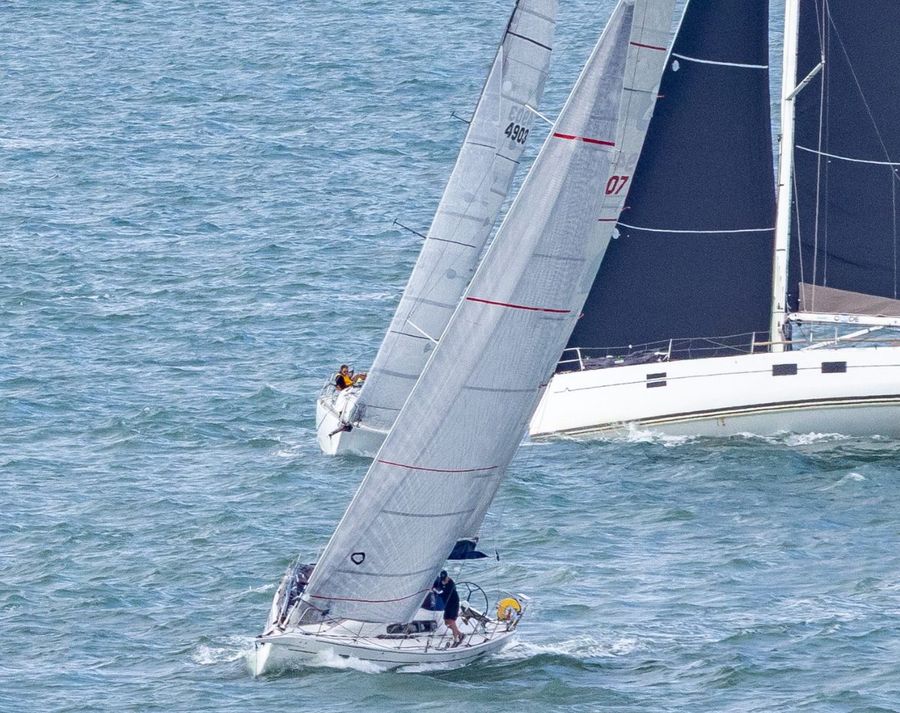
The crew list around them mixes familiarity with fresh blood. Max Livingston has spent considerable time sailing two handed with Roberts and knows the boat's habits as well as anyone. Ryan Mills brings something different entirely. He is 25 years old, this is his first deep ocean campaign, and the team has committed to taking him through all five races in the programme, all the way to Hobart.
After the Three Kings, the schedule shifts into two handed racing with SSANZ, with the Hobart crew rotating through to keep time on the water. October brings the PIC Coastal Classic, a 119 nautical mile passage from Auckland to Russell that can turn into a flat-out sprint when the wind cooperates. It is a shorter, faster event than what has come before, and it punishes small errors quickly.
Then Ākonga leaves New Zealand waters. The plan is to clear out from Ōpua and make passage to Sydney, where two lead-in races provide the final edge of preparation. The Cabbage Tree Island Race, approximately 170 nautical miles, is considered the last meaningful offshore test before the main event. The Bird Island Race follows at around 80 nautical miles, a tighter, quicker check that brings the boat to race trim just before the start.
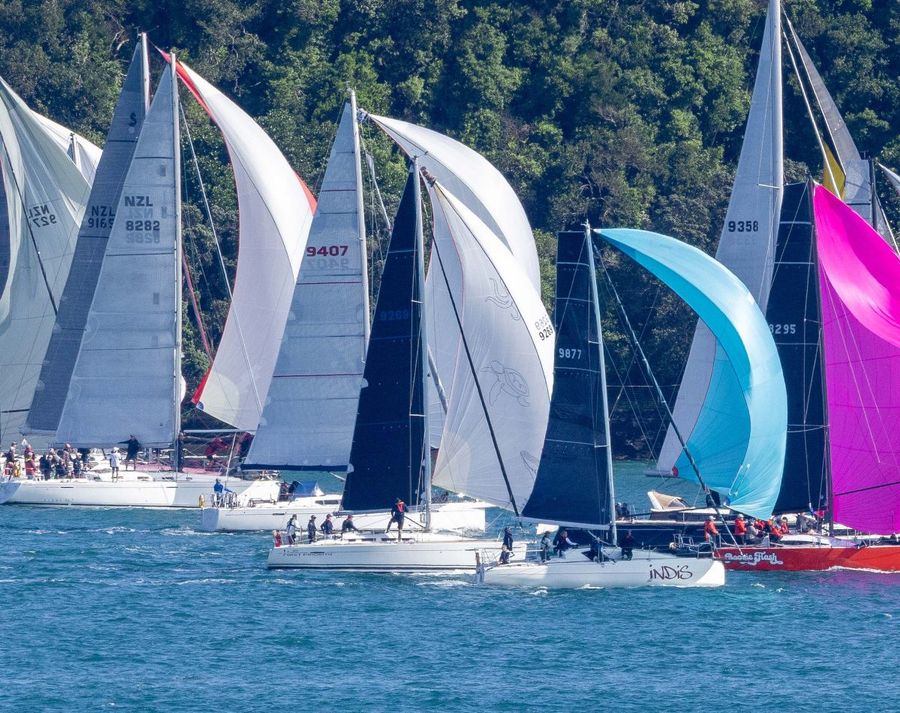
The structure of the programme is intentional. The longer, more exposed races front-load the schedule, and the events grow shorter and more intense as December approaches.
Roberts has been clear-eyed about Ākonga's place within the Sydney to Hobart fleet. She is well placed to compete seriously within the cruiser racer division, and a win in that class is the target. She is strong, dry, and has shown what she can do offshore, the kind of boat that stays in the fight when the weather breaks badly. The team's priorities are seamanship, safety, keeping the boat in the race, and finding enjoyment in the whole thing together. Anything beyond that is a bonus.
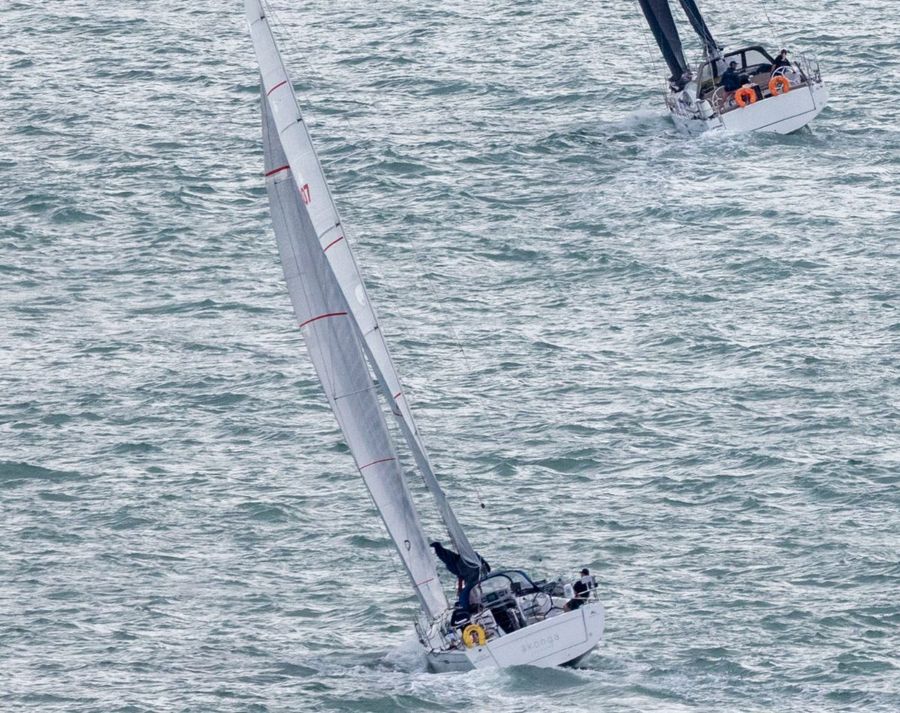
Everything starts to reveal itself at the Three Kings. How the crew finds its rhythm once the coast falls away, which sails earn trust in those conditions, how the watch system actually works when people are tired. Whatever is learned on this race travels forward into the next one, and the ones after that.
Boating New Zealand will be following Ākonga and the SAIL IQ Racing Team from this first start through the full programme to Sydney and on to Hobart. It all begins on 16 April.