A new national rule takes effect today, and it changes something paddlers do every time they launch.
From 9 October 2026, everyone aboard a recreational craft six metres or less must wear a properly fitted lifejacket while underway. That covers kayaks, paddleboards, dinghies, small sailing boats and motorboats, and it applies nationwide, with no exceptions for region or waterway.
For the canoe racing and wider paddling community, the timing matters. Summer paddling season is just around the corner, and clubs around the country will need to make sure members understand what has changed before they're back on the water in numbers.
The old rules were patchier. Lifejackets generally had to be carried on board, but wearing them was only compulsory in situations of heightened risk, and local rules varied from place to place. That inconsistency is gone now.
Under the new national standard, anyone on a craft six metres or under must wear an appropriately sized lifejacket while the craft is underway, on lakes, rivers, harbours and coastal waters alike. Police, regional councils, harbourmasters and Maritime NZ staff can all enforce it.
Maritime NZ reports an average of 17 deaths a year in recreational craft incidents, with around two-thirds of those not wearing a properly fitted lifejacket at the time.
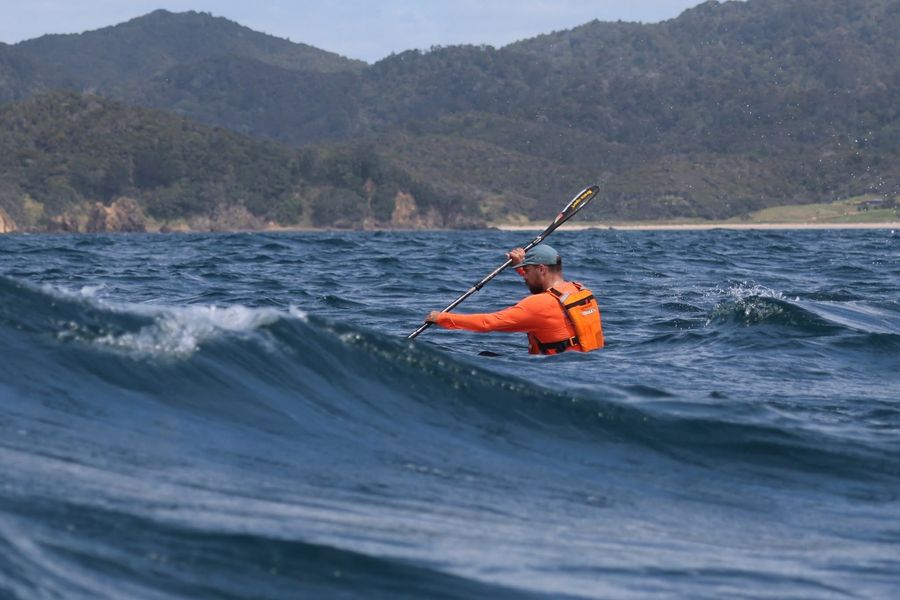
For many paddlers, this won't feel like a huge shift, since wearing a lifejacket is already standard practice for much of the community. But for kayakers and paddlers used to going without one on calmer days, the message now is simple: it's compulsory, regardless of age, ability, craft type or waterway.
The lifejacket itself needs to meet an approved standard, be in serviceable condition, and fit the wearer properly. Worth checking before the first big paddle of the season, not after.
Larger craft, those over six metres, aren't under quite the same rule. Lifejackets must still be carried for everyone on board, but wearing one only becomes compulsory in times of heightened risk, stormy weather or rough conditions being the obvious examples. It remains the skipper's responsibility to ensure the safety of the people and vessel.
Maritime NZ is keen to stress that a lifejacket is one part of staying safe, not the whole picture. Paddlers heading out are still advised to carry two waterproof ways to call for help, check the marine weather forecast before departing, ensure lifejackets are in good condition and suitable for the activity, and assess conditions and paddler ability before committing to a paddle.
None of that advice is new. What has changed is that wearing a lifejacket is no longer optional on the smaller craft that make up most of what paddlers in this country use.
Full details on exemptions and frequently asked questions are available through Maritime NZ's lifejacket rule guidance.