There's more than one way to get out on the Hauraki Gulf these days, and increasingly, Kiwis aren't buying a boat to do it.
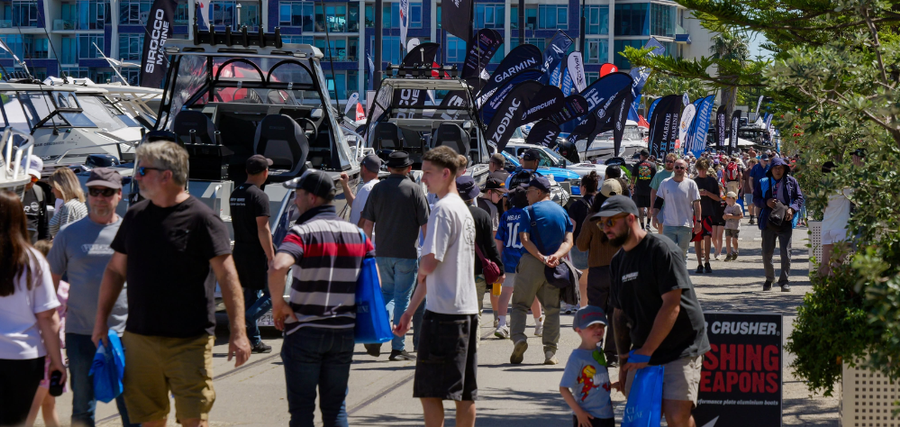
The 26th Auckland Boat Show, running 1 to 4 April 2027, will put a spotlight on pathways into boating, with shared boating emerging as one of the most popular routes onto the water. Rather than the traditional all-in purchase, more people are subscribing, syndicating or chartering their way into recreational boating.
Shared boating is now an established part of New Zealand's recreational marine industry, offering new ways onto the water without the full financial and practical commitment of ownership.
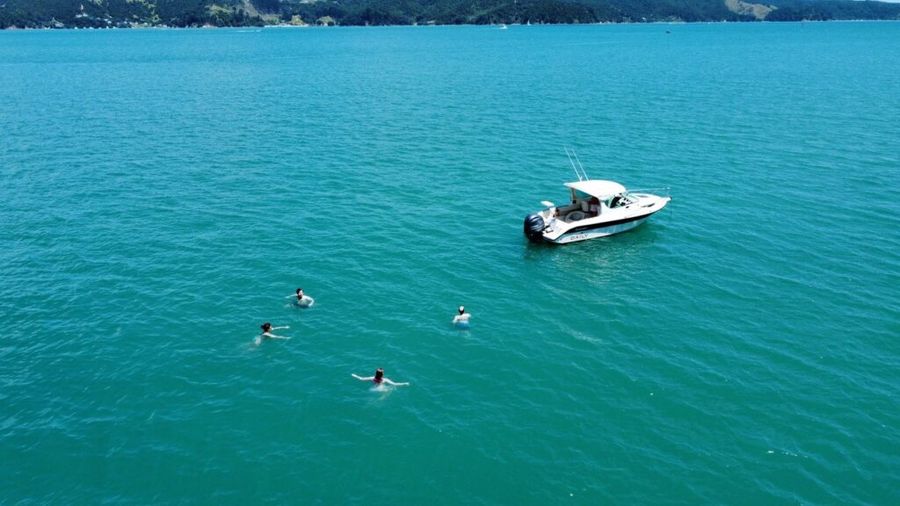
Subscription boating is probably the most familiar model. Members pay a regular fee for access to a fleet, while the operator handles maintenance, insurance, berthing and servicing. Auckland-based Subscription Boat Club, formerly known as Skipperi, has been running since 2021 and operates New Zealand-built Haines Hunter boats out of Westhaven, Gulf Harbour and Half Moon Bay. Members book through an app, but they don't just turn up and go. SBC requires Coastguard's Day Skipper theory course plus practical on-water training before anyone heads out solo.
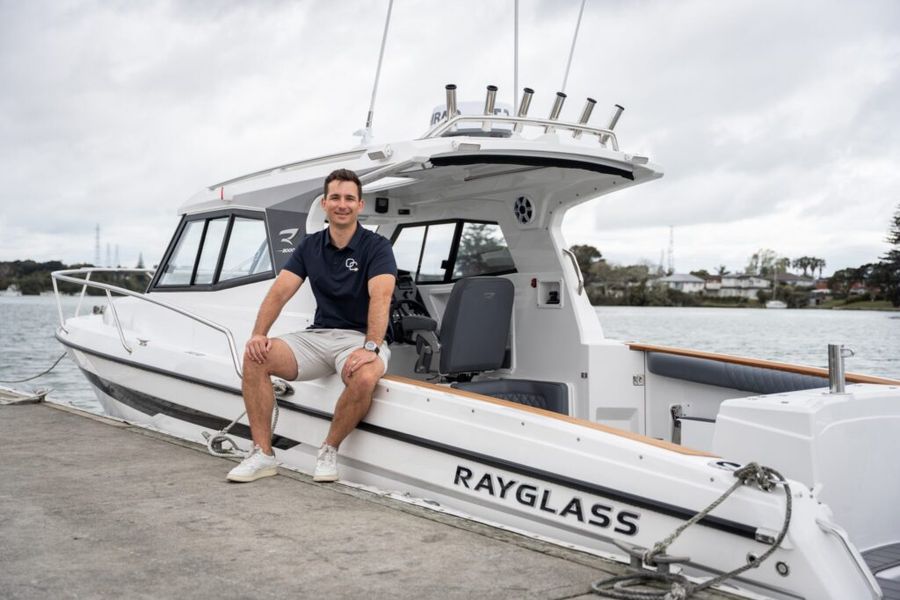
Freedom Boat Club, the world's largest members-only boat club, launched in New Zealand in 2025 and now operates in Auckland, Christchurch and Queenstown. It has more than 445 locations worldwide. Its Auckland fleet includes vessels from Stabicraft, Rayglass, Rae Line and Sea Ray, accessed through a one-off joining fee and monthly subscription, with maintenance, cleaning, insurance and storage managed by the club. Members receive practical on-water training and, depending on their membership, can access boats at other club locations internationally.
Then there's YachtShare, a Westhaven Marina operator that has been offering shared access to sailing yachts on the Hauraki Gulf since 1998. Its fleet of monohulls and catamarans ranges from 32 to 52 feet, with members choosing packages of 21 or 35 days on the water each year. Its powerboat offering, Daily, brings the same hassle-free approach to fishing and family boating, with a fleet of Buccaneer 635 HT trailer boats available through monthly memberships.
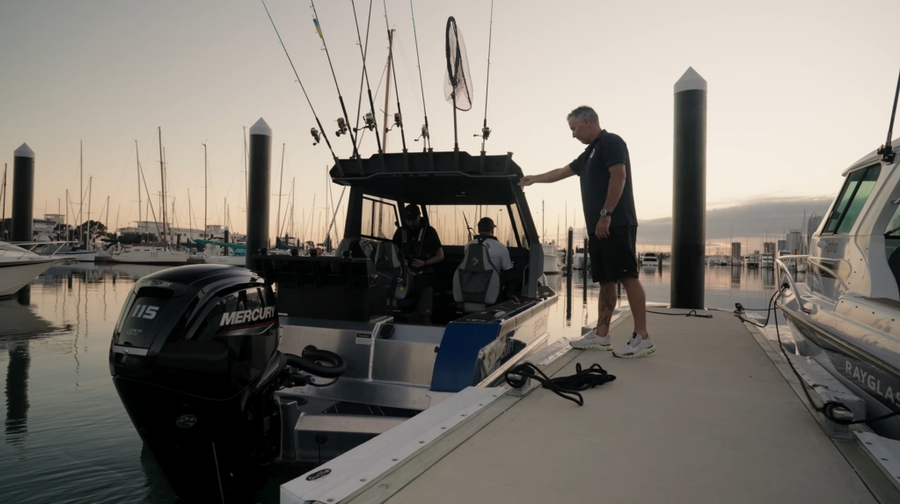
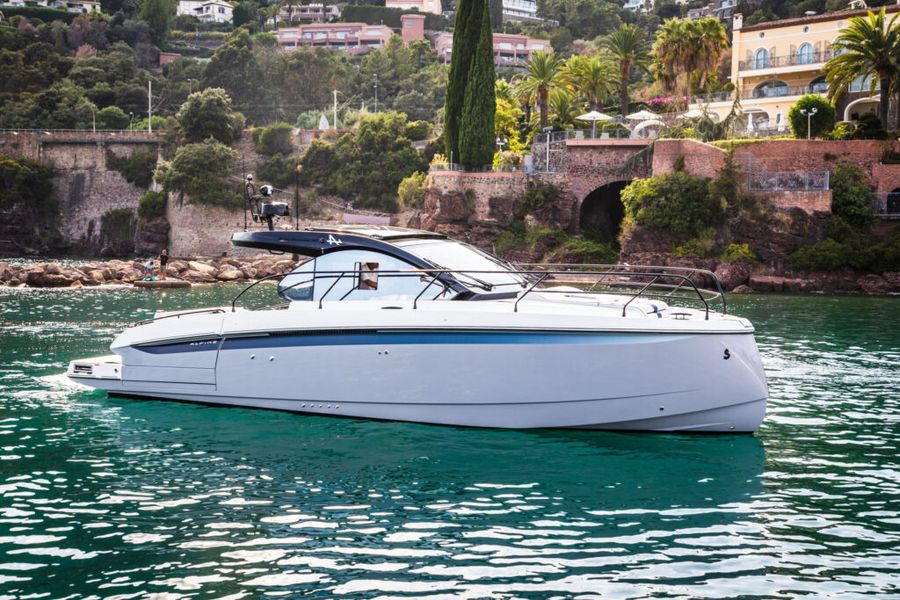
For those wanting a bigger stake without full ownership, fractional ownership and syndication fill the gap. This model is particularly attractive in the premium market, where the cost of purchasing and operating a larger vessel can be significant. Ownaship, The Yacht Collective, Your Marine, and newcomers Sports Marine and Offshore Collective all offer syndication across a range of vessels, from smaller powerboats to luxury motor yachts and sailing yachts, with professional management covering maintenance, insurance, berthing, cleaning and preparation.
Charter and rental services sit at the lighter end, letting someone experience boating for a day, weekend or holiday without a longer-term commitment. Skippered charters can introduce people with little or no boating experience to the water.
Callum Gillespie, Executive Director of NZ Marine, sees the bigger picture. "For the marine industry, shared boating extends beyond providing alternatives to traditional ownership. It's a low-risk and accessible alternative to full ownership that is a perfect fit for our economic times and the realities of our busy, modern lives and one that can attract new customers and build participation in boating."
The purchase price is just one consideration for prospective boat owners. Storage, maintenance, insurance, available time and confidence on the water can all influence whether someone takes the step into ownership, and shared boating can remove or reduce many of these barriers.
Scott Williamson of Freedom Boat Club has watched the pattern play out with members. "We've had customers discover they just love fishing or cruising and go on to become boat owners, move into charter experiences or a syndicate, and even customers getting into bigger boats. We've also seen former boat owners 'downsize' to subscription boating. The important thing is they are still out there."
Stacey Cook of the Auckland Boat Show points to what this means for the wider industry. "One of the opportunities for our industry is to introduce boating to people who may never have considered buying a boat, or who aren't yet ready to take that step. Shared boating gives them the chance to develop their skills, discover what they enjoy and become part of the boating community. For the marine industry, that's about growing the market, creating new customers and building demand for the boats, products and services that support recreational boating."
Boatbuilders and dealers benefit too. Fleet operators act as a sales channel, putting their vessels in front of prospective buyers who become familiar with particular brands, engines and electronics, while generating ongoing demand for marina berths, maintenance, refits, insurance, equipment, servicing and marine trades.
That ripple effect, more people trying boating before they buy into it, is reshaping how the industry thinks about growth. For an industry built on getting Kiwis onto the water, shared boating isn't a threat to ownership. It's a new front door.