Five knots of breeze and a Sun Fast 3600 routing model were the last hard numbers sailors had before the 2026 Round Britain and Ireland Race. PredictWind meteorologist Arnaud Monges delivered the final weather briefing to the fleet at the RORC Cowes Clubhouse on Saturday afternoon, ahead of Sunday's start, after a day of registration, safety inspections and boats still arriving in the harbour.
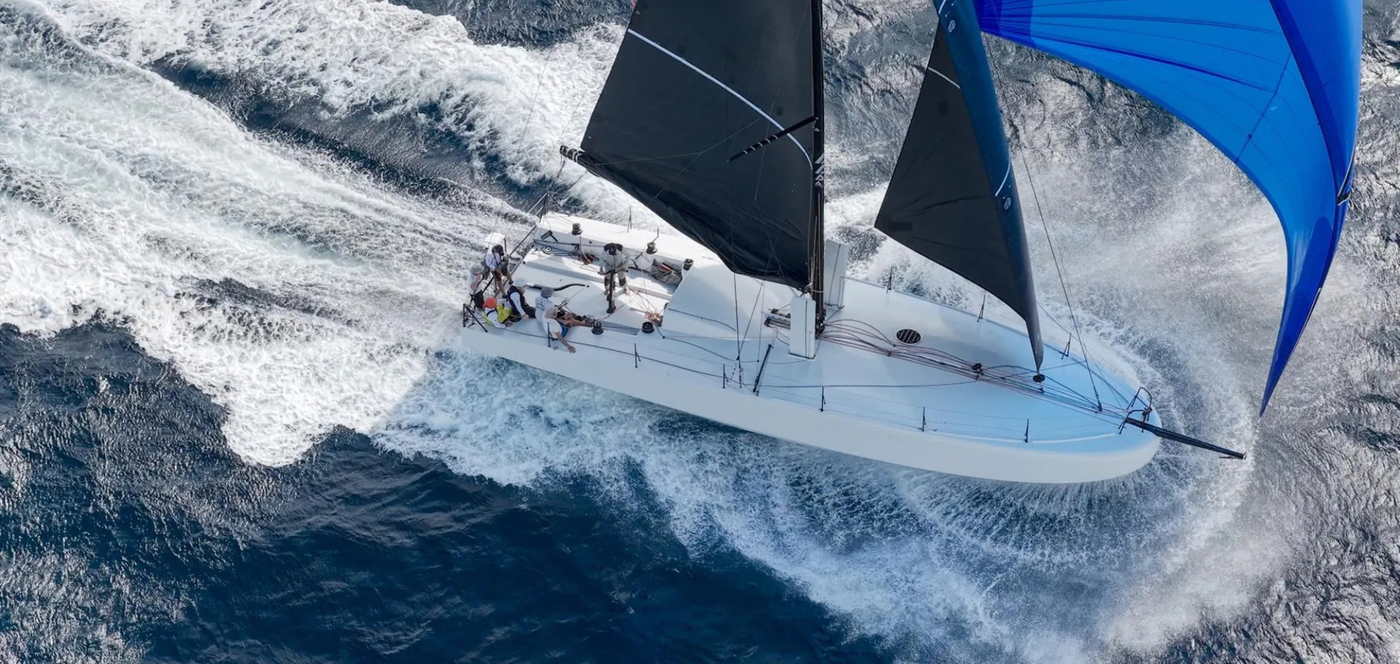
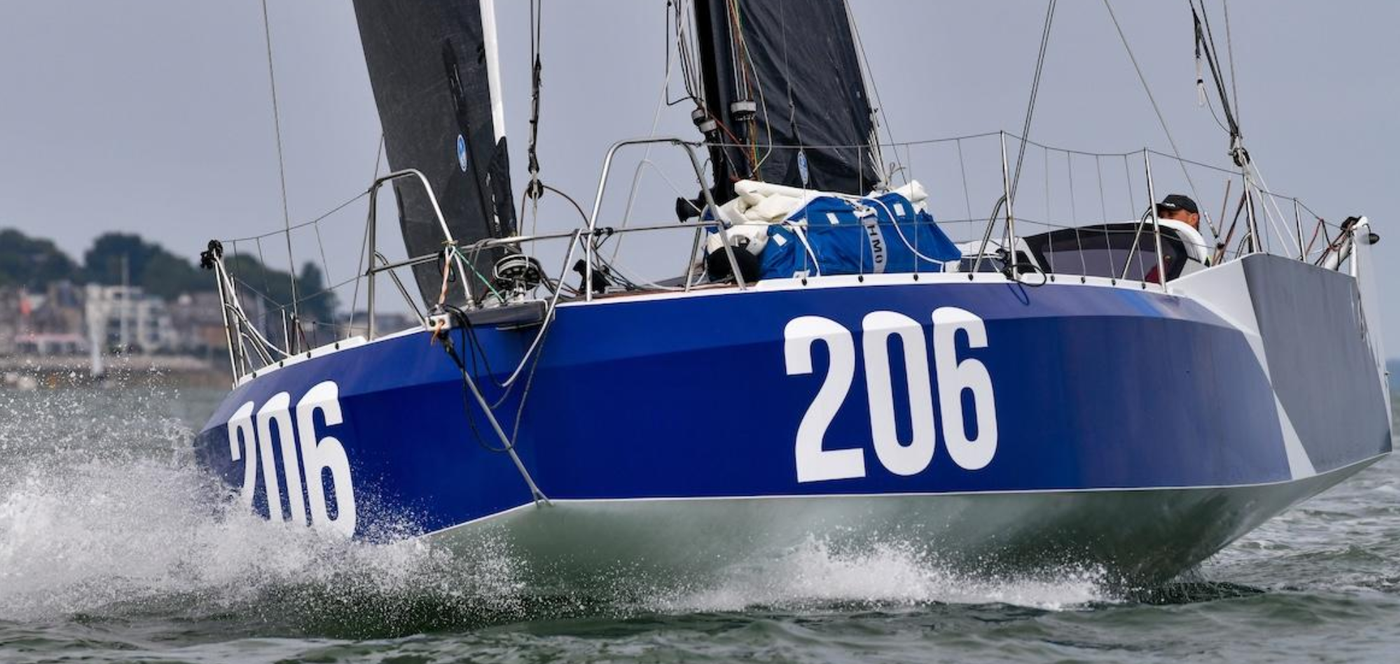
Monges used the Sun Fast 3600's performance polars, the most numerous design in the 33 boat fleet, to walk the room through a genuinely tactical opening. His routing pointed to a light southerly sea breeze near the start line, around five knots, building slightly as the fleet worked its way east around the Isle of Wight. A westerly gradient of 10 to 20 knots was forecast to fill in on Sunday evening, setting up an upwind slog out of the Channel before backing north-westerly overnight as high pressure approached. The briefing flagged one particular risk window: the tide was due to reverse during the first evening, and a developing westerly running against the current threatened a short, uncomfortable sea and sharper vertical motion for boats still finding their rhythm. Further out, the picture kept shifting again, lighter and more variable on Monday, then a low pressure system building southerly winds of 20 to 25 knots along the Irish coast by Tuesday. For the Sun Fast 3600 fleet, PredictWind's model settled on a passage of roughly 9 to 11 days at an average of 7.5 knots, most of it sailed somewhere between 8 and 20 knots of breeze.
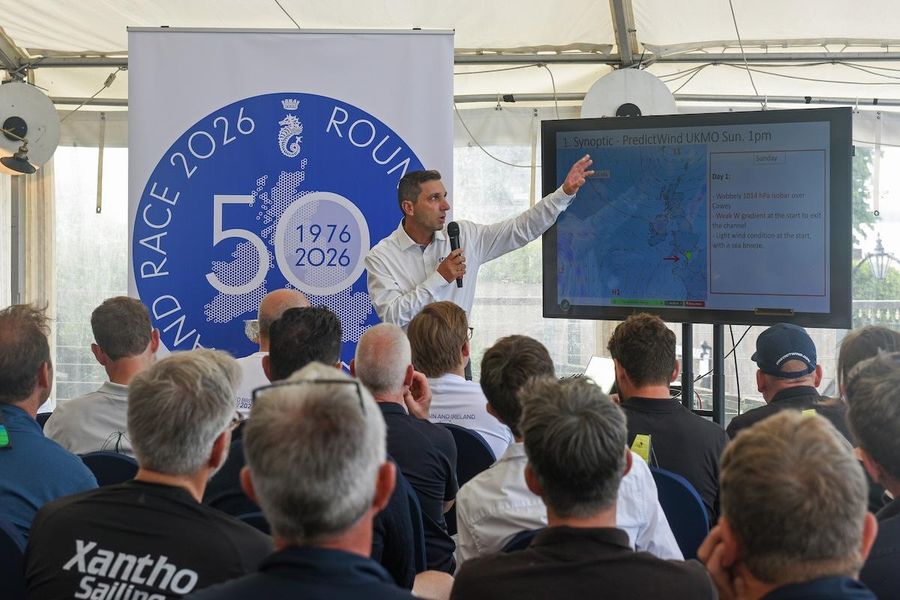
More than 150 sailors and supporters stayed on for the Crew BBQ afterwards, a last chance to compare notes before, as RORC put it, the talking stopped and the racing began.
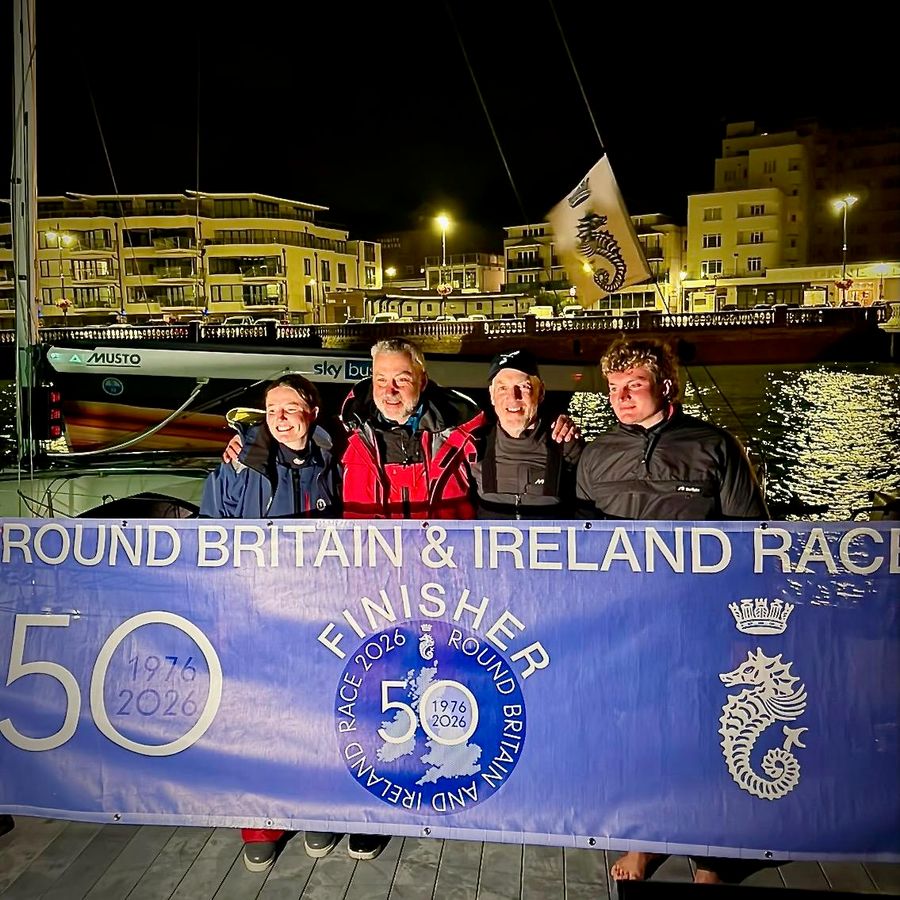
What that briefing was actually preparing is a fleet that is closer to a third double handed, and entirely Corinthian in that division. Pilots, engineers, businesspeople, students and RNLI volunteers made up the two-handed crews, sailing under flags from Denmark, England, Germany, Italy, the Netherlands, Scotland and Wales. Some were stepping onto the start line for the first time. American skipper Charlene Howard was not one of them, returning for a fourth circumnavigation aboard her Sun Odyssey 45 AJ Wanderlust, two hours faster in 2022 than in 2018. "AJ Wanderlust does not come to start races, she comes to finish them," Howard said.
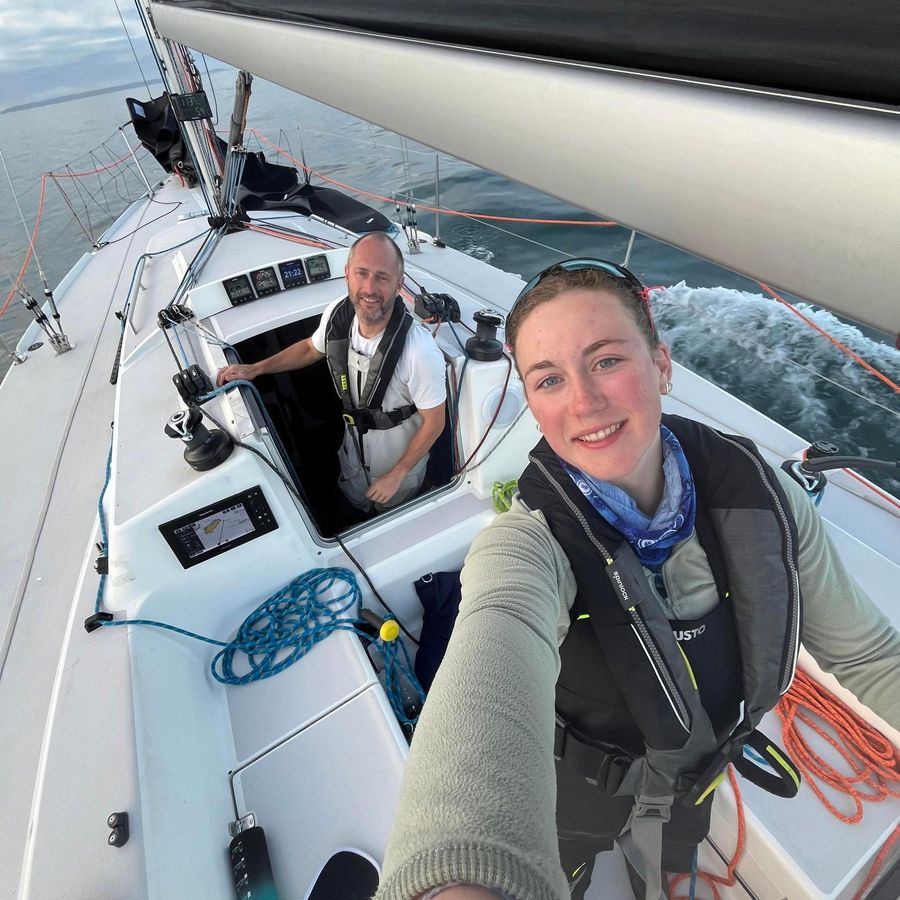
Younger faces filled out the other end of the fleet. Close to a third of this year's sailors are in their teens, twenties or early thirties, among them the RORC Griffin Youth Pathway crew racing the Sun Fast 3600 RORC Griffin, and the father-and-daughter pairing of Richard and Emma Breese aboard the J/105 Mojo. Emma, a first year medical student at Cardiff University who only started offshore racing last year, will be doing the longest race of her life alongside the father who taught her to sail at seven.
The fleet also carries its share of unfinished business and old form lines. Will Naylor is chasing his fifth completed race for the Army Sailing Association, likely an unmatched record in the event's 50 year history. Gavin Howe returns for a fourth attempt aboard Tigris. And Antoine Magre, who crewed Pata Negra to overall victory in 2018, lines up this time as skipper of his own Mach 50, Palanad 4, carrying Wellington's Oakley Marsh among an eight-strong crew. Four time Volvo Ocean Race winner Stu Bannatyne, a Kiwi with three decades of round the world racing behind him, will be the start line for the first time despite that record.
Note: Go Boating New Zealand has covered Marsh's route onto Palanad 4 and both New Zealanders' positions once the fleet was away.