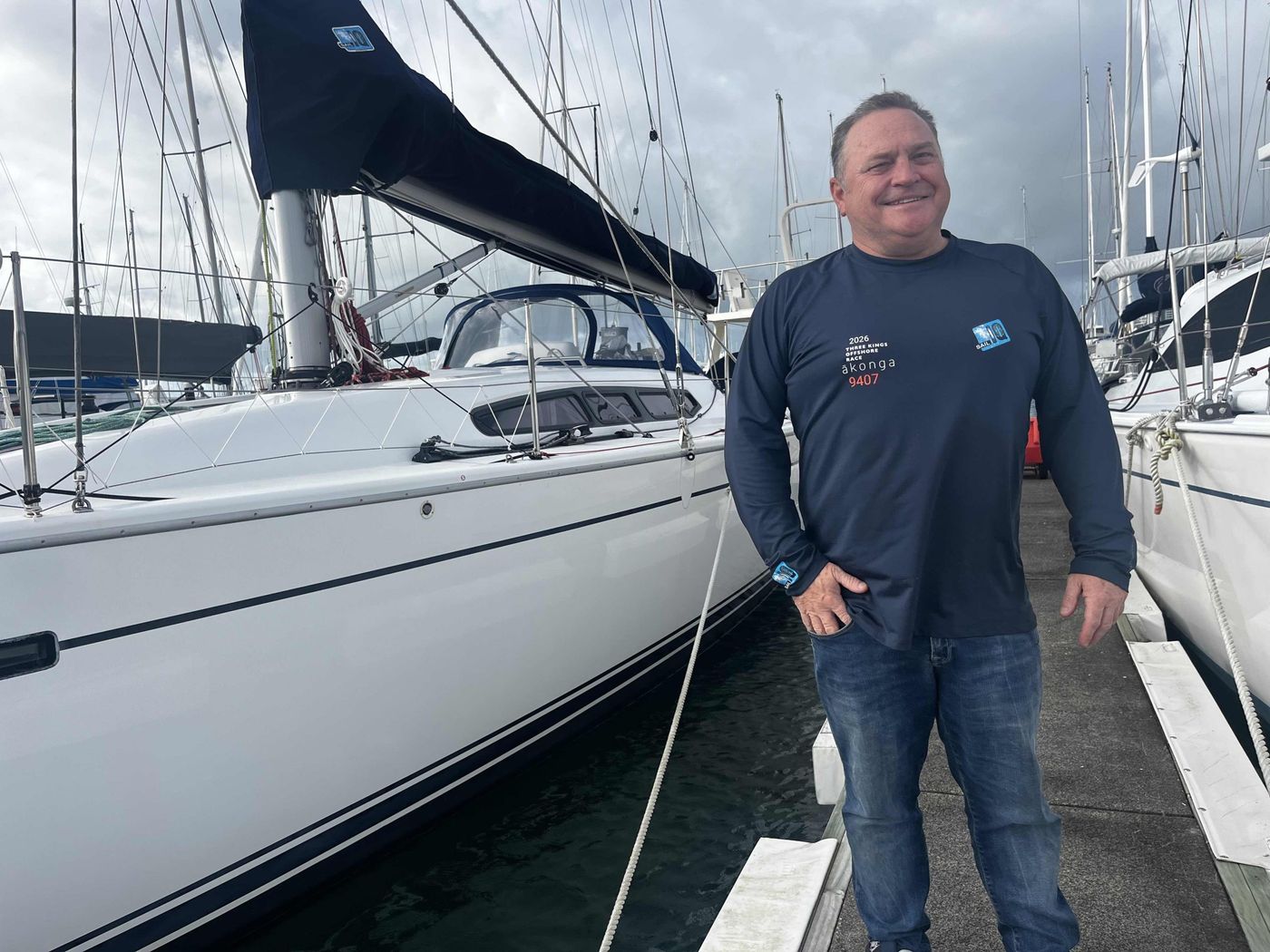
Offshore sailor Nick Roberts is deep into a campaign block that leaves almost no room to breathe. Racing commitments overlap with a constant stream of content creation, audience engagement and sponsor obligations, and on board Ākonga, every one of those demands occupies the same confined space. In modern offshore sailing, what happens on the water and how it gets communicated to the outside world have become a single, inseparable effort.
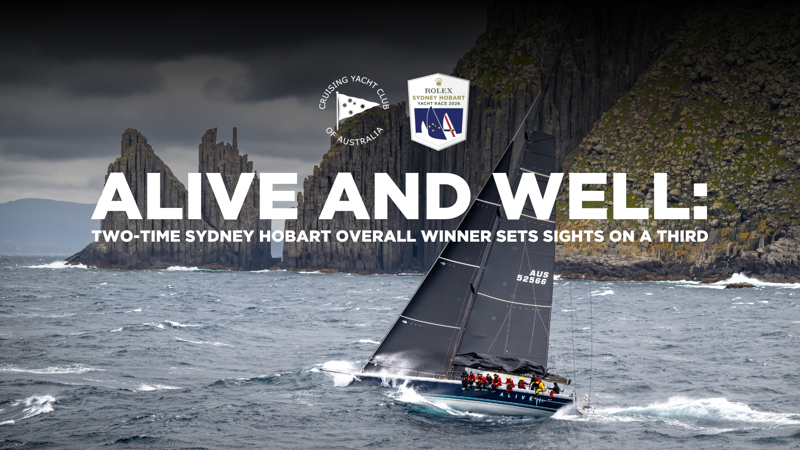
The focal point of everything Roberts and the Ākonga team are building toward is the 2026 Rolex Sydney to Hobart Yacht Race. The entire campaign has been structured around that offshore classic, with a sequence of races designed to develop the boat, sharpen the crew and refine the procedures that will matter most when the fleet heads south.
Central to that preparation is the SSANZ Lewmar Triple Series, which provides the team with meaningful offshore miles under genuine race conditions. A structured series of that kind gives Roberts and his crew the opportunity to stress-test systems, work through coordination under pressure and identify problems while there is still time to address them properly. Roberts has described the campaign period as continuous and unrelenting, with fatigue and shifting conditions forming a constant backdrop to every decision made offshore. The Sydney to Hobart, combining endurance sailing with tactical complexity across a demanding passage, is where all of that accumulated preparation faces its fullest examination.
Away from the racing itself, conversations aboard Ākonga have turned to how substantially the media dimension of offshore campaigns has expanded. Roberts noted that during major events, social media and website traffic spike sharply as races unfold, generating a digital reach that far exceeds what would have been possible in earlier eras of the sport. Consistent posting and regular updates, he observed, contribute directly to audience growth over time, making them a core part of the campaign strategy rather than something added as an afterthought.
The Sydney to Hobart sits at the heart of that shift. The race attracts global attention each year and delivers strong engagement across multiple platforms, and Roberts expects the 2026 edition to be no different. Offshore racing now demands more of its participants than strong performance on the water alone. Visibility off it has become an expectation that runs alongside results.
The day-to-day reality aboard Ākonga during the campaign build-up is practical and fast-moving. Space is limited, organisation is essential, and the boat functions simultaneously as base, workshop and communications hub. Equipment is attended to, planning is ongoing, and nothing that needs fixing is left to wait. Roberts has described this constant process of adjustment as simply part of the environment, one that mirrors offshore racing itself in the speed with which conditions shift and the immediacy with which teams must respond.
That compressed, purposeful daily rhythm feeds directly into the bigger picture. The Lewmar Triple Series continues to give Roberts the testing ground he needs before Ākonga turns its full attention to the offshore classic. Each race in the series offers a chance for incremental improvement, tightening what is already working and addressing whatever still needs attention.
The Rolex Sydney to Hobart Yacht Race carries a reputation built over decades as one of the most demanding offshore challenges in world sailing. Across a race of that length and complexity, endurance, precision and coordinated teamwork are not optional extras. As Ākonga moves through the final stages of its campaign preparation, Roberts and his crew remain focused on exactly those qualities, with performance and crew alignment the priorities as the start draws closer.