A sustainability showcase timed to arrive at the precise moment when energy security joined environmental responsibility at the top of the industry's agenda.
When Nice Boating Tomorrow launched in April 2025, the marine world was already under considerable pressure to reduce its environmental impact. Hull design, propulsion systems, construction materials: every corner of the industry was feeling the weight of that expectation. What the event's organisers could not have fully foreseen was how quickly a tightening global fuel picture would sharpen the urgency further. The consequences have not fully landed yet, but the awareness is there now, sitting in the background of every serious industry conversation. Concepts that once felt optional are beginning to look necessary.
None of this arrived without warning. Europe in particular had been tightening its regulatory grip steadily, with low-emission zones expanding across the continent and certain waterways already placing hard restrictions on conventional combustion engines. Whether pressures of a similar kind will eventually reach New Zealand waters is an open question, but not an unreasonable one to ask.
The shift is not purely regulatory, either. Boaters themselves are increasingly alert to their environmental footprint, and that awareness has translated into genuine curiosity about different ways of operating on the water. Boatbuilding has responded in kind. Hulls are more efficient than they were, materials are lighter, and bio-based and recycled components are no longer a novelty. Electric propulsion, hybrid systems, hydrogen power, and solar assist have all moved decisively beyond the prototype stage, driven by a combination of demand, regulation, and the simple truth that difficulty tends to accelerate invention.
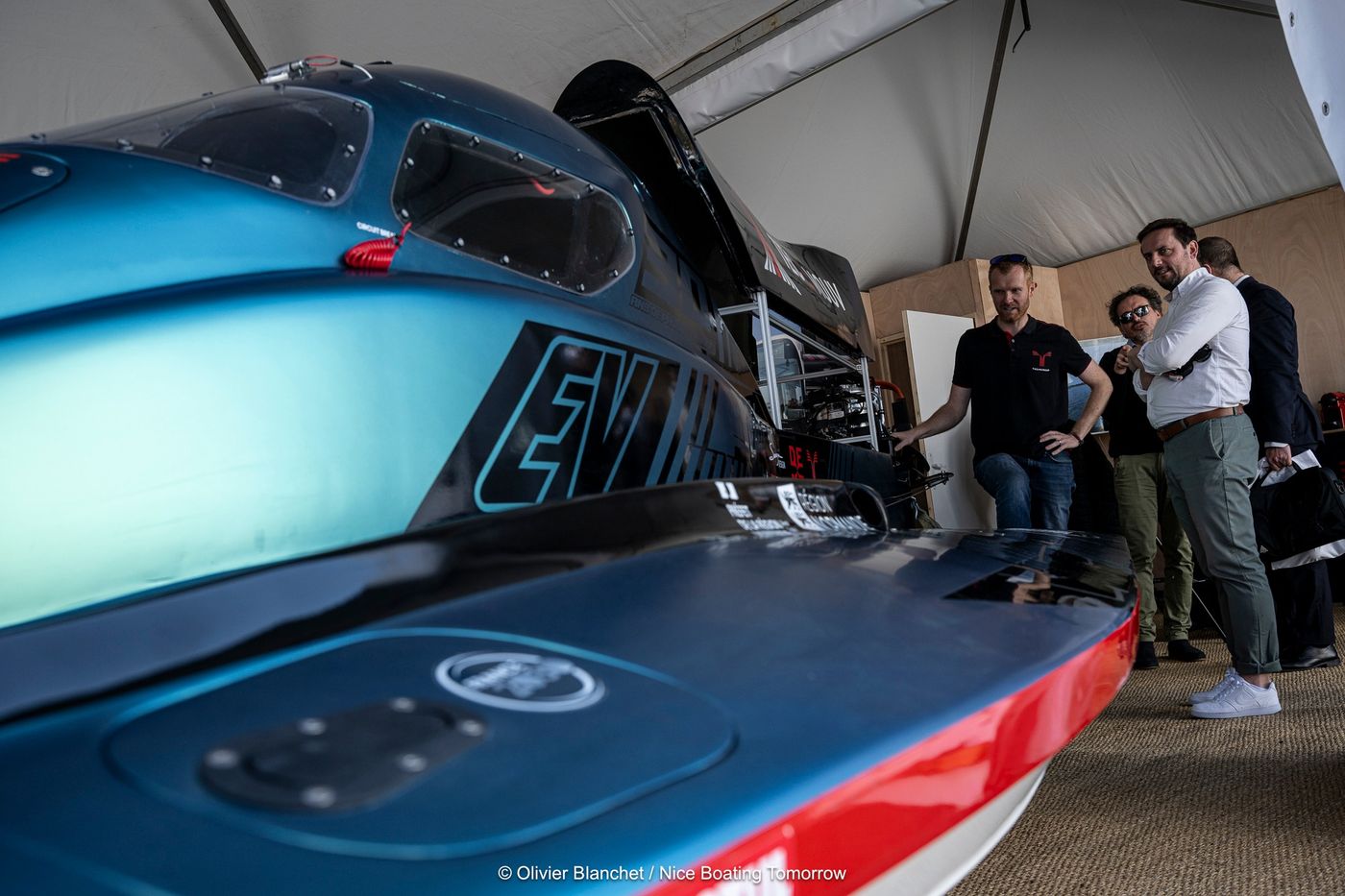
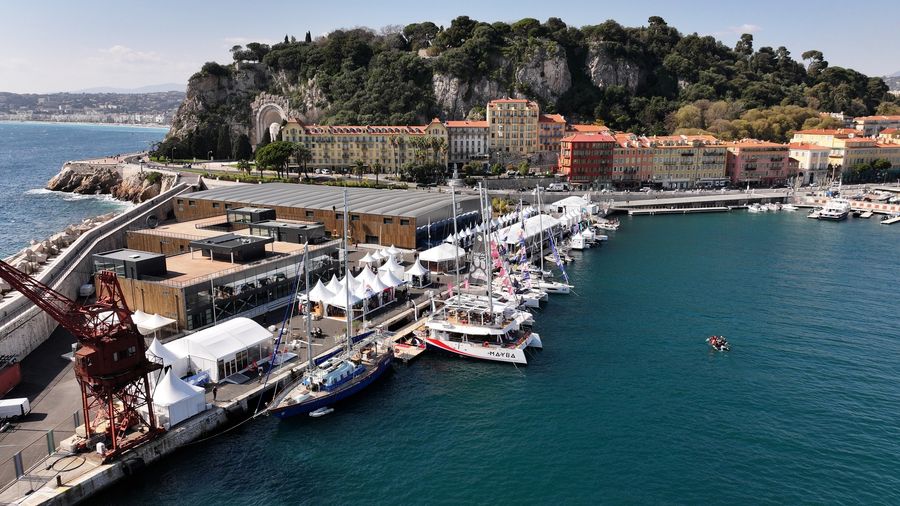
Nice Boating Tomorrow brought that progress together in one place. Finishing today in Nice, France, the event combined an on-water exhibition with a land-based component and a dedicated international forum. Sea trials sat at the heart of the programme, giving attendees direct experience aboard the vessels on show rather than simply briefings about them. Electric boating is the kind of thing that reads well on a specification sheet but only really makes sense once you have felt the quietness of the motor and the smoothness of the ride beneath you.
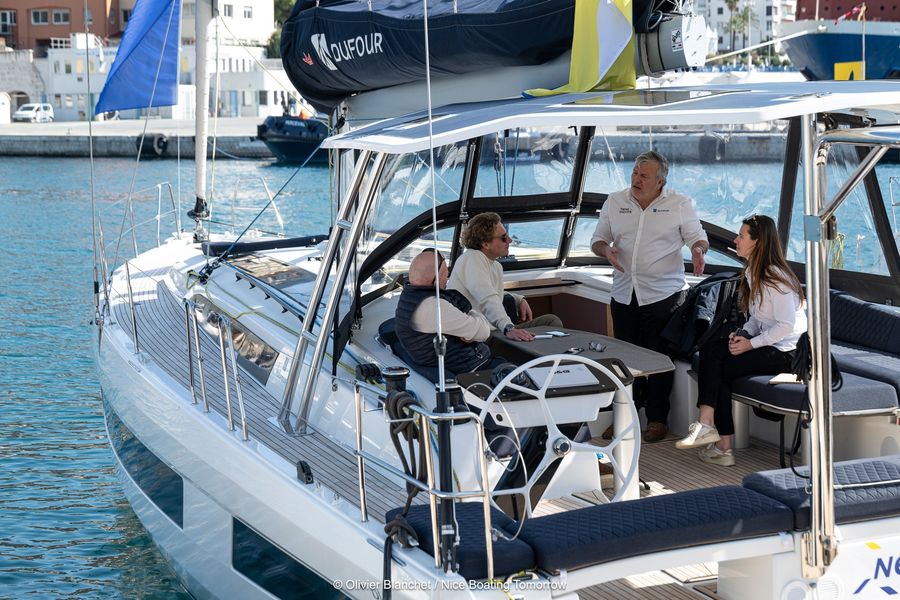
The on-water programme was deliberately varied. Small electric craft, dayboats, and larger cruising catamarans equipped with hybrid systems all featured across the exhibition. Some vessels run entirely on electric power, others draw on solar panels to extend their operational range, and a number are pushing further into hydrogen technology. These are not concept boats displayed behind a cordon. They are being manufactured and sold right now, available to buyers who are ready to make the move.
The land-based exhibition explored the systems that underpin all of it. Electric motors, battery technology, solar configurations, marina charging infrastructure, and retrofit solutions each attracted considerable attention. The retrofit discussion generated some of the more animated exchanges throughout the event. Replacing a vessel entirely is not a realistic option for every owner, and a significant number are instead investigating what can be modified on their existing boat, whether the driver is environmental conscience, cost management, or simply getting ahead of regulations that may yet come their way.
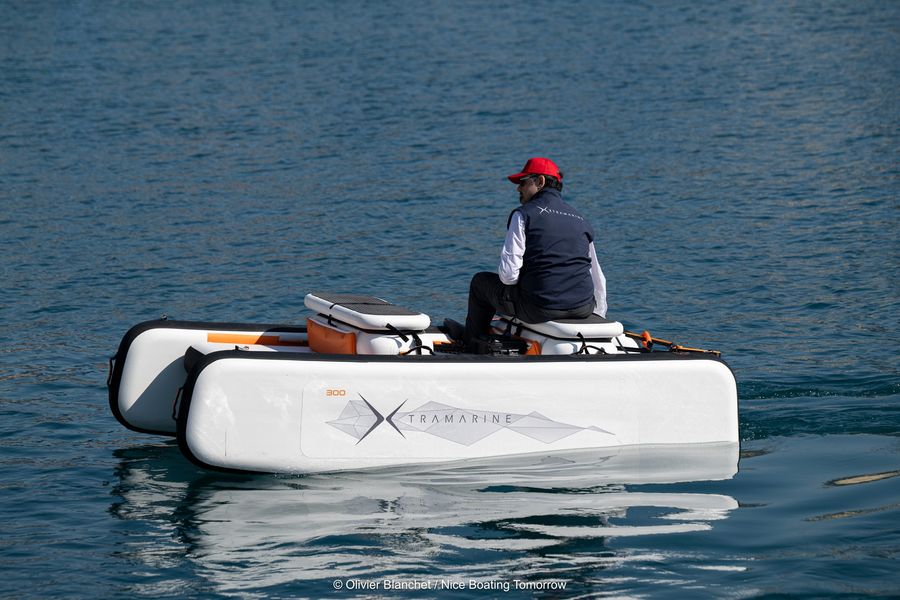
The event drew participation from well beyond France. More than 80 exhibitors took part, with a substantial proportion travelling from other countries, representing shipyards, equipment manufacturers, technology developers, and research organisations. That breadth of involvement reflects how complex and genuinely global this transition has become.
Running in parallel with the exhibition, the forum offered conferences, workshops, and panel discussions from international speakers. The tone throughout was practical rather than aspirational. Hands-on activities and scientific demonstrations kept discussions grounded in what is actually achievable now, and the common thread running through it all was that advancing the future of boating requires not only developing better technology but also encouraging people to engage with and make use of what is already on offer.
Nice Boating Tomorrow arrived at a moment when the industry finds itself pulled in the same direction by two separate forces at once. What began as a sustainability-led event found itself equally relevant to a conversation about energy security that nobody had quite expected to be having so soon. Alternative propulsion has stopped being a niche enthusiasm and is fast becoming part of the mainstream, on a timeline that has caught more than a few in the industry slightly off guard.