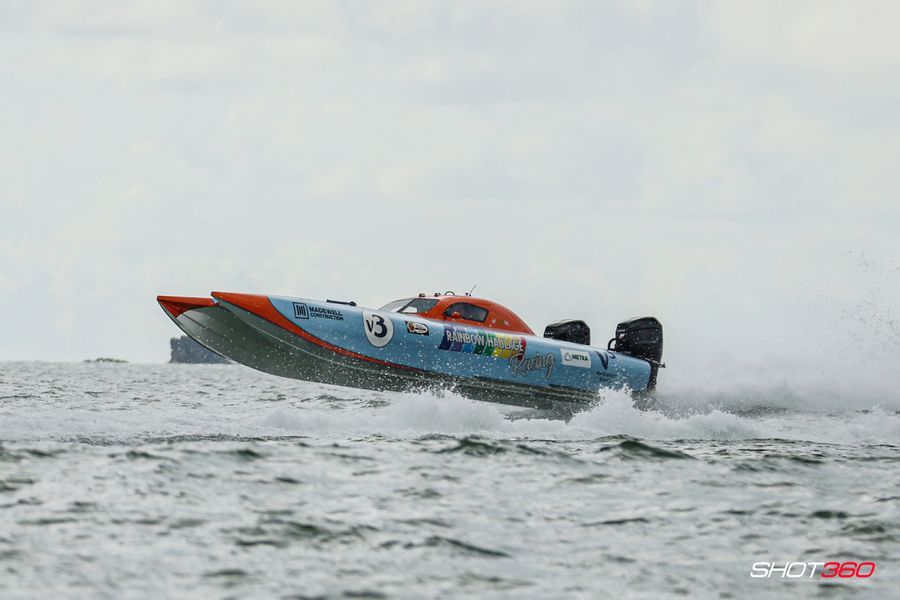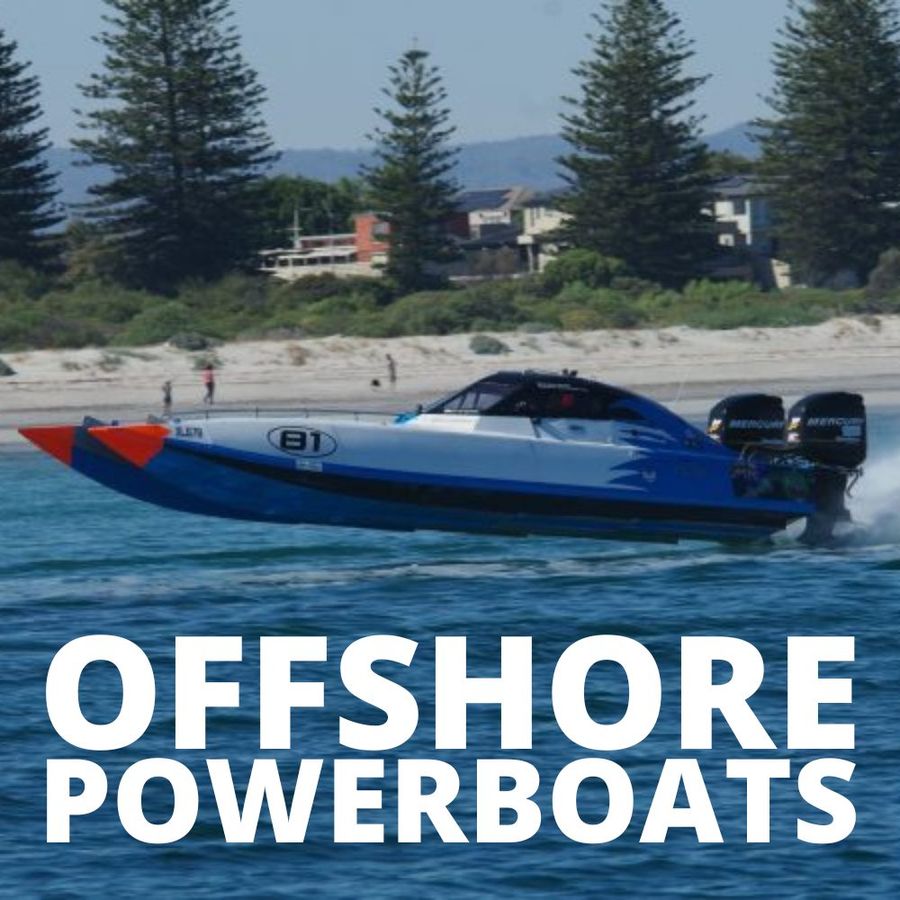
The offshore powerboat fleet is due off Poverty Bay with a first heat at 1045 and a second at midday. For competitors and spectators alike, the central question is the same: what kind of day is Gisborne going to serve up?
PredictWind's early morning update shows very light winds at first light, building toward 5 to 6 knots by late morning and potentially climbing into the mid teens during the afternoon. Direction is another matter. Early northerlies are expected to rotate easterly or possibly southerly through the racing window, a shift that could subtly alter course geometry and prompt teams to rethink their setup on each leg.
The sea state is forecast at around half a metre from the east on a six-second interval. That reads as modest in isolation, but at offshore racing speeds a short, tight chop produces a hard and repetitive landing. Drivers and crew will feel it before the day is through.
Rain is shaping up as the real storyline. MetService has issued an Orange Heavy Rain Warning for Gisborne from 0900, with heavy falls possible through the day. PredictWind reinforces that picture, pointing to steady rain for much of the day with heavier bursts at times. Should a particularly fierce spell arrive during racing, visibility could quickly become the defining factor rather than anything the wind or waves are doing.
The expected fleet was nearly at full numbers, meaning the course could be crowded. At full throttle, clear sightlines through spray, traffic, and turning marks are essential. Layer driving rain over already busy water, add shifting wind angles that keep altering the surface texture, and the workload for every crew rises considerably.
There is little in the forecast to suggest wind strength or wave height alone will stop racing. The boats are more than capable of handling the numbers on paper. Whether both heats run without disruption may come down to how hard the rain bears down and how well each crew adapts to reduced visibility and a constantly changing track.