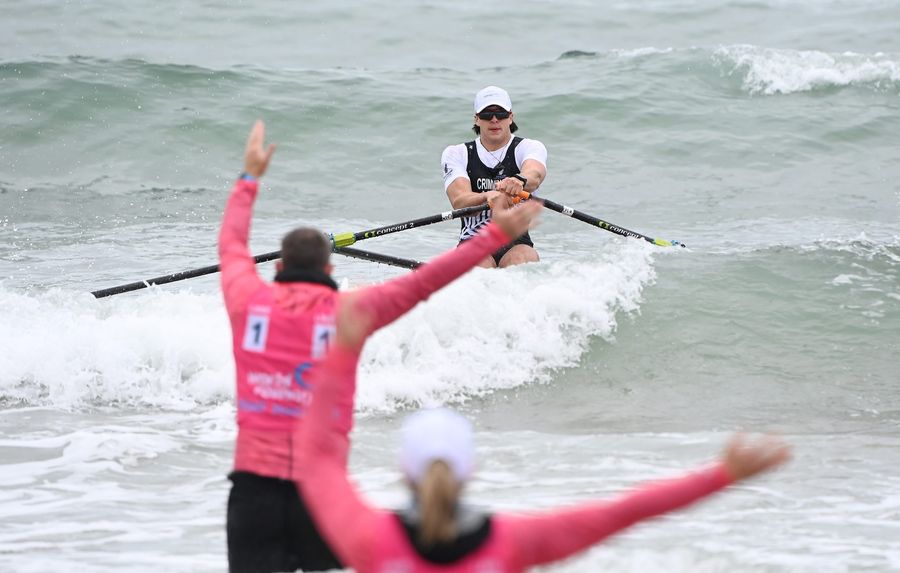
Nine schools lined up at the 2026 Maadi Regatta having never before competed at New Zealand's premier school rowing event, a development pointing to a sport quietly extending its reach well beyond the traditional centres of excellence. Geraldine High School, Darfield High School, and St Ignatius of Loyola Catholic College were among those newcomers, each arriving at Lake Ruataniwha with a different story of how they got there.
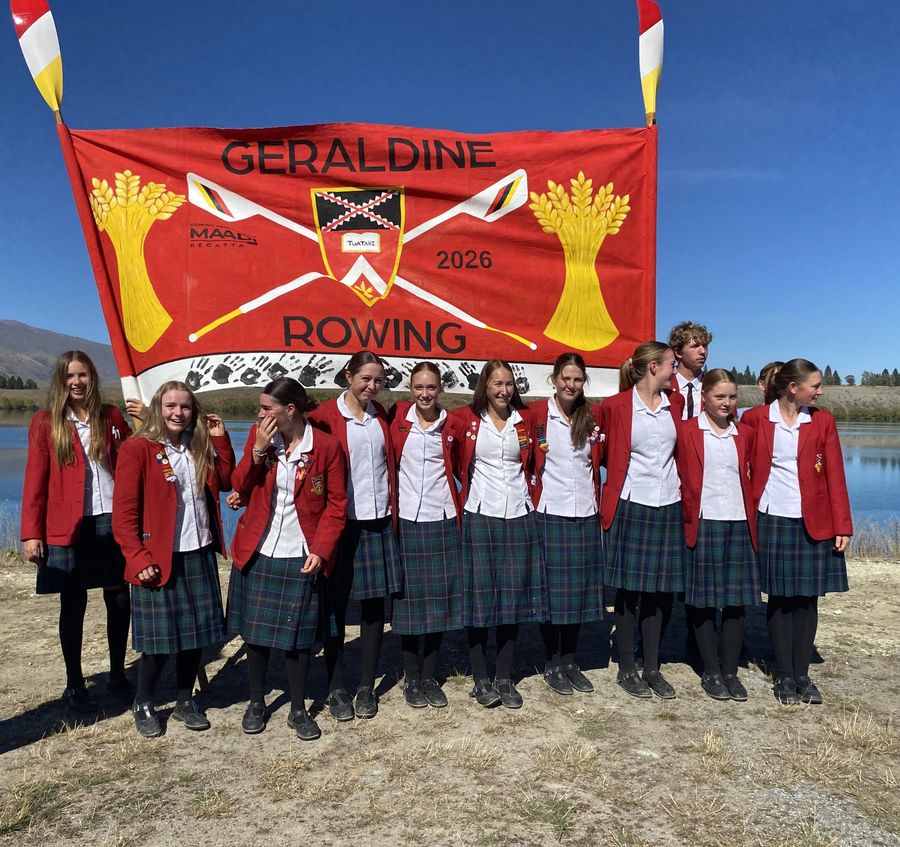
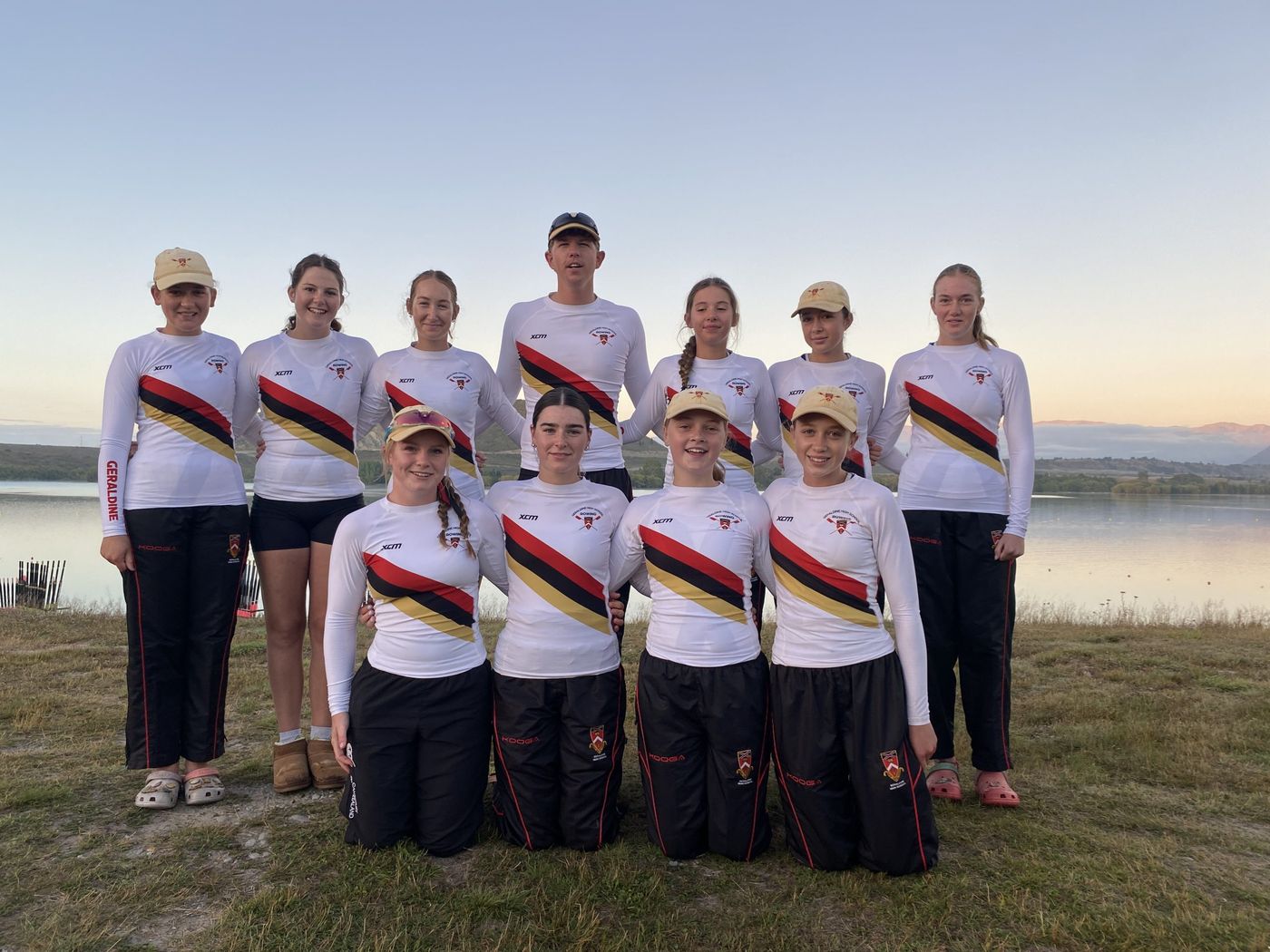
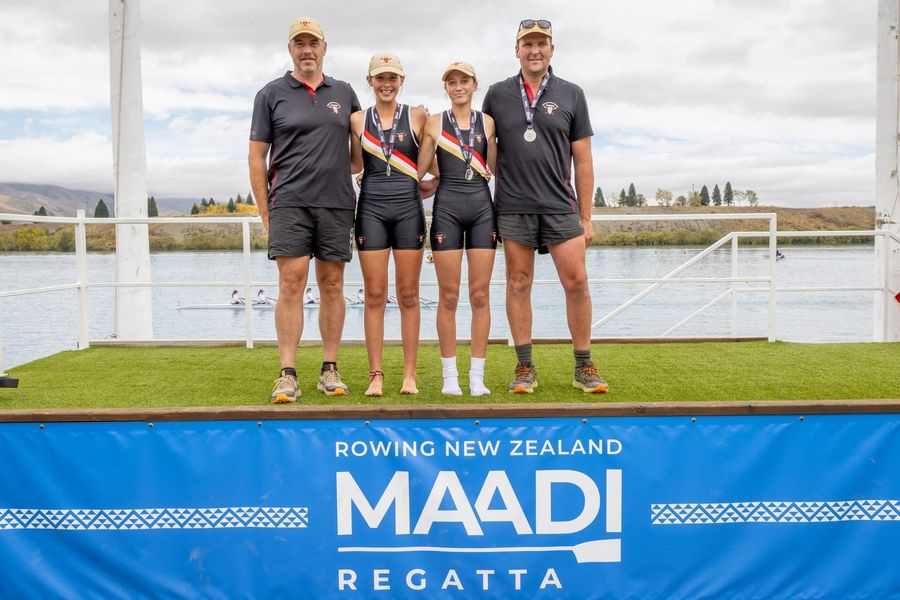
Geraldine's journey to the start line began in September 2025, when coaches Jeremy Gaskin and David Earl built a programme from the ground up. Seven rowers signed on initially, and by regatta time that number had grown to eleven, enough to field a U15 crew, a senior novice girls' crew, and a U18 boy. Charlee Cooper and Justina Courage returned from Twizel with a silver medal in the Girls' U18 Novice Double Sculls and bronze in the U15 version, results that no brand-new programme could have banked on. Rowing manager Rae Gaskin, Jeremy's wife, explained how the school came to take up the sport at all. "It made sense to start our programme while we were already heavily involved in rowing as a family," she said. Timaru Rowing Club provided boats and practical support, and parents who had turned up to the regatta with little understanding of what they were watching rapidly became committed volunteers. The school is already planning to expand the programme substantially heading into next season.
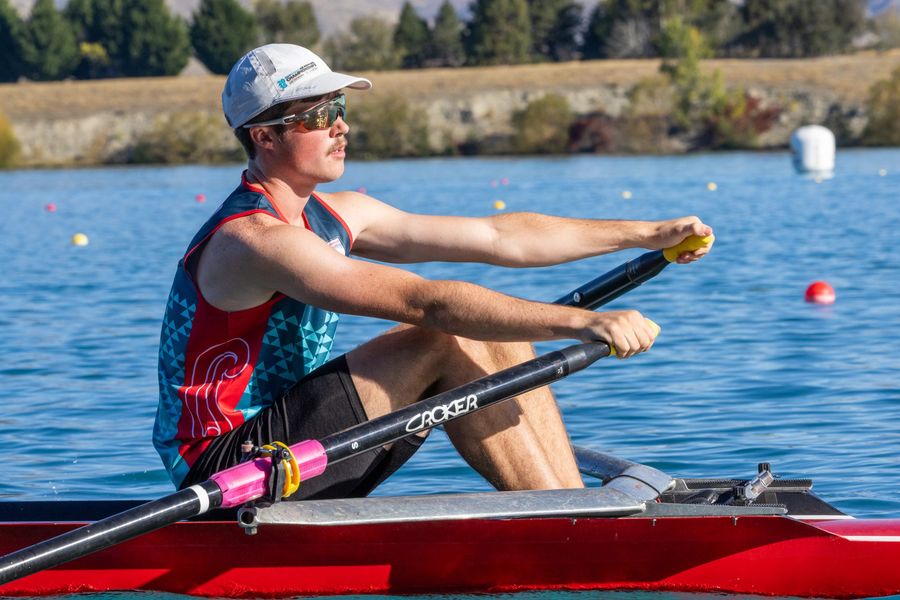
Darfield's path to Maadi took considerably longer. Two years of persistent lobbying from students and parents who wanted rowing at their school eventually led to the formation of Selwyn Rowing, an umbrella organisation now serving four schools across the Darfield, Lincoln, Rolleston, and Ellesmere regions. Coach Adam Jenkin is candid about how difficult those early stages were. "We had no coaches, boats, gear, or storage facilities," he recalled. Equipment came through donations and money through grassroots fundraising. By the time the 2026 regatta arrived, three Darfield athletes were ready to compete, with the event held practically on their doorstep in Twizel. Samuel Lindores came agonisingly close in his U18 single sculling repechage, missing the top spot by just 0.22 seconds, a margin narrow enough to sting and close enough to show how quickly the school was finding its feet. Jenkin is planning to return to Karapiro next season with a larger squad and sharper competitive ambitions.
St Ignatius of Loyola Catholic College in Drury also made its Maadi debut in March. For everyone connected to the school, simply being at the regatta carried weight beyond finishing positions. It was proof of what sustained commitment could produce, and gave the broader school community a genuine milestone to mark.
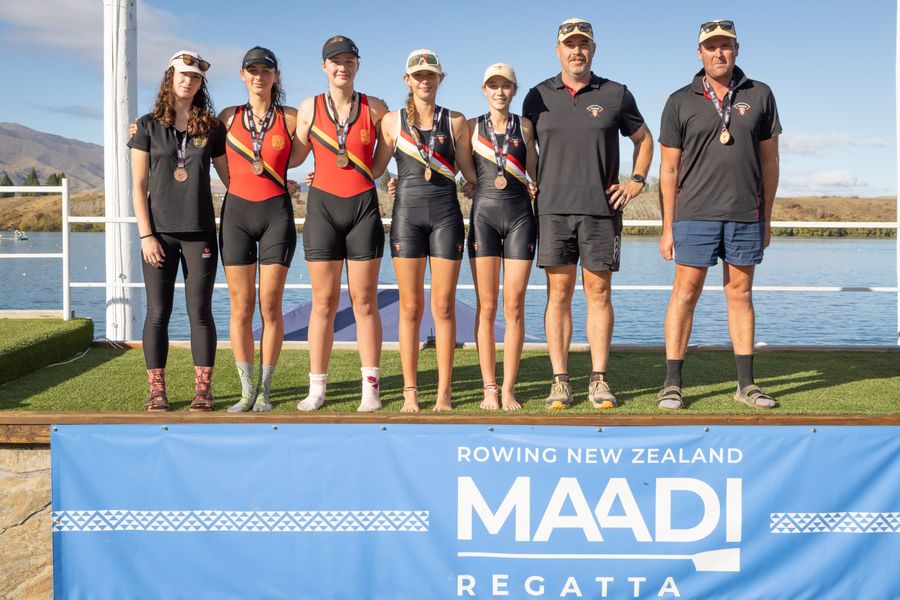
What connects these three schools is not prize-winning tradition or polished infrastructure. It is people. Coaches who chose to invest their time in something with an uncertain beginning, students who committed to one of the more physically demanding sports on offer, and parents who taught themselves the rituals and rhythms of regattas from scratch. The Maadi Regatta has long been shaped by the sport's established powers, but the appearance of nine first-time schools in 2026 is a clear signal that rowing is finding new ground in communities where it previously had no presence. These debuts count for more than medals. The sport's growth shows up in the student who discovers a sporting identity through a boat for the first time, in the parent who spends a winter fundraising for something they never anticipated caring about, and in communities that now have a foundation to build on. School rowing in New Zealand is not simply sustaining itself among the well-known names. It is moving outward into the regions, one new crew at a time.