Nathan Outteridge occupies a particular space in the current sailing landscape. As driver for Emirates Team New Zealand's AC38 campaign, and previously co-driver alongside Peter Burling during AC37, he brings a layered perspective to the F50 platform, built on deep familiarity, genuine technical fluency, and a clear-eyed respect for just how fast and unforgiving these boats are. He spoke following the conclusion of the ITM New Zealand Sail Grand Prix.
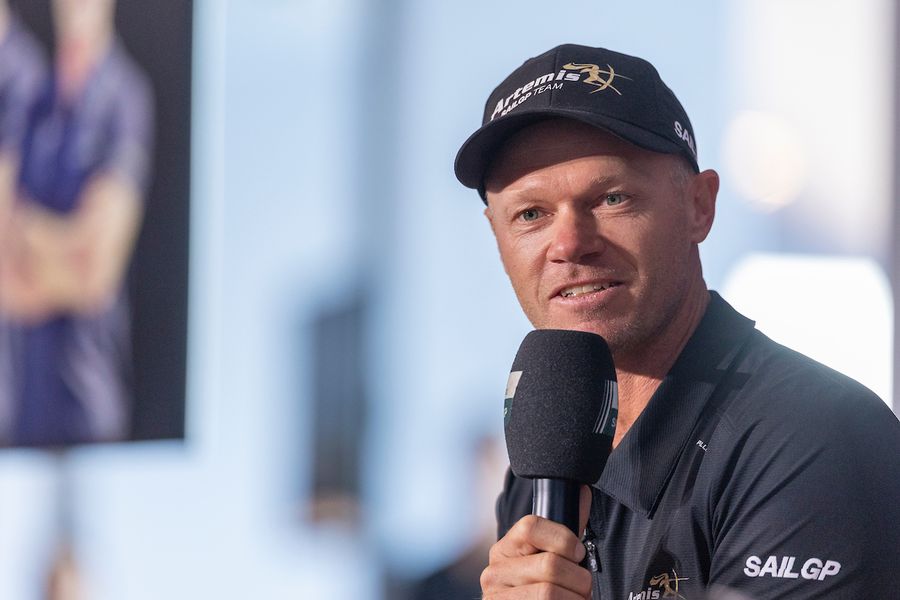
Racing had barely wrapped up the previous day when Outteridge made his way straight to Peter Burling after the collision involving the Black Foils and DS Automobiles France had been addressed. He described the atmosphere as intense, noting that the true weight of an incident at that level often takes time to fully register.
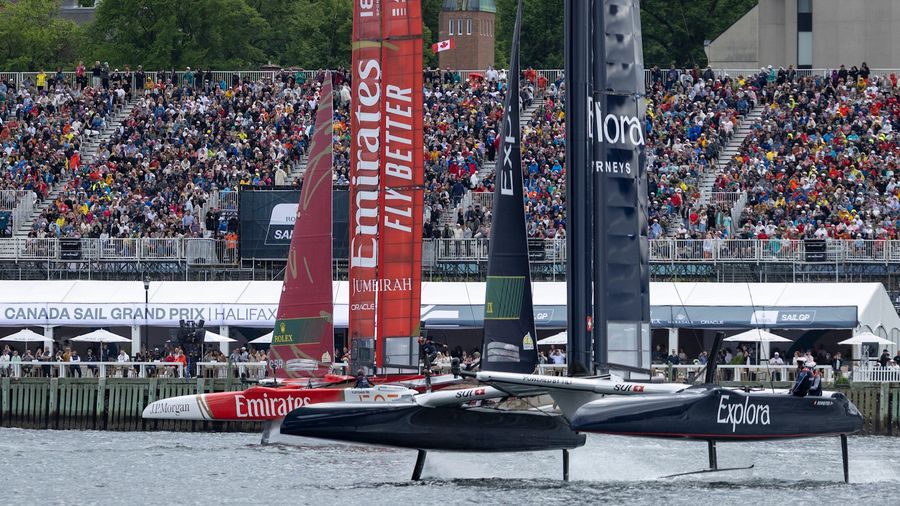
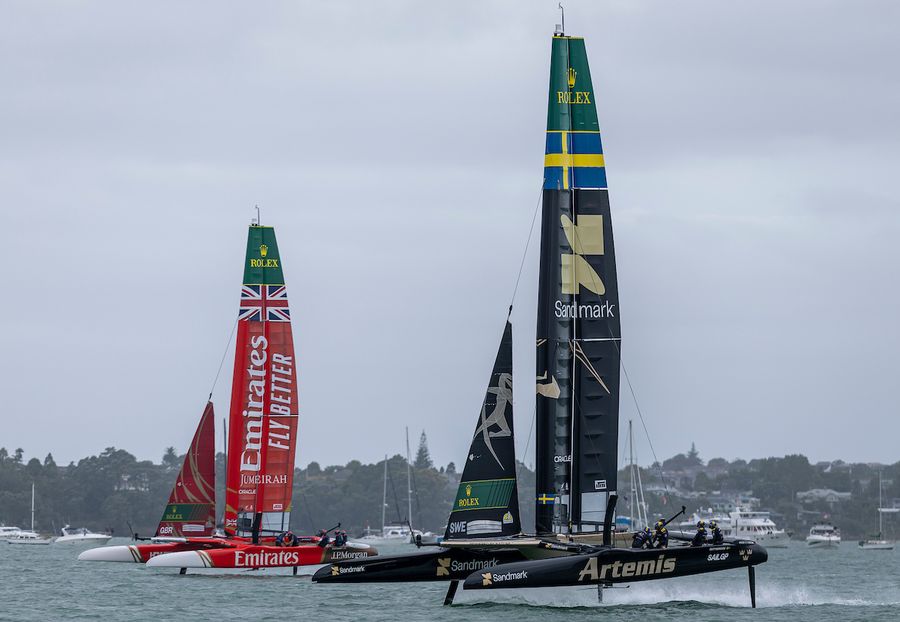
Part of what makes moments like that so jarring, he explained, is the sheer velocity involved. On the opening reach alone, the fleet was pushing close to 100 kilometres per hour. These F50 catamarans are moving at motorway speeds while crossing, turning, and manoeuvring within tight race boundaries. The margin for error is vanishingly small.
Outteridge drew a clear distinction between two categories of incident. The first is when a boat drops off its foils and pulls up abruptly, a violent event, but one that stays with the crew of that boat. The second, and the more serious concern, is when two boats come into contact. In his view, that scenario typically comes down to a lack of available space, where closing speeds at the boundary of a compact course leave crews with nowhere to go and no time to respond.
He was measured and deliberate in how he framed this, keeping well clear of any attempt to assign blame. The conversation turned instead to course design and fleet density, particularly in the context of the split fleet format that has been tested this season. His position was straightforward: on smaller venues, dividing the fleet gives crews room to focus on actually sailing the boat, rather than managing a dozen converging lines of traffic at once. A significantly larger race area could also make a full 13-boat fleet viable in one group. It was the kind of assessment that comes from race craft, not from a desire to make headlines.
Two events into their inaugural SailGP season, Artemis SailGP has quietly become the team that New Zealand's sailing community is watching most closely. A look at the crew explains why. Andy Maloney and Brad Farrand, both from Kerikeri in Northland, have come through the country's Olympic and offshore high-performance pathway and remain deeply embedded in New Zealand's competitive sailing ecosystem. Their connection goes well beyond a shared postcode. It reflects years of overlapping campaigns, Olympic preparation cycles, and integration within America's Cup programmes.
Outteridge reinforces that connection considerably. Though Australian by birth, his continuing role within the Emirates Team New Zealand AC38 programme means he operates firmly within the Kiwi performance environment. He shares the systems, the language and the personnel, and that makes Artemis feel less like a distant overseas outfit than a parallel strand of the same competitive structure.
The rest of the crew adds further layers. Chris Draper arrives with experience as wing trimmer for Great Britain, Japan, Canada and Australia across multiple SailGP seasons, as well as a stint as CEO of the British SailGP team, giving him a combination of technical wing expertise and campaign management experience that is genuinely unusual. Julia Gross comes across from Red Bull Italy, carrying America's Cup foiling exposure through the Artemis Women's programme, while Julius Hallström joins after three seasons with ROCKWOOL Denmark, bringing both physical strength and development experience from the Cup pathway.
The result is an international roster with a distinctly Kiwi backbone. With the Black Foils not yet at full competitive strength, that connection resonates with local audiences for practical rather than sentimental reasons. Familiar voices, familiar training philosophies, and a familiar approach to high-performance decision-making all make Artemis easy to follow and genuinely interesting to watch.
Outteridge spoke about speed, space and in-race decision-making with unvarnished clarity that reflects exactly how he sails. For an audience that values technically grounded, direct analysis, it's a refreshing approach to a complex and fast-moving sport.
Artemis SailGP may not carry the silver fern, but through much of its crew and its operational DNA, it carries a strong Kiwi thread. That alone is enough to hold local attention through the rest of the season.