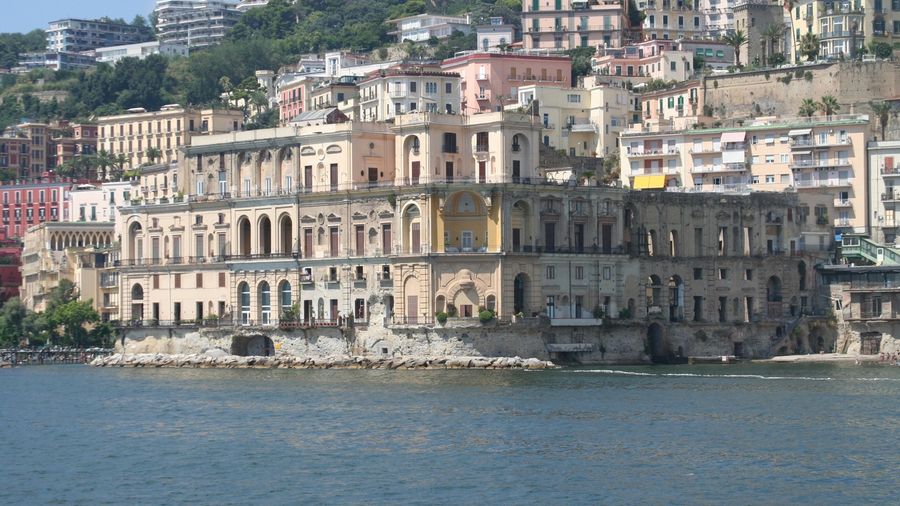
Naples has lived by the sea for more than two thousand years, and when the Louis Vuitton 38th America's Cup makes its way to the city, it will not be arriving as a novelty. Maritime life here is not decoration. It is the foundation on which the city was built.
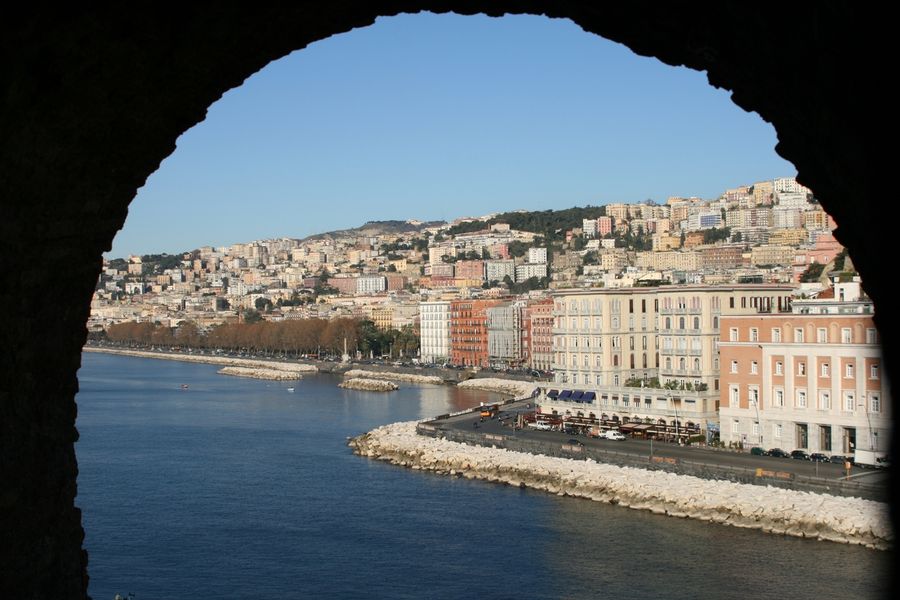
The story begins with a myth that washed ashore. Greek settlers from Cumae founded the earliest settlement on this coastline, giving it the name Parthenope, after the siren of legend who had failed to lure Odysseus to his doom with her song and, in her despair, cast herself into the sea. According to the myth, currents bore her body to a small rocky island called Megaride, the same outcrop where Castel dell'Ovo stands today. Myth and recorded history meet at a single point on the shoreline, and it is precisely here that one of the most extraordinary backdrops in the competition's long history will take form.
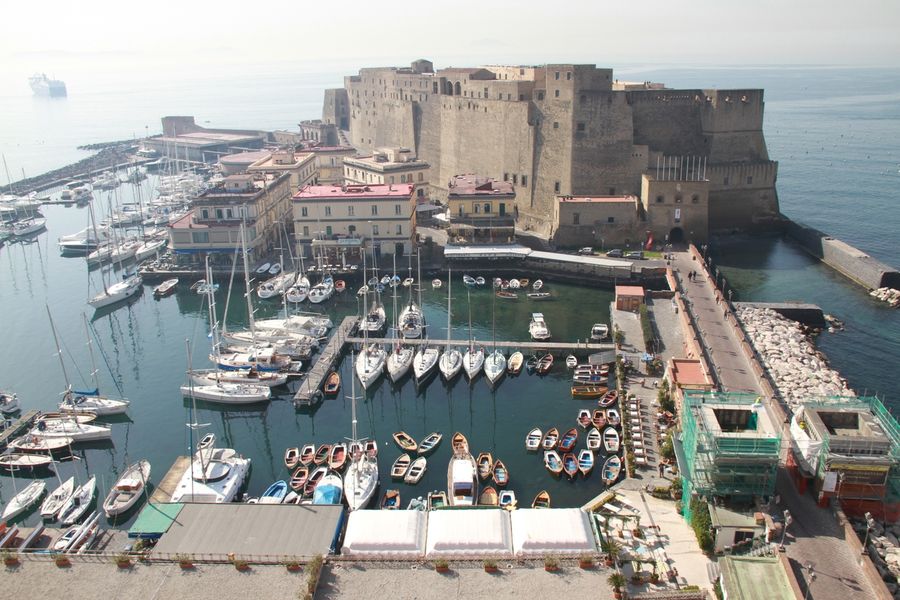
Castel dell'Ovo has stood sentinel over the Bay of Naples for nearly a thousand years. Built to command the harbour and guard the city from seaborne attack, its walls have looked out over merchant fleets, naval squadrons and trading vessels from every corner of the Mediterranean. From 24 to 27 September 2026, during the second Preliminary Regatta of the Louis Vuitton 38th America's Cup, those same ancient ramparts will look out over something rather different.
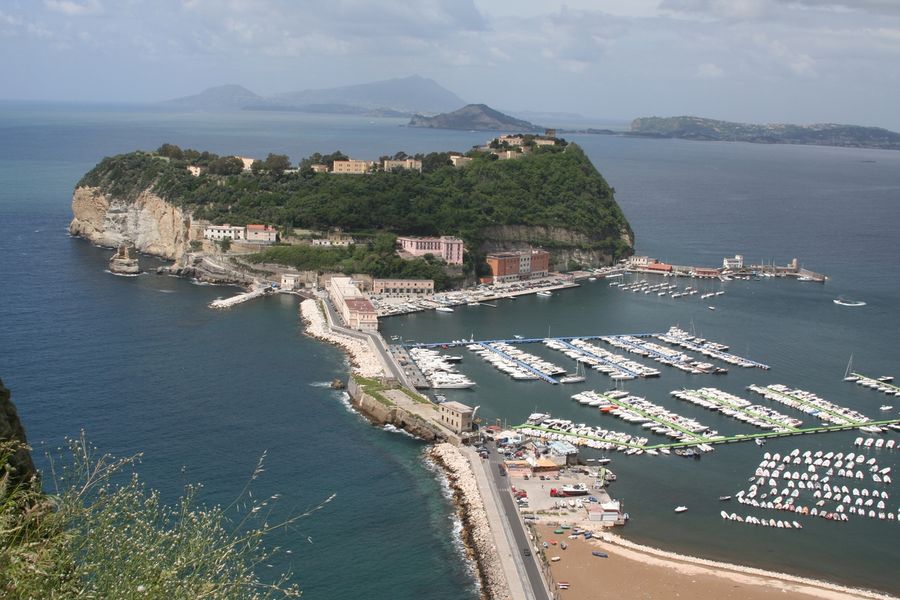
It will be the first time in the America's Cup's history that a medieval fortress has formed part of the racecourse setting. The sight of AC40s, and eventually AC75s, foiling across the bay with the castle's stone walls as their backdrop is expected to produce some of the most striking images the event has ever seen.
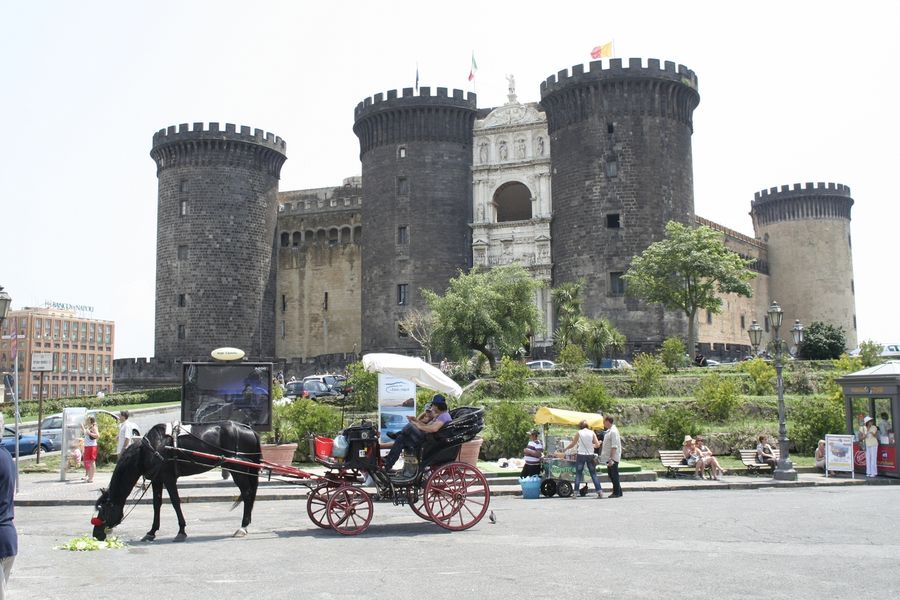
Further along the waterfront, Castel Nuovo, better known as Maschio Angioino, deepens this maritime narrative. Erected in the closing years of the 13th century to serve as both a royal residence and a military fortification, it has presided over a harbour that was already among the most active trading centres anywhere on the Mediterranean. Taken together, the two castles amount to a physical record of how thoroughly Naples built its power and its prosperity on mastery of the sea lanes.
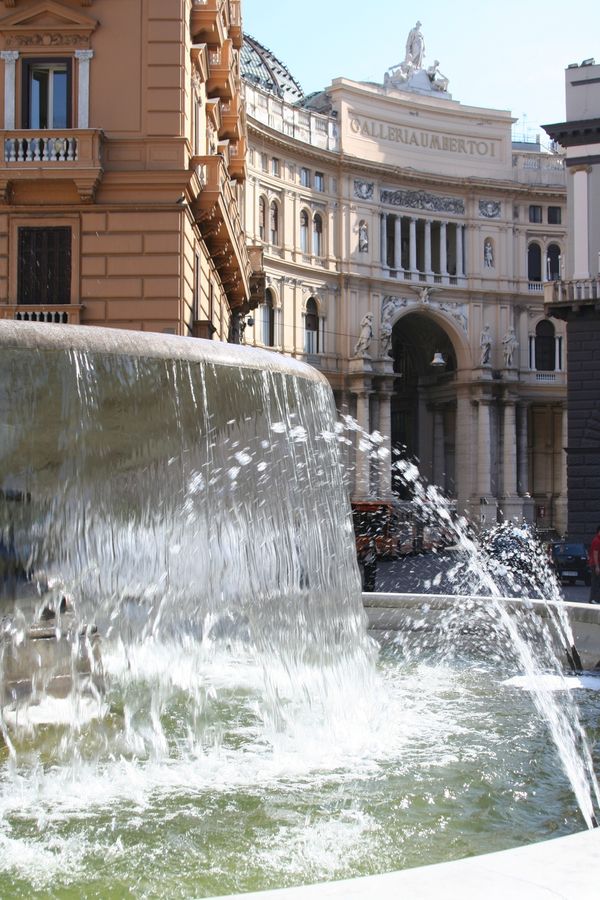
The sea's influence on Naples runs well beyond politics and commerce. In the early decades of the twentieth century, the port became one of the main departure points for hundreds of thousands of Italians bound for the Americas. For emigrants from across the south of Italy, the city offered a final glimpse of home before the long ocean crossing and whatever uncertain future awaited on the other side.
That outward-facing character has never left the city. Positioned at the heart of the Mediterranean, Naples remains one of southern Europe's most significant maritime hubs, connecting commercial shipping, tourism and international movement across the region. Its standing has been reinforced over centuries by a formidable tradition of ship ownership. During the eighteenth and nineteenth centuries, yards and maritime entrepreneurs throughout the Campania region helped construct one of the most powerful maritime economies on the continent. Shipping dynasties operating in the shadow of Mount Vesuvius carried that tradition forward through the twentieth century, lifting Naples to a genuine place in global maritime enterprise. The Aponte family, founders of MSC, stand as perhaps the most prominent expression of a tradition whose reach now extends far beyond the Mediterranean basin.
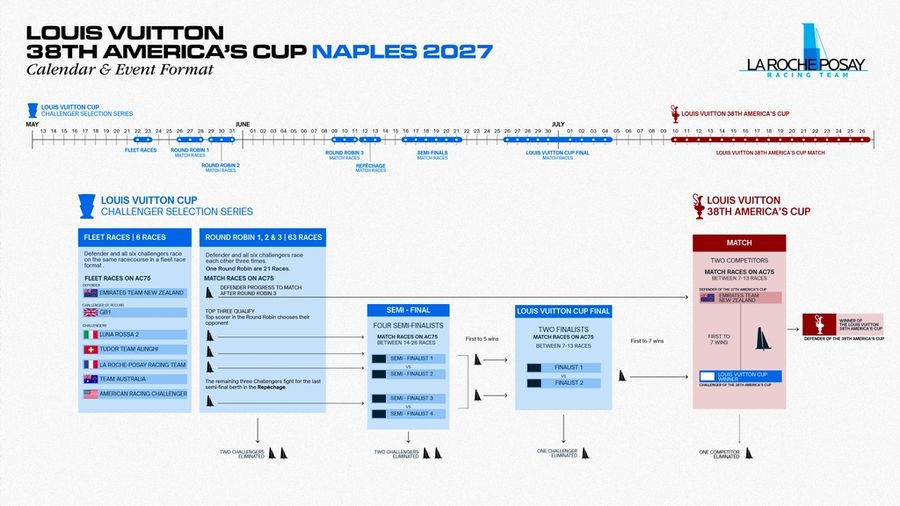
That legacy will find new resonance when Naples plays host not only to the second Preliminary Regatta but to the Louis Vuitton Cup and the Louis Vuitton 38th America's Cup itself.
When the seven competing teams sail out onto the bay, they will be racing across some of the most historically weighted water in the Mediterranean world. With Castel dell'Ovo at the edge of the course and a skyline shaped by centuries of seafaring, the Louis Vuitton 38th America's Cup would be hard pressed to find a more fitting home.