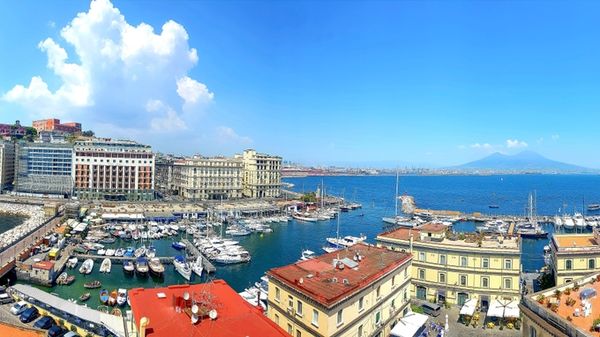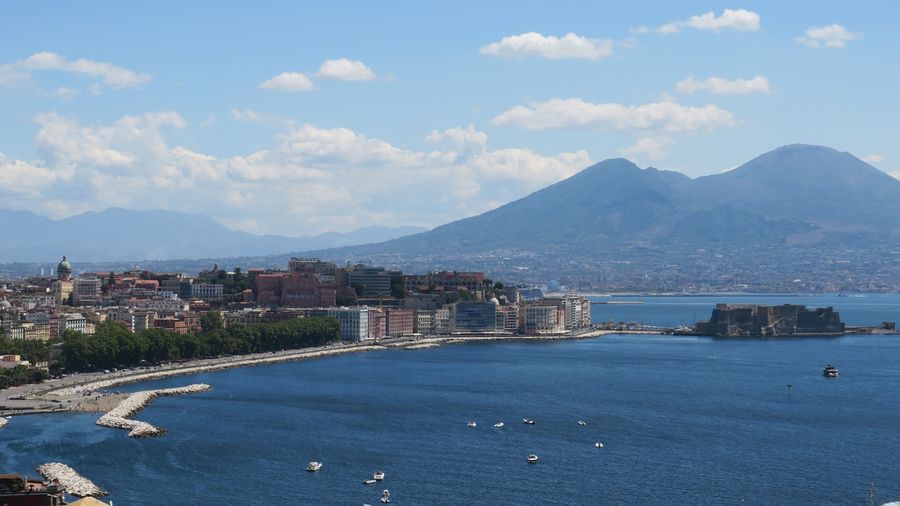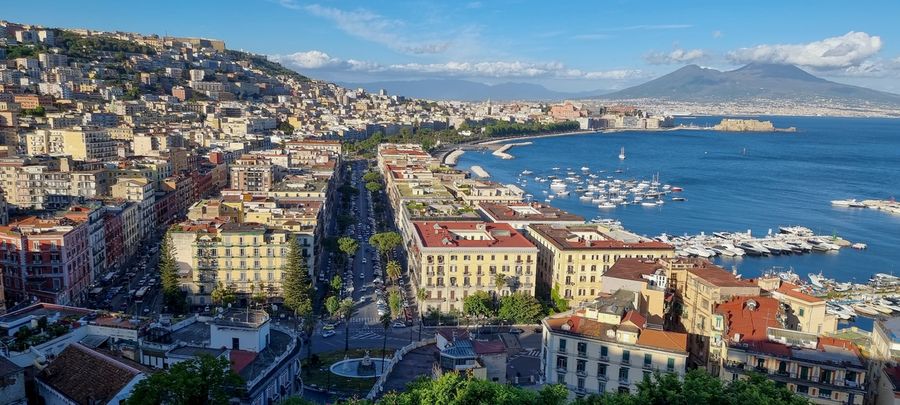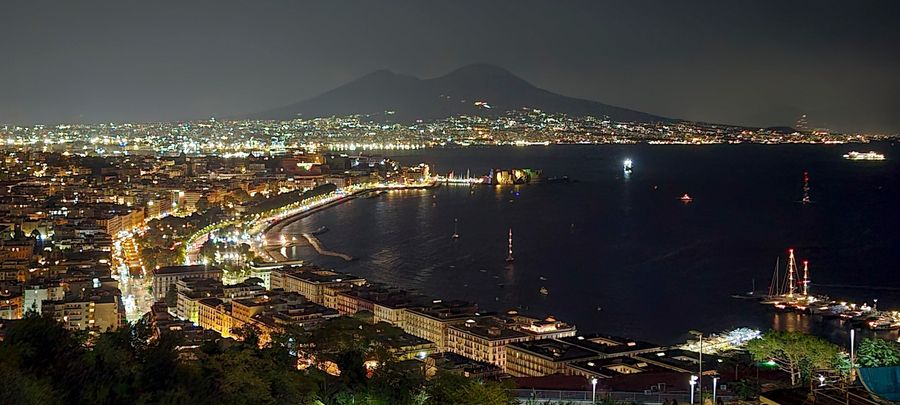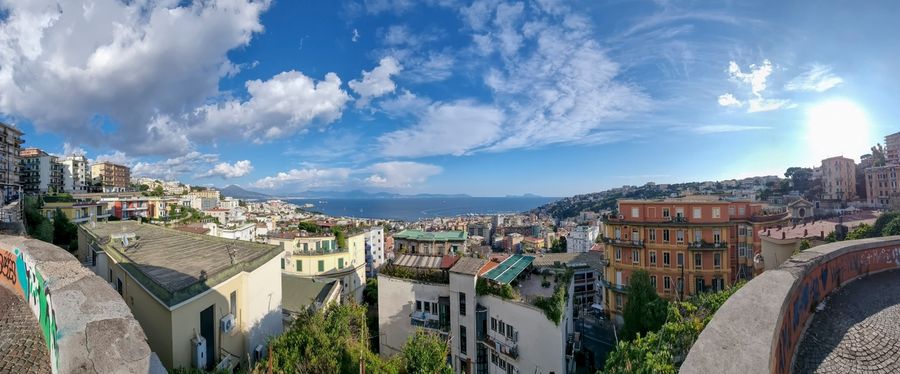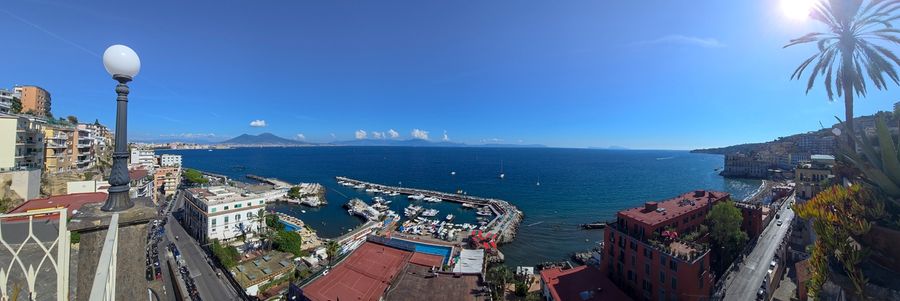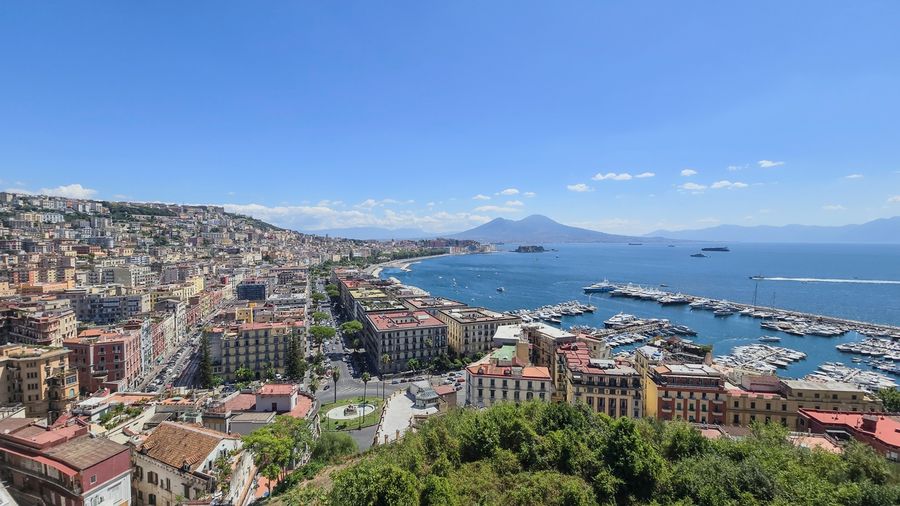
Few sporting venues can make a genuine claim on a city's soul. Naples makes that claim without effort. The Gulf curves around it, the Lungomare stretches along its edge, and the hills rise sharply behind the waterfront, shaping the whole city into something that functions like a natural amphitheatre. The water below has always been a stage, whether or not competition is taking place.
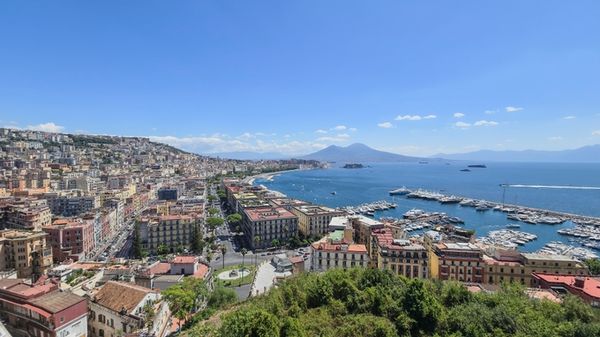
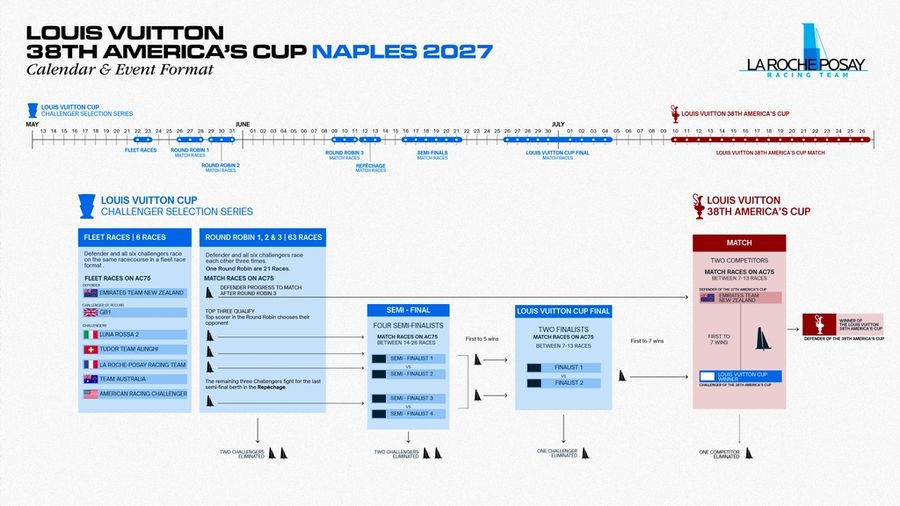
From 24 to 27 September, that stage will host the Louis Vuitton 38th America's Cup Preliminary Regatta, the second stage of the Road to Naples 2027. The full journey concludes with the Louis Vuitton 38th America's Cup in 2027, and when racing comes to Naples it will unfold in the waters off Lungomare Caracciolo, between Castel dell'Ovo and Rotonda Diaz. Long before the iconic AC75 class arrives for the main event, this preliminary regatta brings America's Cup competition directly into the visual heart of the city.
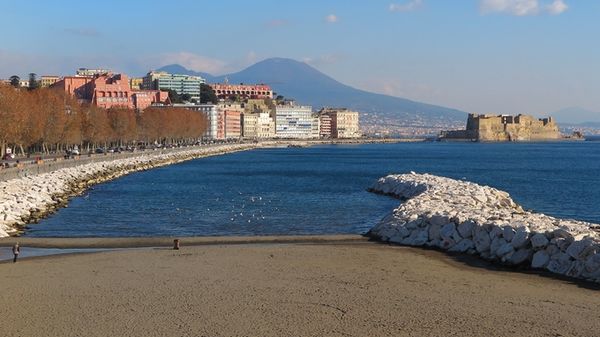
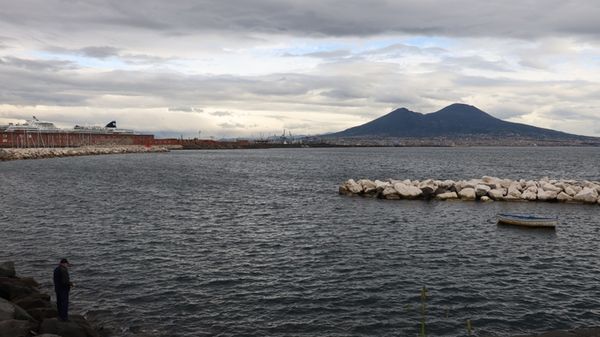
The case for Naples as an America's Cup venue starts with the geography of its Gulf. Opening out across the Tyrrhenian Sea, this broad bay stretches between the Phlegraean coastline and the Sorrentine Peninsula, gathering Mount Vesuvius, a volcanic landscape, scattered islands, and a skyline with no equal in the Mediterranean all within a single view. Sea, city, and landscape have shared this setting across centuries, and the result carries a weight that feels accumulated rather than arranged.
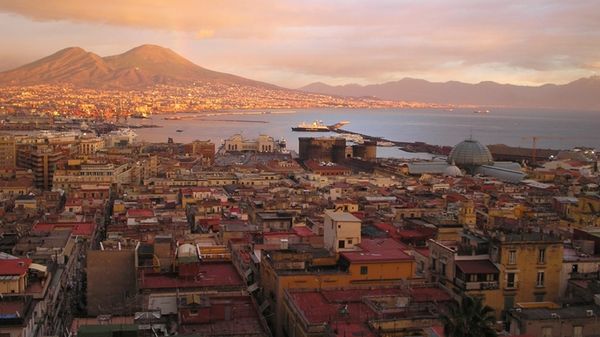
That relationship between Naples and its Gulf reaches back to the city's earliest days. Ancient Neapolis took hold on a plateau poised between the shoreline and the first rising hills, and the city spent the centuries that followed pushing steadily outward from the waterfront toward higher ground. Through every phase of that growth, the bond with the Gulf was never broken. If anything, each new layer of the city deepened it, until sea and streets became genuinely inseparable parts of the same fabric.
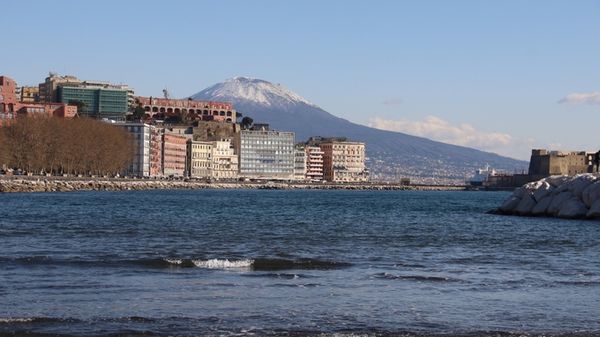
The evidence of that continuity is not hard to find. Along the waterfront, the historic centre, Chiaia, Santa Lucia, and Lungomare Caracciolo each maintain a direct and living connection with the water. Climb higher and the perspectives shift and multiply. Pizzofalcone, the Vomero hill crowned by the Certosa di San Martino, and Posillipo each deliver entirely distinct views across the Gulf, one layered upon another. These are not simply pleasant lookouts. They are places whose character was shaped by the same forces that shaped the city itself, the constant pull between the vertical dimension of the hills and the horizontal reach of the shore.
Naples has long had its own answer to that vertical challenge, and it is written into the city's historic stairways. Often called an "oblique city", Naples stitched its hills to its coastline through staircases, ramps, and stepped streets long before any modern infrastructure arrived. The Pedamentina di San Martino, the Petraio steps, and the Gradoni di Chiaia are far more than picturesque features of the urban landscape. They are the practical expression of how Naples converted steep, demanding terrain into something central to its identity, something to inhabit rather than merely overcome.
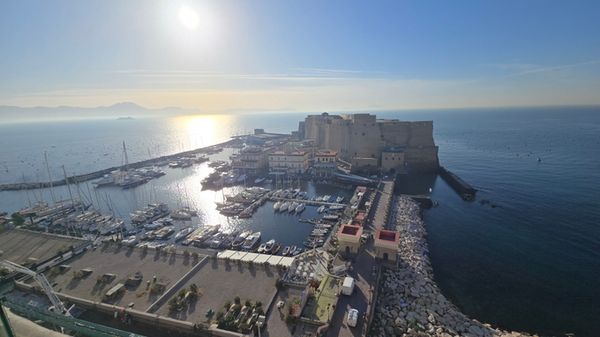
Together, these qualities give Naples a character that almost no other sailing venue in the world can match. The racecourse off Lungomare Caracciolo will not sit in front of the city like a separate entertainment. It will be set inside one of the Mediterranean's most distinctive urban landscapes, with the waterfront and the hillsides reading as one continuous backdrop. That combination is genuinely unusual, and it is what will give the Louis Vuitton 38th America's Cup Preliminary Regatta its own unmistakable atmosphere.
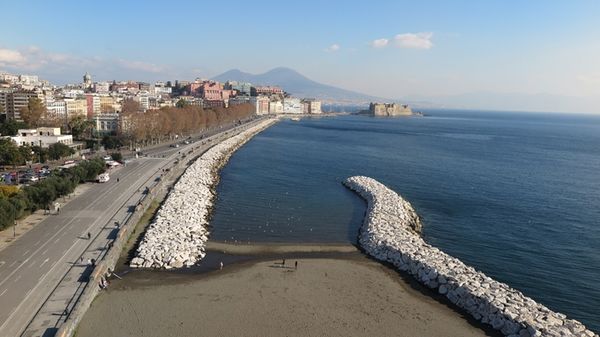
The setting alone would be enough to make Naples memorable, but the city brings something else that no geography can manufacture. Naples meets major sporting occasions with a collective energy that spills well beyond any official venue, taking over streets, squares, and the waterfront as if the event belongs to the whole population. The America's Cup World Series in 2012 and 2013 offered a vivid preview of what that looks like, with an estimated one million spectators gathering along the seafront to watch the racing. That same shared enthusiasm will be part of the Road to Naples 2027.
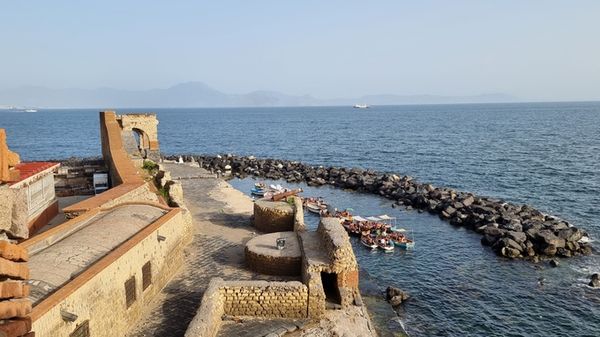
When the racing begins, the Gulf will do what it has always done for this city, hold everything in place. The waterfront, the hills, the stairways, the squares, and the crowds will arrange themselves into one vast natural grandstand around the competition. That combination of geography, centuries of layered urban history, and a public spirit that takes sporting occasions personally is what places Naples among the most extraordinary venues in the entire history of the America's Cup.