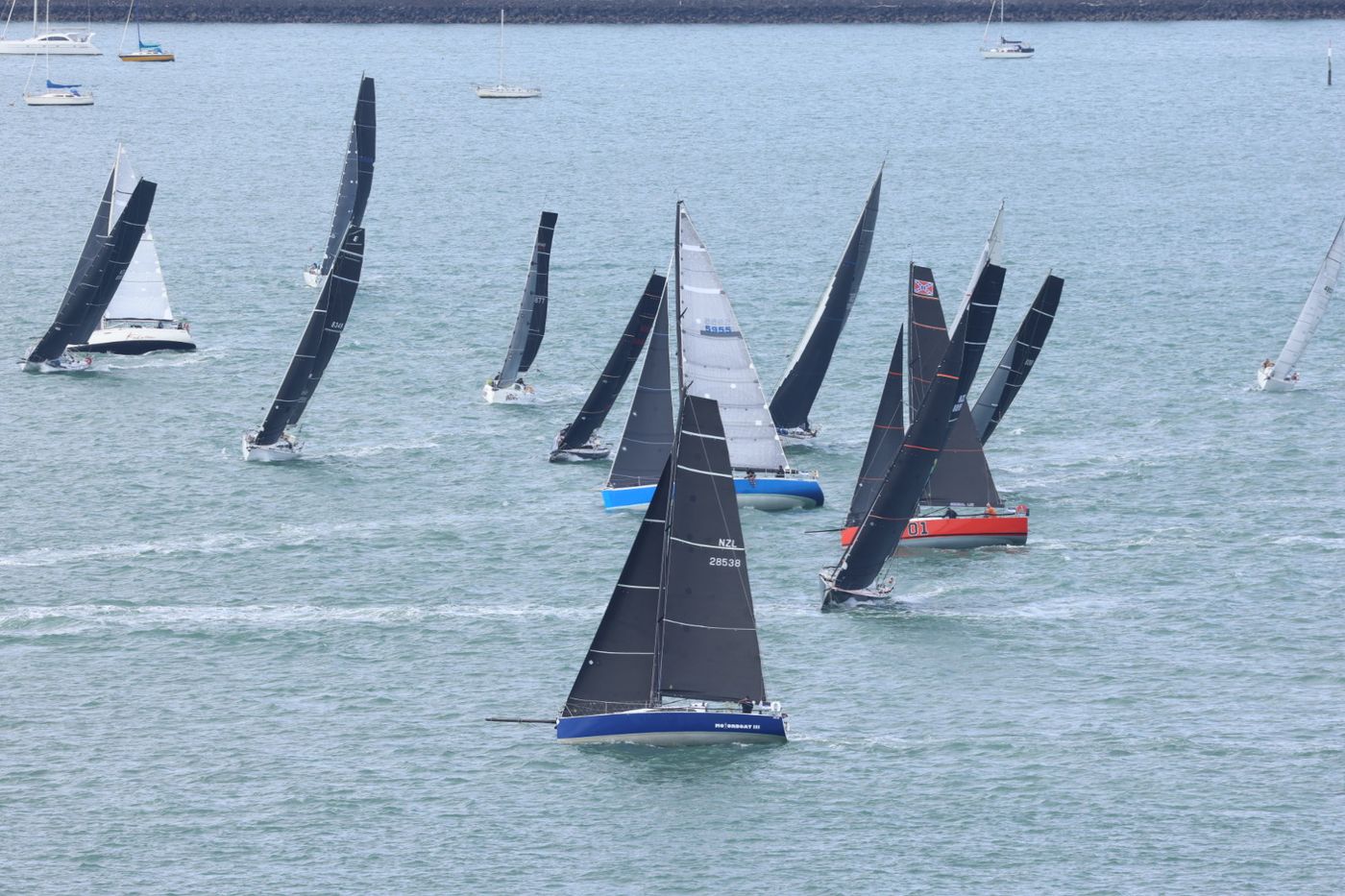
Twenty-six yachts crossed the start line off Devonport Wharf at 10am this morning, committing to the long anticlockwise loop of the 2026 Doyle Sails Round the North Island Two Handed Yacht Race. The Waitematā Harbour offered a lively welcome: a steady easterly sitting between 12 and 14 knots, with gusts occasionally nudging into the high teens, and a one-metre short-period chop rolling through that kept crews alert from the first moment.
Organised by the Short Handed Sailing Association of New Zealand (SSANZ), the Round the North Island is one of the country's foremost offshore shorthanded events. The course covers approximately 1,210 nautical miles, run anticlockwise with mandatory stopovers at Mangōnui Harbour in Northland, Waikawa at the top of the South Island, and Napier. The fleet reflects genuine variety, mixing performance-oriented offshore designs with capable cruiser-racers, a spread that adds tactical nuance from the outset and means positioning in the early miles is never simply a question of who has the faster boat.
Motorboat III made her intentions plain from the gun, surging clear of the pack and establishing an early lead. Explore Racing gave chase immediately behind her, with Vixen Racing close on their heels in third.
As the fleet moved through the harbour entrance and approached North Head, skippers committed to one of two strategic lanes. Some held close to the Devonport shoreline, while others tacked early and stood out wider toward the Royal Akarana Yacht Club side, searching for cleaner, more consistent pressure as the breeze filled unevenly across the water. The wider option gradually attracted more crews, though neither group could find an answer to Motorboat III, who held the favoured line approaching the harbour mouth and extended her advantage with each passing minute.
Explore Racing stayed within reach, pressing hard enough that she sailed uncomfortably close to the rocks at North Head. Vixen Racing, having opted for the wider angle early on, used the reach to build pace and came charging through the entrance within half a minute of the top two. The trio entered the Hauraki Gulf tightly grouped, with Motorboat III leading Explore Racing, and Vixen Racing pressing hard just behind.
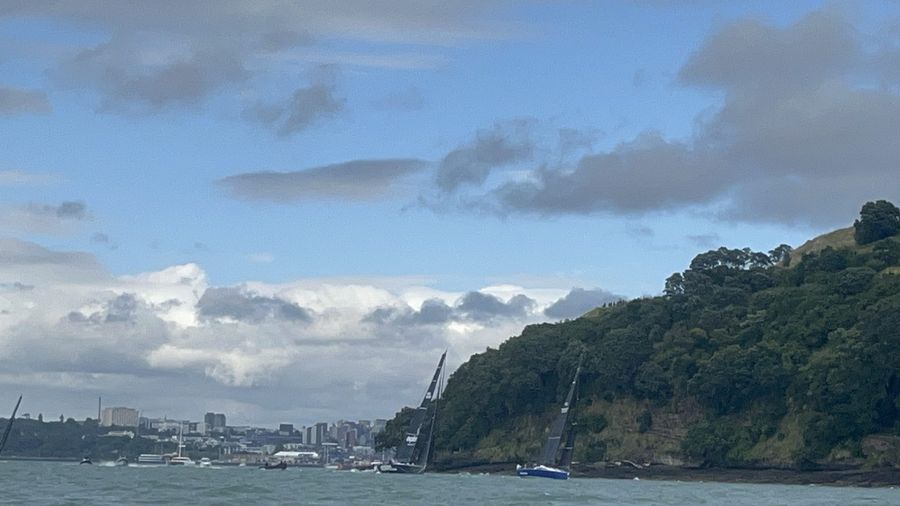
North Head now behind them, the entire fleet has turned its attention northward, following the east coast toward Mangōnui Harbour, the first significant waypoint on this demanding circuit. Leaders are expected to arrive there around Monday, though that projection depends on how long the opening easterly holds and how the synoptic pattern develops over the next couple of days. An easterly at this stage typically allows solid upwind or close-reaching progress along the coast, before conditions become less predictable further north.
Northland's coastline brings its own complications regardless of the forecast. Headlands can deflect or dramatically accelerate the breeze, and the interplay between sea breezes and the synoptic flow can rapidly compress or stretch gaps between boats. In a two-handed race, managing these variables is inseparable from the physical demands of maintaining watch systems, staying on top of sail changes, and keeping fatigue in check through the opening stages.
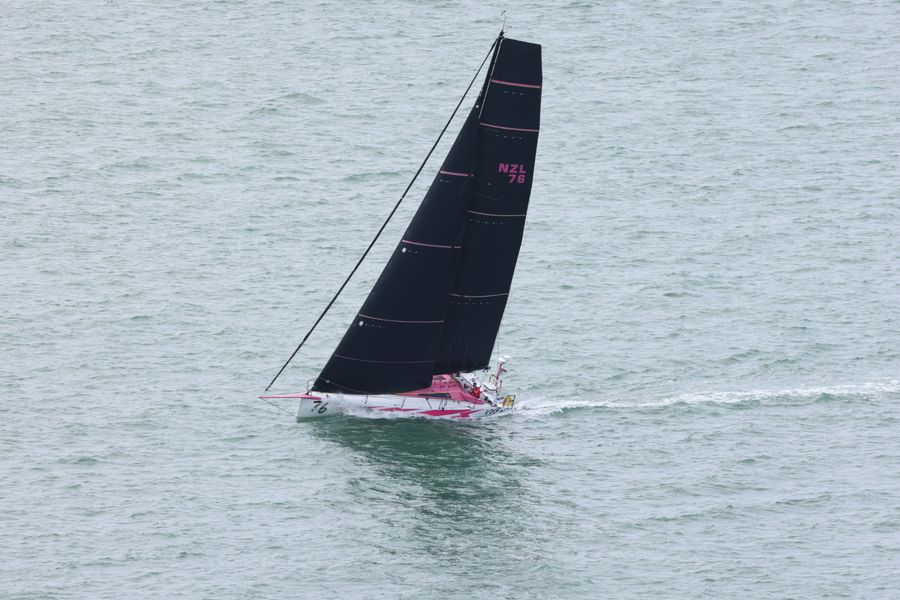
The varied nature of the 2026 fleet shapes how those decisions play out. Smaller, more manoeuvrable designs tend to handle choppy coastal transitions well, while longer-waterline boats can extract greater reward when consistent offwind pressure builds. Skippers and their crew partners will be weighing sail selection and routing options continuously as the miles accumulate. The stopover format adds another dimension to those calculations: the race rewards not just outright speed but careful management of gear and crew stamina across several days of sailing, with reliability every bit as important as pace in the early going.
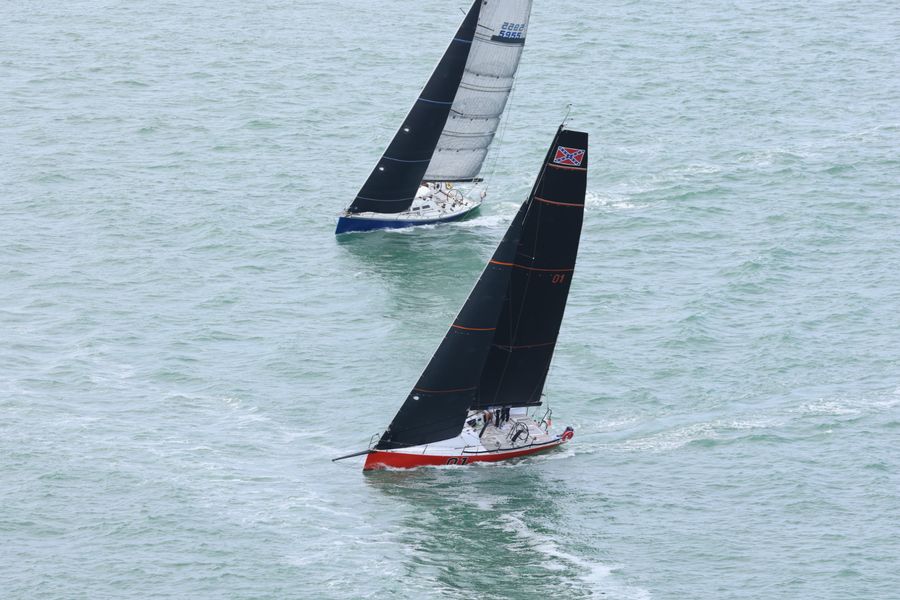
The 10am start delivered conditions that were firm but entirely manageable, giving every crew a clean exit from the Waitematā and a focused first run out to the Hauraki Gulf. That opening stretch offered each pairing a chance to settle into watch routines and get a feel for how their boat was moving before the longer, less predictable segments of the course take hold.
As the fleet spreads up the coast and the first offshore night approaches, the leaderboard will begin to tell a more complex story. The foundation, though, is a solid one: a clean start, competitive conditions, and 26 crews already deep into the work of a 1,210-nautical-mile race.