The yacht industry is dealing with a fundamental mismatch between engine technology and the infrastructure needed to support it, and recent developments from both builders and engine manufacturers bring that tension into sharp focus.
Rolls-Royce has introduced the mtu 12V2000M96Z, a 12-cylinder yacht engine that delivers 2,222hp. Rather than increasing size to achieve greater output, engineers achieved the power gain through upgraded turbochargers and revised internals, keeping the unit compact. The engine is already capable of running on HVO, or hydrogenated vegetable oil, which is now widely available at ports and can reduce CO₂ emissions by up to 90%. For owners looking to cut their environmental footprint today, HVO represents the most practical alternative fuel available.
Methanol is where much of the longer-term thinking is focused. Rolls-Royce is committing resources to methanol engine development, though Senior VP Denise Kurtulus has been candid about the obstacles, noting that supply and distribution networks remain limited. Green methanol, produced using renewable energy, is widely regarded as the sustainable end-goal, but current production volumes fall well short of what would be needed for widespread uptake across the industry.
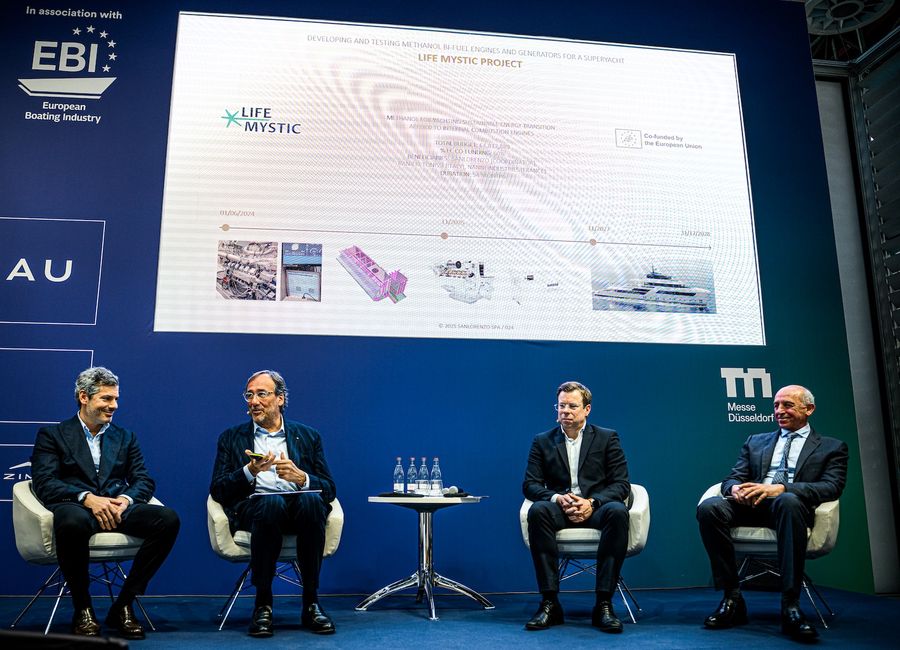
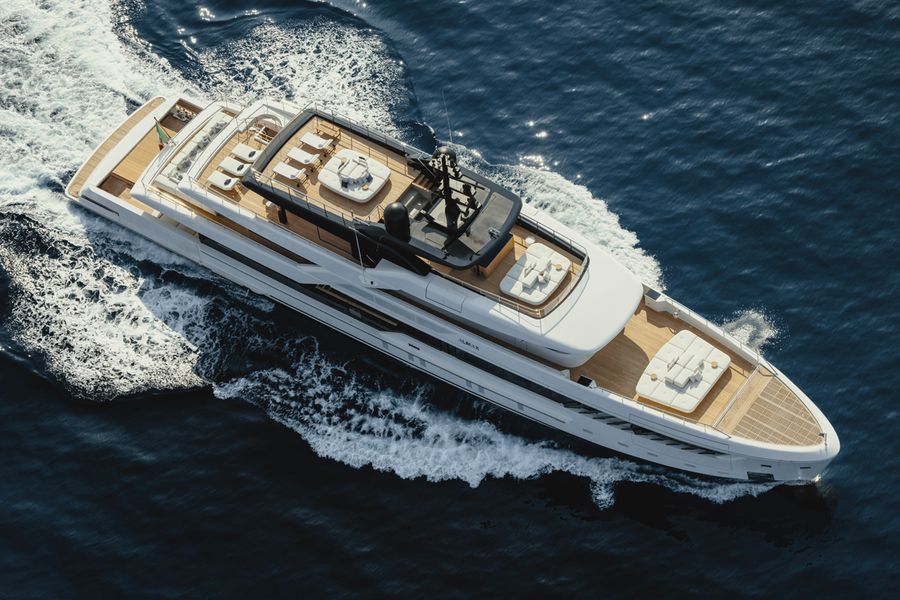
Sanlorenzo has arrived at a similar conclusion through its own planning process. The builder's new 50X-Space superyacht will be methanol-ready, yet the programme has been delayed, with the launch date pushed back from 2027 to 2029. The reason is straightforward: refuelling infrastructure needs more time to develop before a methanol-powered vessel can operate practically.
The engines are here, the fuels are coming, but the docks are not ready yet.