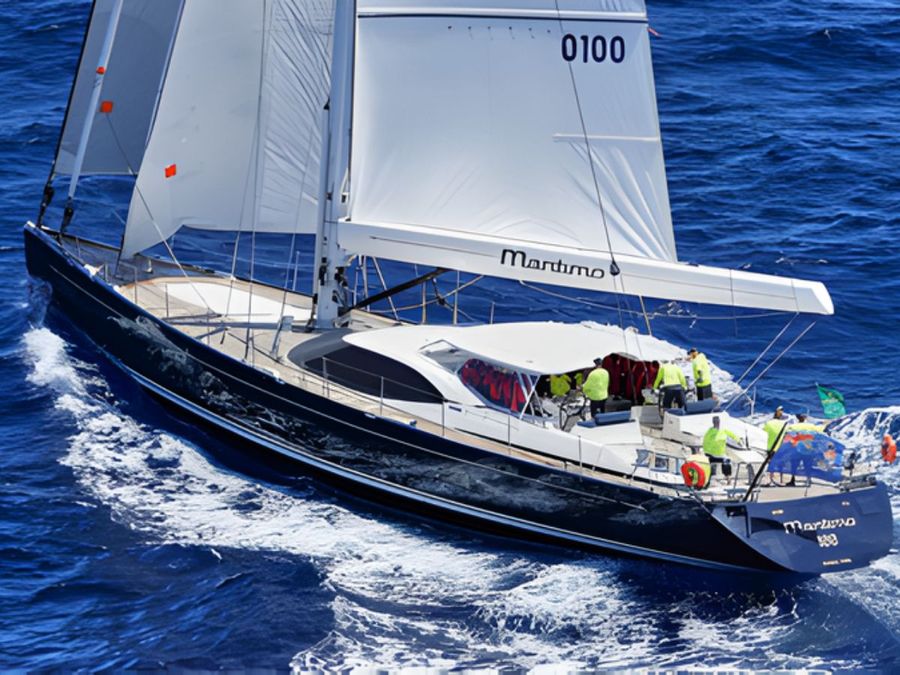
When the Sydney to Hobart Yacht Race turns serious, it offers no hiding places. Conditions expose every boat, every system, and every crew member for exactly what they are. For Maritimo 100 in 2025, that exposure came hard and fast.
The campaign ended in withdrawal during the second night, when an electrical failure made continuing impossible. On a results sheet, that reads as simple disappointment. In practice, the race delivered something the team could not have bought elsewhere: genuine, unsparing proof of what the boat was capable of, and a precise, actionable answer to where it needed work.
Before the retirement, Maritimo 100 had been sailing strongly. The conditions were demanding, the pressure was sustained, and the yacht was handling both without complaint. That is the context in which the failure needs to be understood.
*A specific failure, not a systemic one*
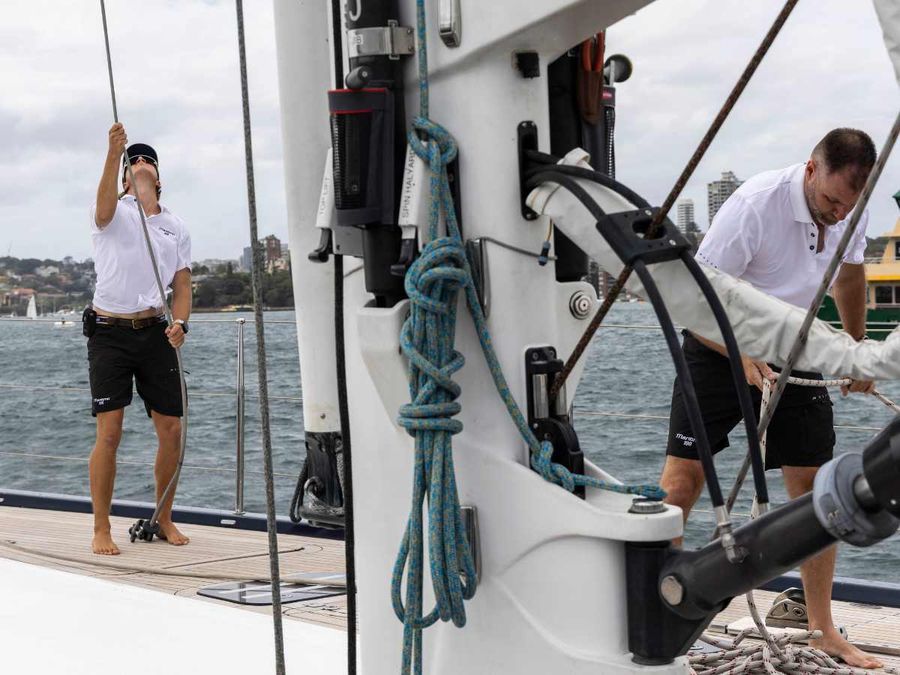
Water ingress reached the electrical switches controlling the hydraulic systems. Those switches became unreliable, causing sails to unfurl without warning and leaving the crew without dependable control of critical onboard systems. The decision to retire followed.
The failure was not a widespread electrical collapse, nor a fundamental flaw in the boat's design or engineering. It was a localised problem in a small but important component group. Once the crew identified the cause, the solution was equally clear: the affected switches will be replaced with better-protected, more robust units before Maritimo 100's next offshore campaign.
In offshore racing, that distinction carries real weight. A problem with concept is an entirely different matter from a problem with execution.
*A yacht that rose to the conditions*
For the hours Maritimo 100 was in the race, the boat performed in exactly the way the campaign had set out to demonstrate. After the fleet turned south, the conditions delivered sustained headwinds and heavy seas. This was not a question of weathering a handful of sharp squalls. The load was relentless and consistent.
Skipper Peter Jones was unequivocal about how the boat responded.
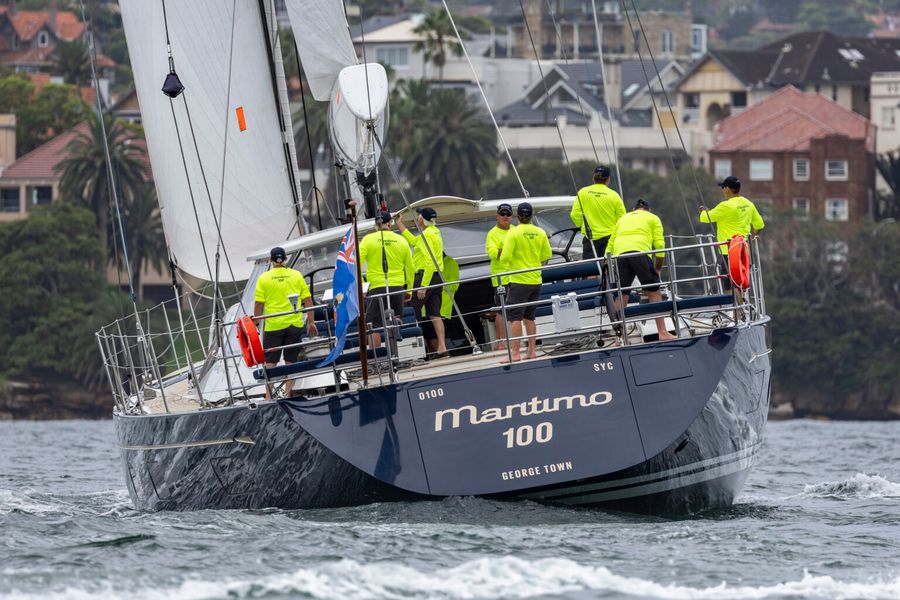
Upwind performance was strong, stability was reassuring, and the yacht's behaviour in rough water gave the crew genuine confidence. No concerns were raised about structural integrity, sail handling, or overall seaworthiness. For a yacht frequently described in terms of its comfort and volume rather than its racing credentials, those hours at sea said a great deal.
*Setting the record straight on luxury*
A recurring theme in outside commentary on Maritimo 100 had been the suggestion that a high-end cruising yacht had no real business in offshore racing. The jokes about dining tables and plush interiors were not hard to find.
What those observations missed was the reality of how the boat was actually sailed.
From the start gun, this was a committed racing programme run without shortcuts. Watch systems were maintained properly, sail changes were pushed when conditions required, and every crew member was fully engaged. Nobody was below admiring the fitout. The boat may be built with comfort and volume, but offshore it was handled with the same seriousness any credible racing campaign demands.
*Crew commitment made the difference*
The people aboard faced the same unforgiving conditions as every other boat in the fleet. Losing Christmas lunch over the side is a common enough experience in this race, and a few on Maritimo 100 were no exception. Overall, though, the team stayed strong and the effort remained high throughout.
What gives that endurance added meaning is who made up the crew. Jones and his first mate are the only permanent members aboard. Everyone else was an experienced sailor who had spent years working with this group across different boats and campaigns. None of them were there under a professional contract. They were there because they had chosen to be, because they believed in what the project was trying to achieve.
That blend of genuine experience, long familiarity with each other, and personal commitment shaped both the way Maritimo 100 was sailed and the manner in which the setback was absorbed.
*A test platform in every sense*
From the beginning, this campaign was designed around learning rather than results. Maritimo 100 functions as a development platform, not just in terms of hull and rig, but in terms of process. How does a large yacht perform under sustained pressure? How does a non-professional crew manage fatigue and decision-making when the load never lets up? Where do modern onboard systems remain vulnerable once real conditions replace testing assumptions?
The Sydney to Hobart answered those questions with unusual clarity.
The boat's fundamental concept was validated. Performance, behaviour under load, and overall seakeeping all met or exceeded what the team had hoped to see. The single point of failure was isolated precisely, without ambiguity, and it is entirely within the team's power to fix.
[gallery td_select_gallery_slide="slide" ids="163554,163555,137744,137742"]
For a campaign built around development, that is as good an outcome as the circumstances allowed.
*Looking ahead*
In the near term, Maritimo 100 moves away from racing. Extended cruising is planned, including time in New Zealand and the Pacific, giving the boat the chance to be used as designed while further refinements are carried out in the background.
Whether Maritimo 100 returns to the Sydney to Hobart will be a decision for later. The lessons from this race will inform how systems are specified, how the boat is prepared, and how future projects are shaped.
Not every meaningful Sydney to Hobart story ends at the finish line in Hobart. Some of the most useful campaigns are the ones that stop early, because they find exactly what they were looking for.