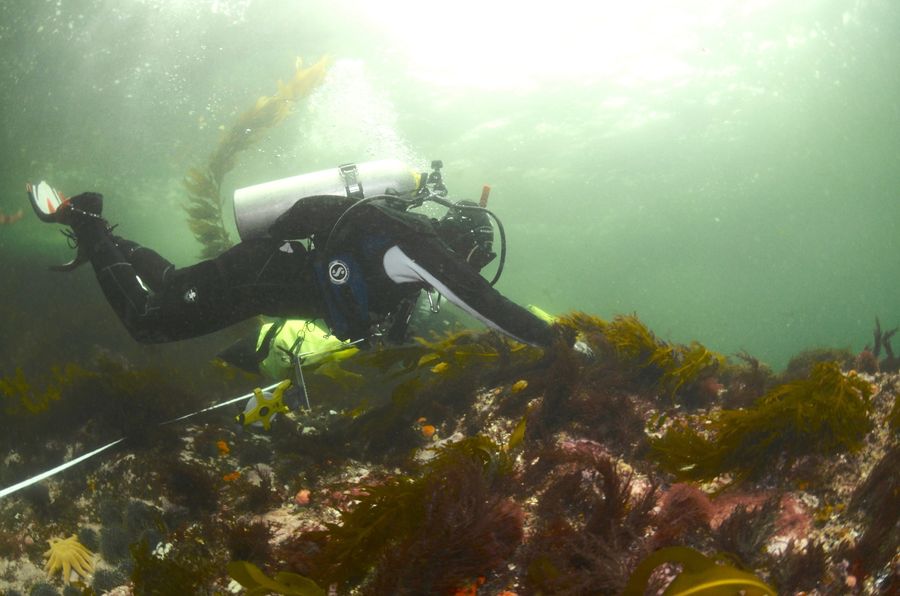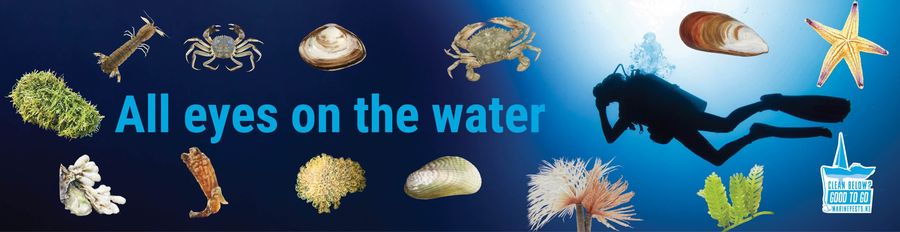
Wakame is one of the most aggressive marine invaders New Zealand boaties need to know about. This fast-growing seaweed colonises any hard surface it can find, forming dense colonies on boat hulls, shells, reefs, wharf piles, aquaculture structures, and mooring lines. By crowding out native species and robbing them of light and space, wakame could permanently change the underwater environments we treasure.
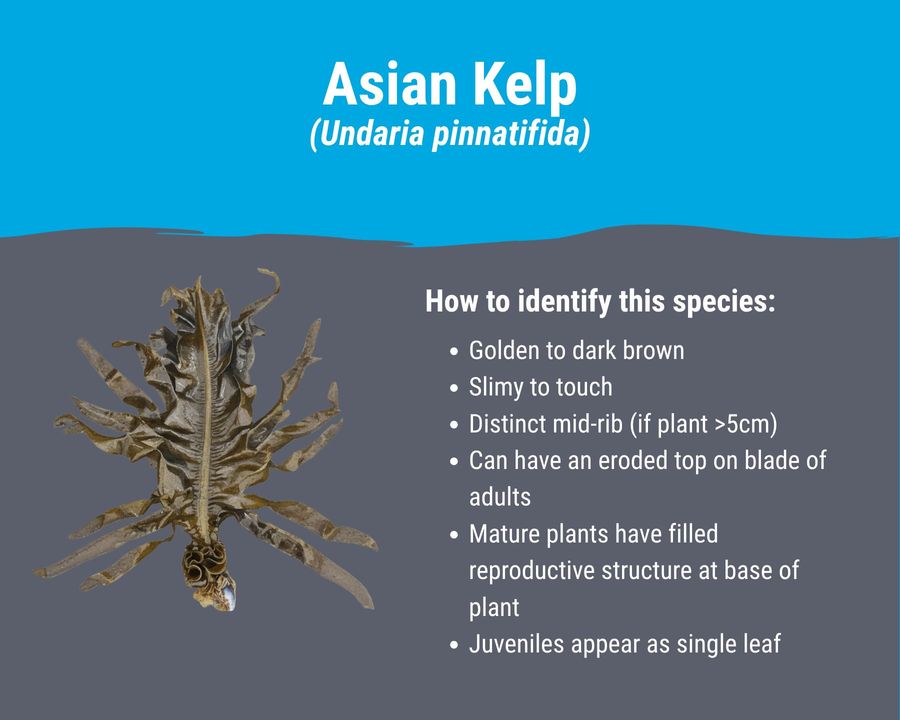
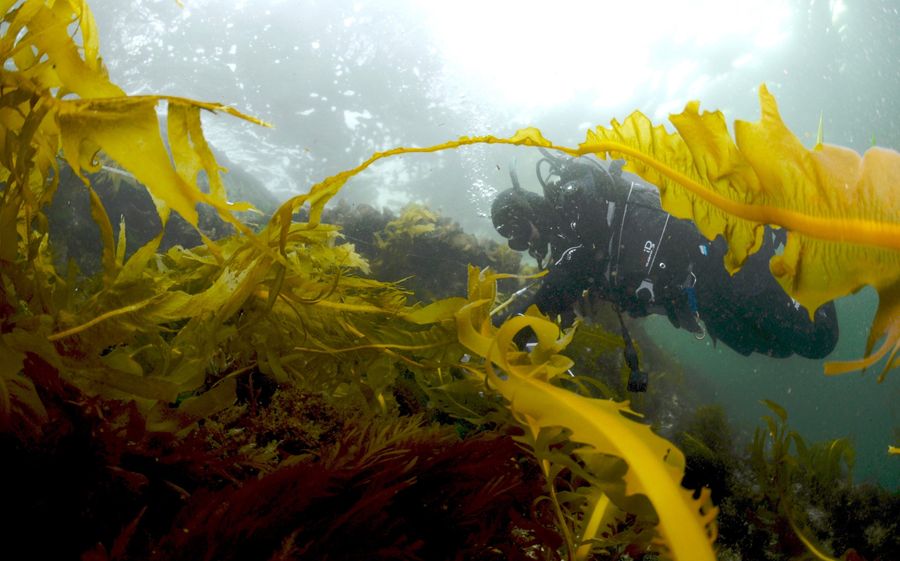
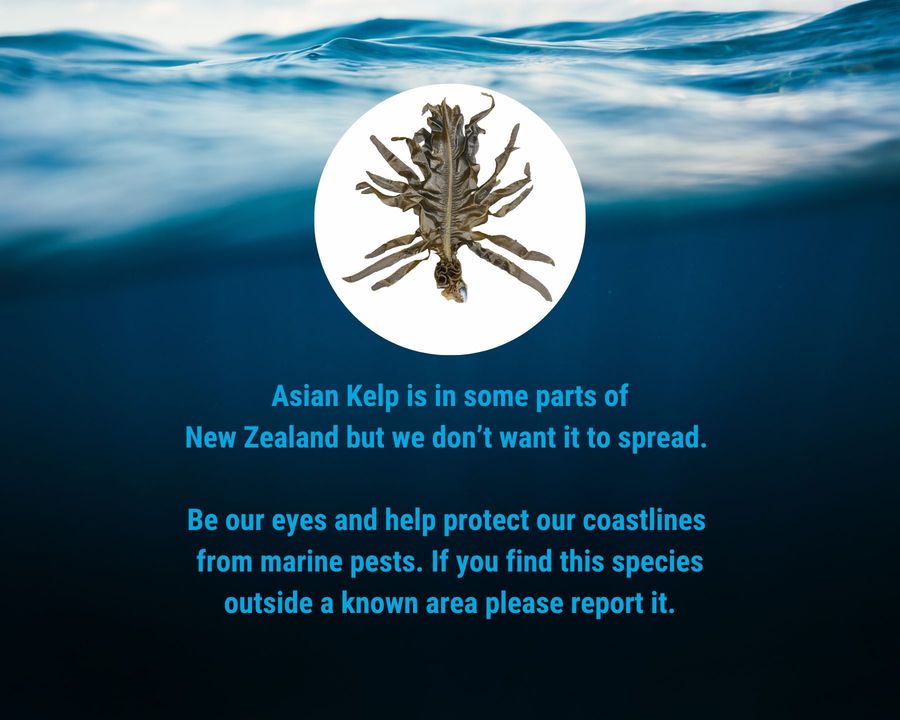
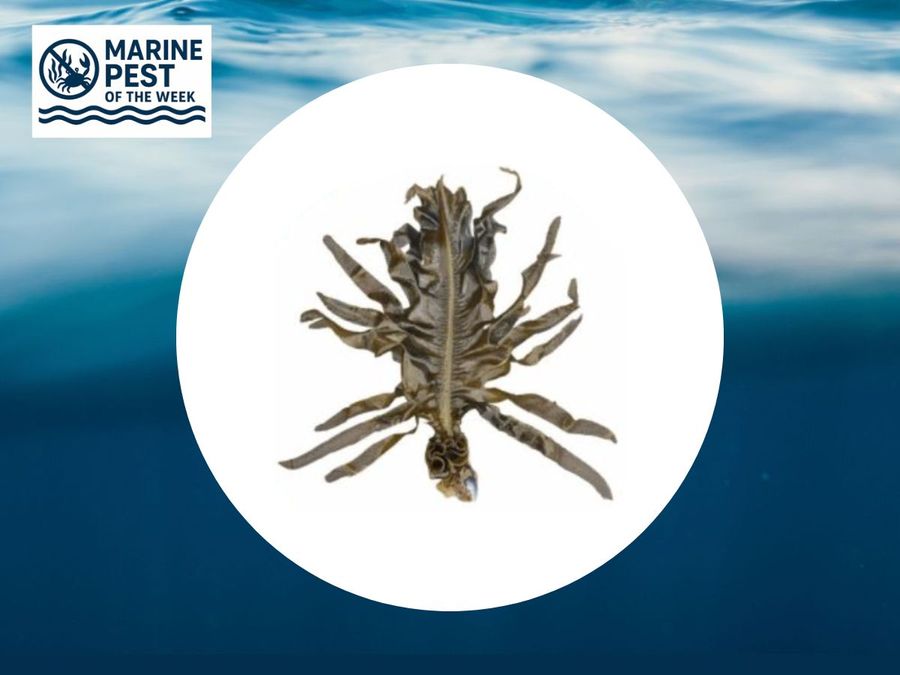
Knowing how to spot wakame is the first step in stopping its spread. Look for the following characteristics:
- Golden to dark brown colouring - Slimy to the touch - A distinct mid-rib on plants larger than 5 cm - An eroded tip on the blade of adult plants - A filled reproductive structure at the base of mature plants - Juveniles appearing as a single leaf
Wakame has already taken hold across a broad stretch of New Zealand's coastline. Known regions include Northland, Auckland, Marlborough, Golden Bay, Wellington, Canterbury, Southland, and Gisborne. Confirmed sightings have been recorded at Parengarenga Harbour, the inner Hauraki Gulf, Tauranga, Gisborne, Napier, Port Taranaki, Wellington Harbour, the Marlborough Sounds (Picton and Tory Channel), Nelson, Golden Bay, Kaikoura, Lyttelton Harbour, Timaru, Otago, Bluff, Breaksea and Dusky Sounds in Fiordland, and Easy Harbour, Halfmoon Bay, and Paterson Inlet on Rakiura/Stewart Island.
If you find wakame anywhere outside the regions listed above, please report it. This location list reflects the best available knowledge at the time of publishing. For a full and current list of marine pest locations, consult the Marine Biosecurity Porthole.