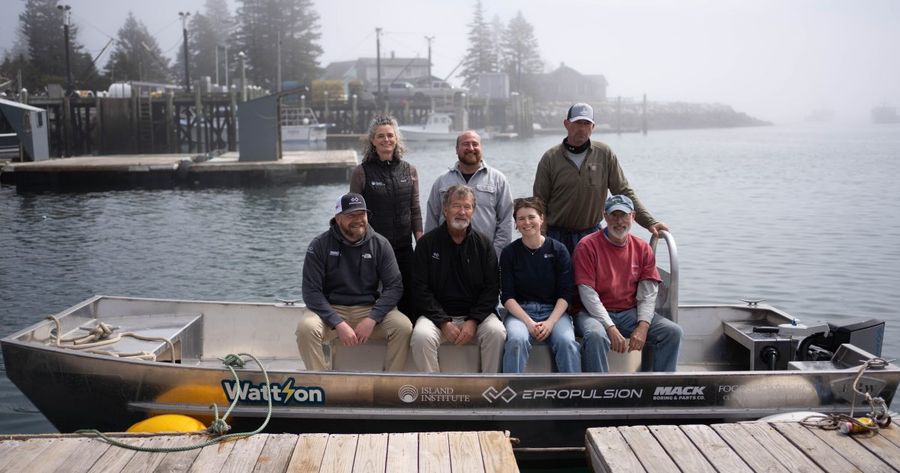
A 16-foot aluminium alloy skiff called Wattson has become the first high-voltage workboat used by Maine lobstermen, fitted with ePropulsion's X-20 motor powered by a G230 23.5kWh battery.
The vessel was launched through a partnership between Maine non-profit Island Institute, Spruce Head Fisherman's Co-op, Fogg's Boatworks, and ePropulsion, with Mack Boring & Parts serving as North American distributor. Wattson now supports daily operations at the Spruce Head Co-op, towing lobster crates and moving crew and gear around the harbour.
The boat moves up to three tonnes of lobster to the dock for wholesale distribution and spends most of its time running below 5 mph, though it can reach planing speeds of 13 mph. The high-torque motor keeps power consumption low. The vessel can run for several days on a single charge before being recharged overnight on standard 110 shore power.
Island Institute has supported the transition of more than 20 vessels to electric over the past five years. The electric boat initiative is funded by Builders Vision, Maine Technology Institute (MTI), the State of Maine, and corporate sponsors.
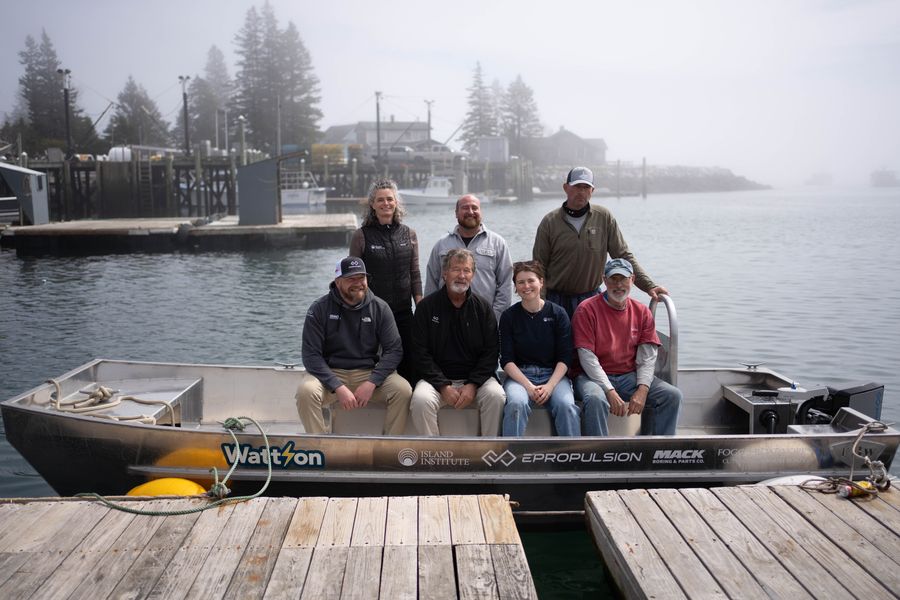
"We're excited to be a part of this momentous milestone in the commercial use of electric propulsion technology in Maine," said Tom Watson, President of ePropulsion Americas. "We're grateful to Island Institute for initiating this project and all of the partners involved for their trust in ePropulsion to help get the job done, cleanly and safely. We look forward to proving that our advanced, sustainable electric power and propulsion can continue to lead the way on the water in both recreational and commercial applications."
"Launching Wattson marks a historic first — not just for Maine, but for commercial fishing operations around the world looking for a model that works on the water today," said Lia Morris, Senior Community Development Officer of the Island Institute. "Our mission has always been to help coastal communities thrive, and that means meeting fishermen where they are. ePropulsion gave us the technology to do that without compromising what matters most — reliability, performance, and supporting climate adaptation in heritage industries."
"It has been great to see all of the different partners come together on this venture and we can't wait to put this vessel to work at the Co-op," said Jarod Bray, Spruce Head Co-op and active member of the Maine Lobsterman's Association. "Fishing is an important part of our communities, and managing it responsibly is key to keeping it sustainable long term. Taking small, gradual steps to incorporate new technology, where it fits, can help us better understand how these tools can work within our fishery and support livelihoods for generations to come."
"We are thrilled to have been selected to design and build the platform for this exciting project," said Patrick Fogg, President of Fogg's Boatworks, LLC. "Our skiff was designed to be a classic, simple, and versatile work platform, specifically engineered to integrate and perform well with the ePropulsion X-20 system and the commercial applications required by the Spruce Head Fishermen's Co-op. The performance and design of the X-20 system were very impressive. We believe this package has a wide range of uses for co-ops like Spruce Head, boatyards, marinas, and many other commercial applications that demand durability, efficiency, and low-end power."
Island Institute is also working to expand shore-side charging infrastructure and raise the profile of electric propulsion in commercial fishing, with the aim of strengthening the resilience of Maine's coastal communities.