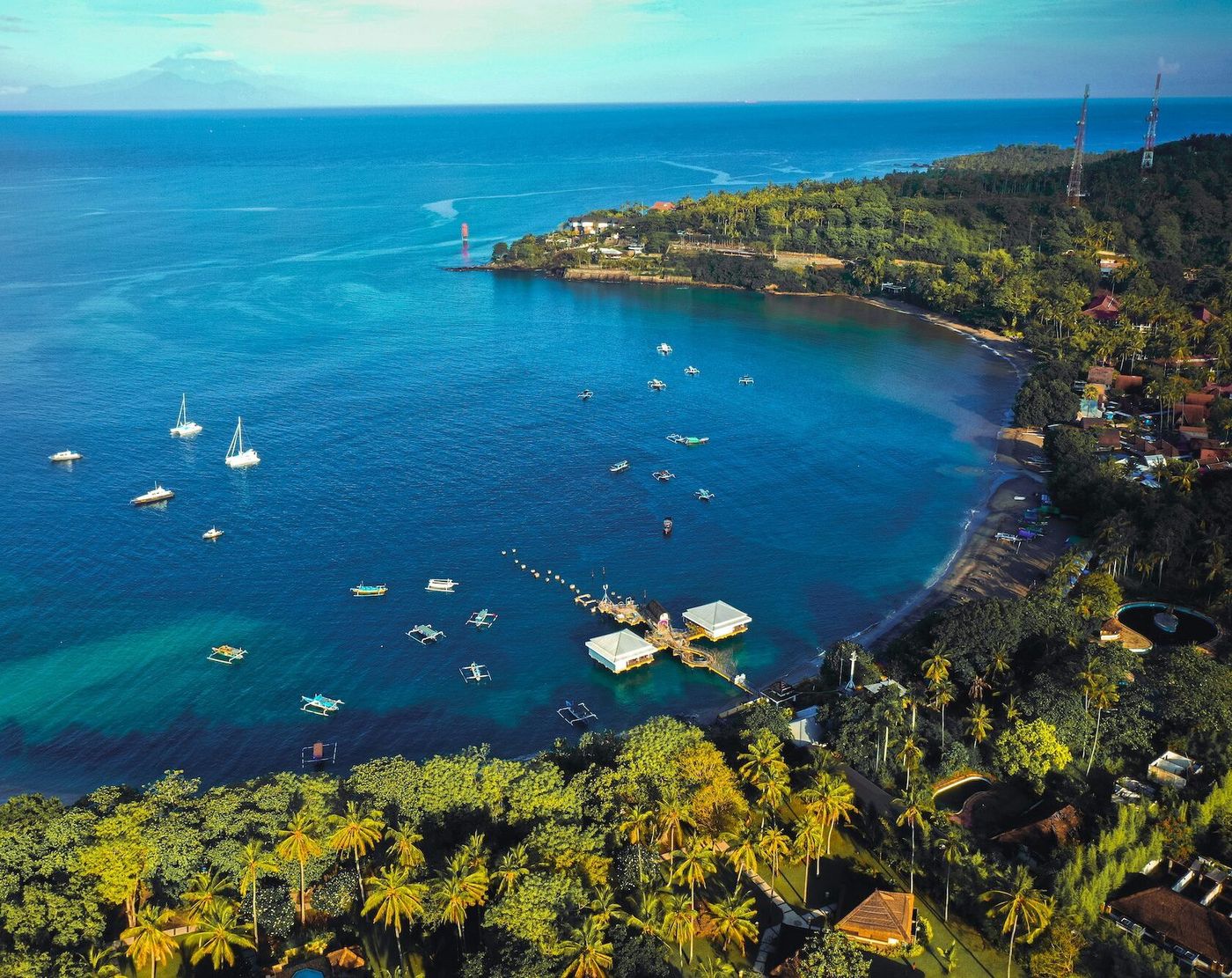
Bali casts a long shadow across this part of Indonesia, and Lombok has quietly thrived in it. While the more famous island absorbs the package tours and the Instagram crowds, this lesser-visited neighbour has built a loyal following among New Zealand and Australian yacht owners who prize uncrowded anchorages, exceptional diving, and the particular satisfaction of exploring a coastline entirely on their own schedule.
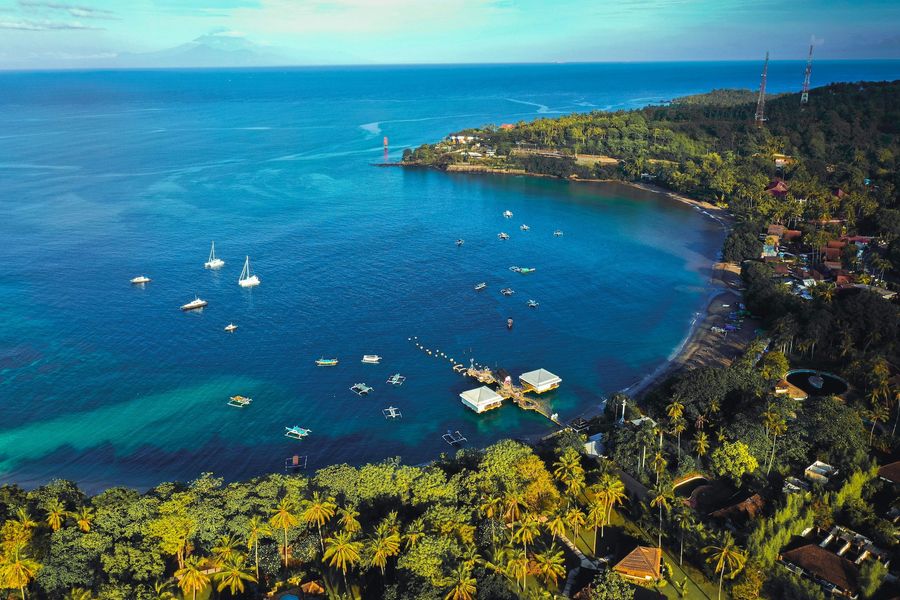
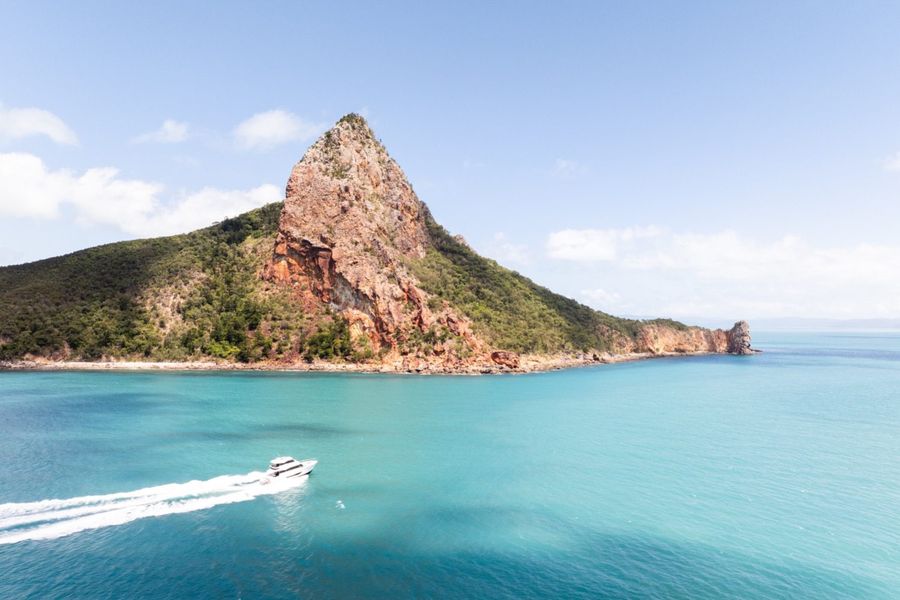
Medana Bay Marina, positioned on Lombok's northwest coast, functions as the island's official international port of entry. Sheltered berths, fuel and freshwater supplies, and on-site customs facilities make it a well-organised base from which to plan whatever comes next. For many owners it serves as a staging point, either for island-hopping across to the Gilis or for pushing further east toward Sumbawa. The genuine discoveries, though, tend to happen well beyond any marina's breakwater. The northern and eastern coastlines are scattered with secluded coves that offer the kind of settled, unhurried anchorage that purpose-built cruising yachts were always meant to reach.
The diving and snorkelling here hold their own against Indonesia's most celebrated underwater destinations. Coral gardens, sea turtles, and dense concentrations of reef fish are all accessible by tender from a comfortable anchorage. A short passage brings the Gili Islands within easy reach, a trio of quite distinct destinations. Gili Trawangan carries the most animated beach scene, Gili Air settles into a quieter rhythm of cafes and relaxed afternoons, and Gili Meno suits those who came specifically for glassy, peaceful water. Nusa Penida is worth the longer day trip, with manta rays congregating at Manta Point and the island's sheer coastal cliffs providing a dramatic backdrop that stays with you.
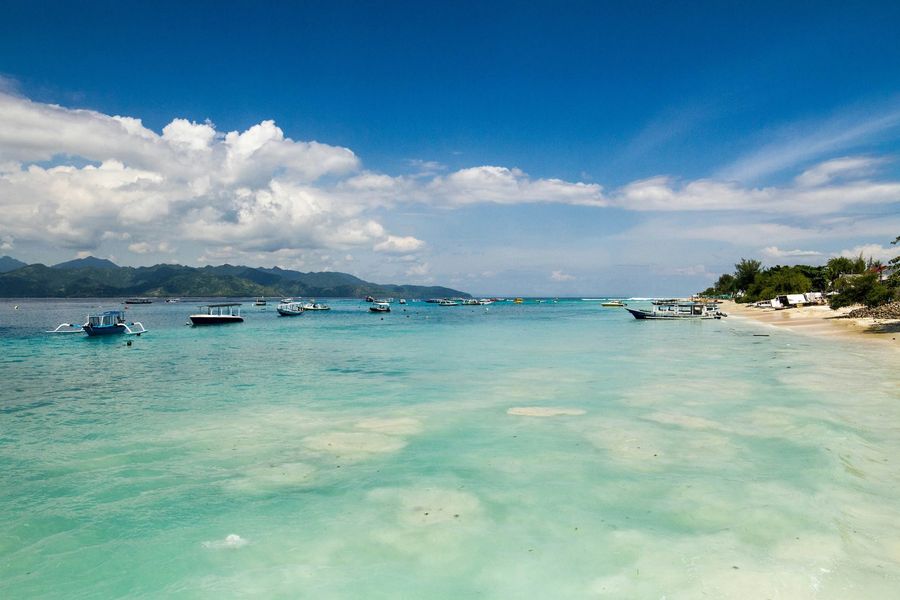
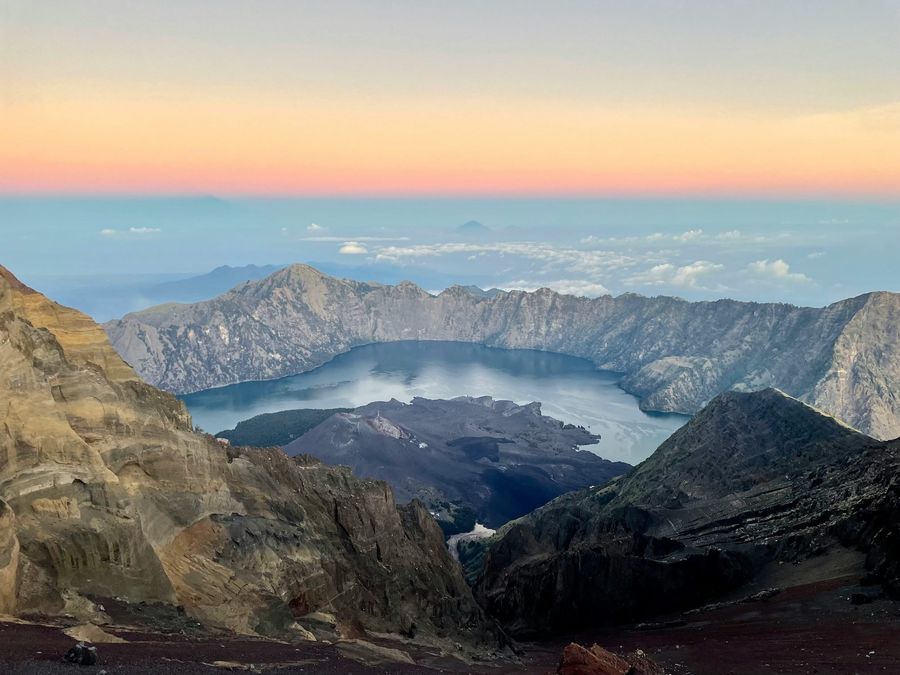
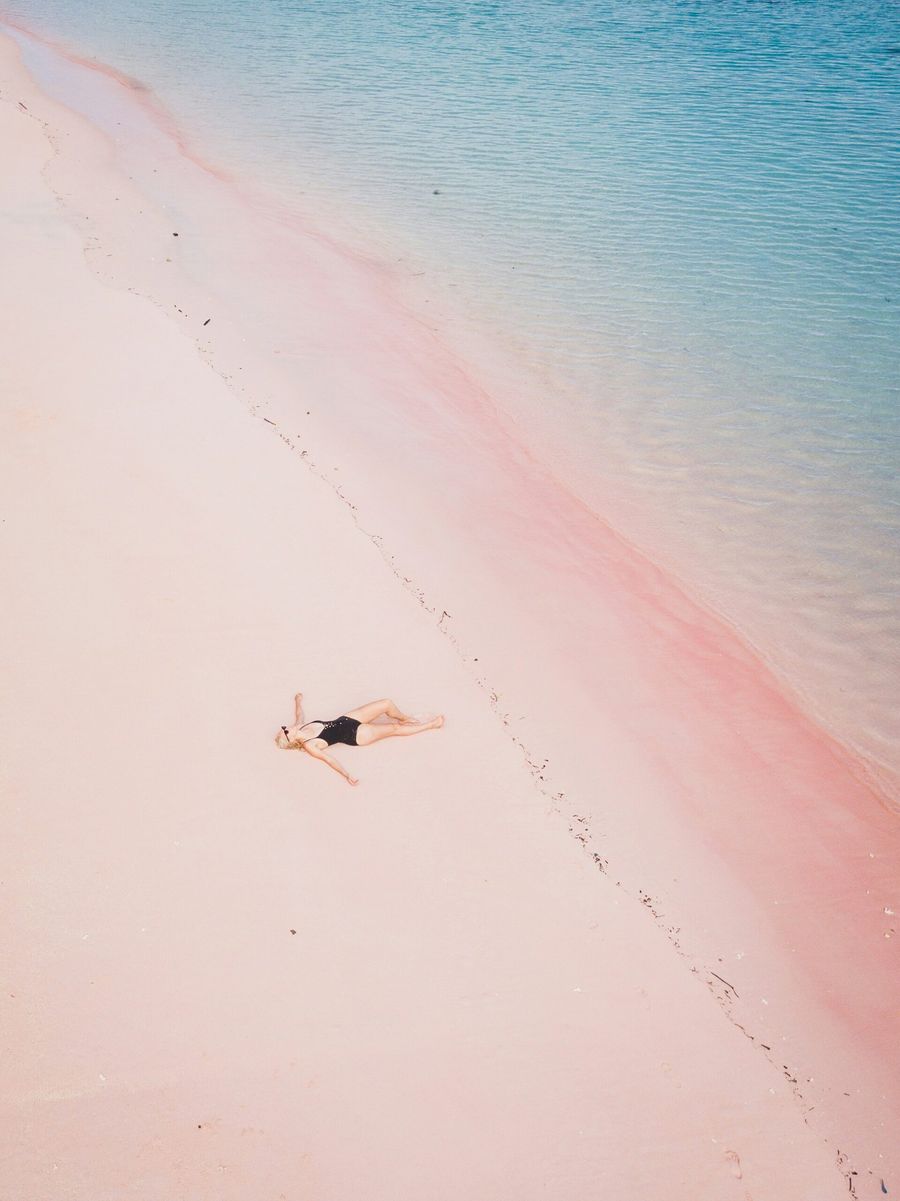
On land, Mount Rinjani dominates the skyline with a presence that is almost impossible to ignore. The full summit traverse is a serious multi-day commitment, but shorter walking routes deliver sweeping views across volcanic lakes without requiring an expedition-level effort. The waterfalls at Senaru, reached along jungle trails that feel genuinely remote, are worth the walk. Pink Beach earns its name through simple geology, its shoreline tinted by crushed red coral blending into white sand, and it remains one of those places that rewards arriving by sea rather than grinding up a dusty road.
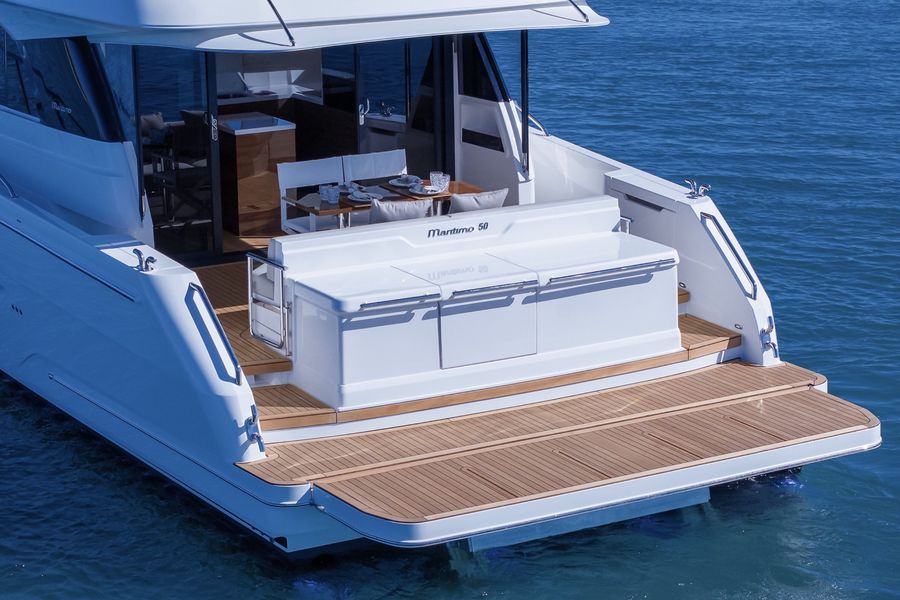
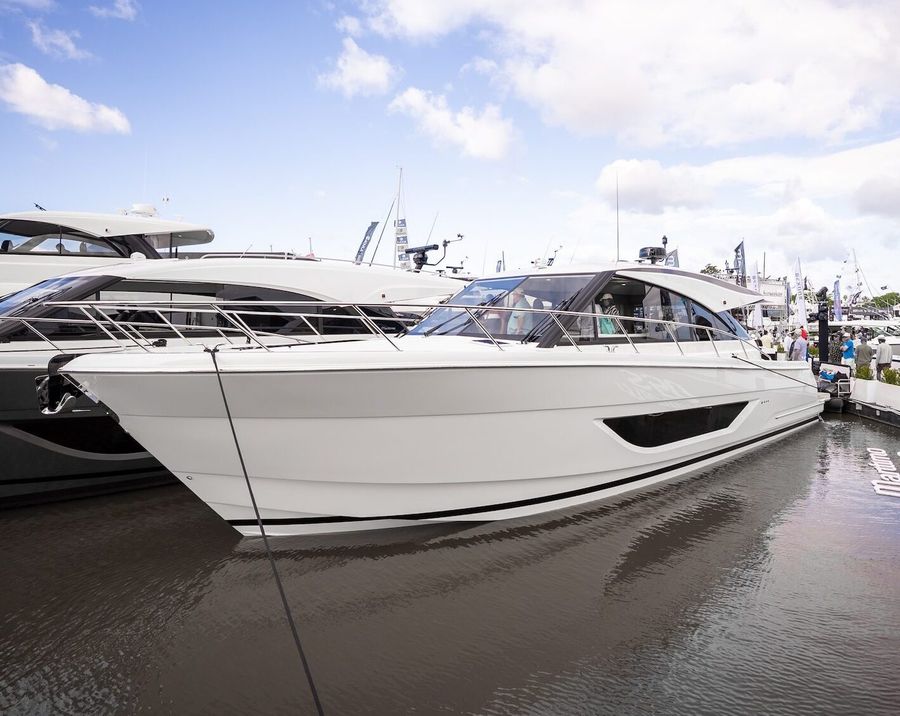
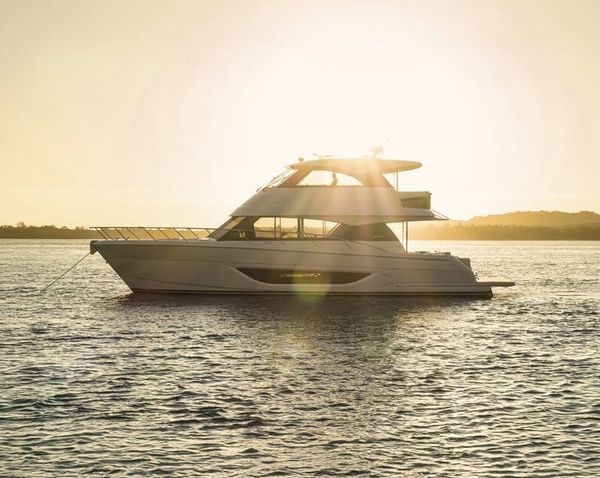
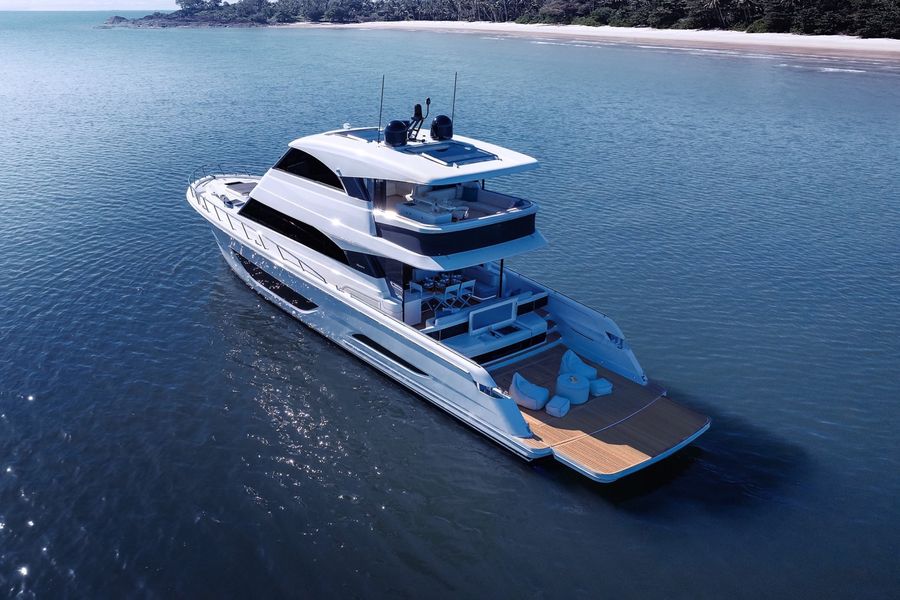
Getting full value from a cruising ground like Lombok depends significantly on the vessel you bring to it. In sustained tropical conditions, an enclosed flybridge makes a real practical difference, shielding the crew from relentless sun and the squalls that materialise with little warning, while keeping sightlines clear. Walk-around decks, a properly fitted out galley, and genuine stowage capacity are the details that separate boats built for extended bluewater passages from those that merely suggest the capability.
What Lombok offers is a version of Southeast Asian cruising that is increasingly difficult to find anywhere in the region: self-directed, unhurried, and sufficiently removed from the tourism infrastructure that has transformed so much of its neighbourhood. The island has a particular way of rewarding those who arrive by water and find, almost without deciding to, that they have stayed considerably longer than originally planned.