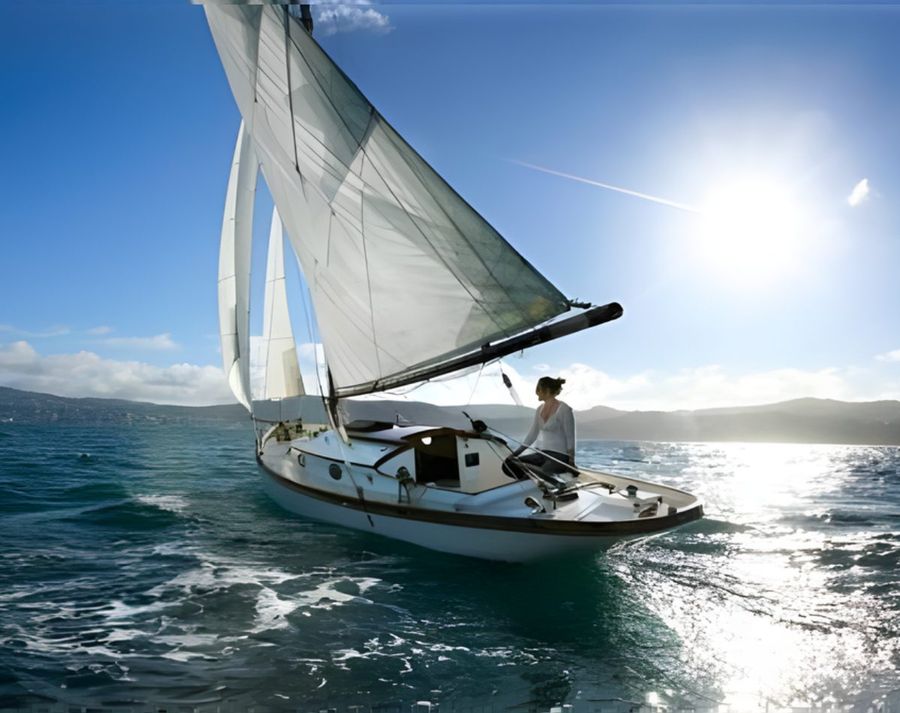
There are vessels that carry history the way others carry ballast, deep in the hull and impossible to separate from what the boat is. Loloma is one of those vessels.
Built in 1909 by Auckland boatbuilder JJ O'Rorke, this gaff-rigged keel cutter did not begin life under the name she is known by today. She was launched as Waratah, but the loss of the Australian express liner sharing that name cast a long enough shadow to make a change unavoidable. She was renamed Loloma, a Fijian word meaning love or mercy. The name suits her well.
Even within the company of Auckland keel yachts from her era, Loloma attracted attention. While her contemporaries tended to share broadly similar hull forms, she came with a short counter, a beam generous for her length, and a cod's head and mackerel tail hull form that drew comparisons to the New England knockabout type. Some researchers have traced her design back to the pages of Rudder magazine. Her double diagonal kauri hull was finished in clear varnish when new, and photographs from those early decades show her carrying an impressive spread of canvas.
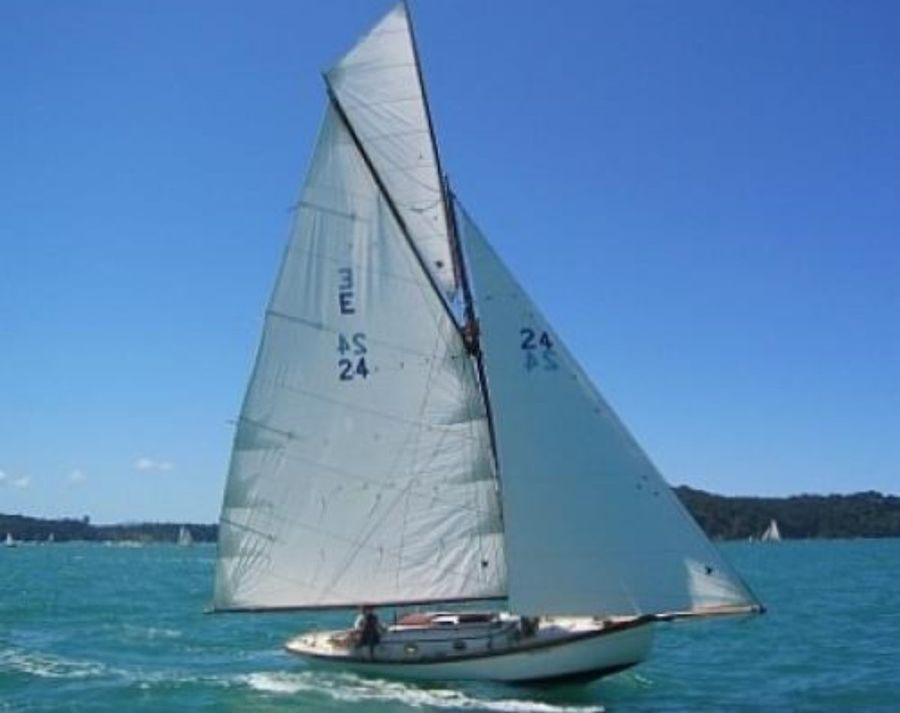
The years brought their share of difficulty. From 1911 to 1919, Loloma was based in Whangarei, sailing for part of that time under the name Waireka. In January 1915, while racing in Auckland, she was T-boned on the starboard side and cut down to the waterline. The repairs carried out in the aftermath were inadequate, and a twist became locked into the hull that would prove stubborn for decades. Addressing it properly required a significant restoration, including a new deck and two additional skins laid over the existing hull. That work was undertaken by Auckland maritime historian Harold Kidd, a man whose knowledge of these old vessels was considerable. Kidd choosing to direct his skill and attention toward Loloma speaks to her quality and character. She stands today as a genuine surviving example of Auckland's 4th Class, or E Class, fleet as it raced through the first four decades of the twentieth century.
The rig Loloma carries is entirely traditional: two headsails, a staysail, a mainsail, a topsail with two spars, and a spinnaker pole. When the wind falls short, a Volvo 10hp diesel turning a folding MaxProp takes over. Below decks, a modern marine toilet is fitted with a holding tank, and a battery bank is kept charged by a movable solar panel. A recent haul-out has seen her freshened up with new antifouling, prop speed treatment, hull polish, and a freshly serviced engine.
Specifications
Year: 1909 Builder: JJ O'Rorke, Auckland Type: Gaff-rigged keel cutter Hull: Double diagonal kauri, with additional skins added during restoration Length: 8.53m (27.99ft) Engine: Volvo 10hp diesel Propeller: Folding MaxProp Sails: Two headsails, staysail, mainsail, topsail, two spars, spinnaker pole Toilet: Modern marine with holding tank Electrical: Battery bank with solar regeneration Location: Northland, New Zealand
At 116 years old, Loloma offers something that cannot be built from scratch or bought off a production line: a direct, tangible connection to the origins of New Zealand yacht racing and the timber boatbuilding tradition that defined Auckland's waterfront. By all accounts, she remains a genuine joy to sail.
Loloma is currently located in Northland and is available through Vining Marine, asking $29,000. For a boat of this age, provenance, and character, that is a rare opportunity.