Kiwi craftsmanship is now written into the story of two of the ten largest sailing yachts on earth.
New Zealand's marine industry has never been shy about punching above its weight, and the latest global rankings from SuperYacht Times have made that point vivid once more. Two of the ten biggest sailing yachts in the world carry tenders built at Lloyd Stevenson Boatbuilders in Auckland, a fact that points to something deeper than good timing or geographic luck.
For any workshop, association with a single record-breaking yacht would be something to talk about for years. Being woven into the fabric of two such vessels points to a consistency of quality and a willingness to take on demanding, one-off work that international clients find difficult to source elsewhere. New Zealand expertise has a habit of surfacing in the tender bays, engine rooms, and working spaces of the world's most ambitious private vessels, and these two projects illustrate exactly why.
Sailing Yacht A is the most talked-about sailing yacht ever launched, though she is technically classified as a sail-assisted motor yacht. Measuring 142.8 metres and spreading across eight decks, she was built by Nobiskrug for Russian billionaire Andrey Melnichenko and launched in 2017. She carries the largest freestanding carbon masts ever fitted to a private vessel, and she continues to attract attention wherever she appears.
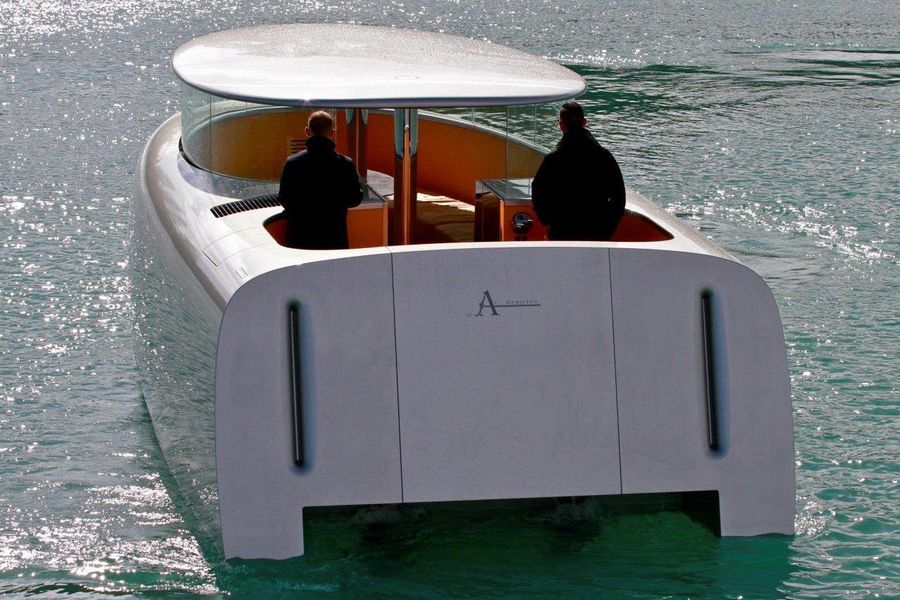
Lloyd Stevenson Boatbuilders supplied four bespoke tenders for Sailing Yacht A, each designed around a specific function. Guest transfers, beach landings, crew movements, and everyday utility each called for a different answer, and each boat was engineered to deliver that answer reliably. These are not craft where minor shortfalls go unnoticed. Every lifting point, every line-handling arrangement, every onboard system must perform without hesitation, because a yacht of this complexity cannot afford interruptions to its working rhythm.
The four tenders span a forward helm sport tender, a beach landing craft complete with a bow ramp system, a guest launch finished to a high standard, and a utility tender built to absorb the wear that constant use brings. Taken together, they represent a range of composite work, weight management, and systems integration that sits well clear of most recreational boatbuilding. Tight weight targets, detailed layup schedules, and intricate engineering left a lasting mark on how the company approaches sequencing, surface finishing, and clarity of build planning.
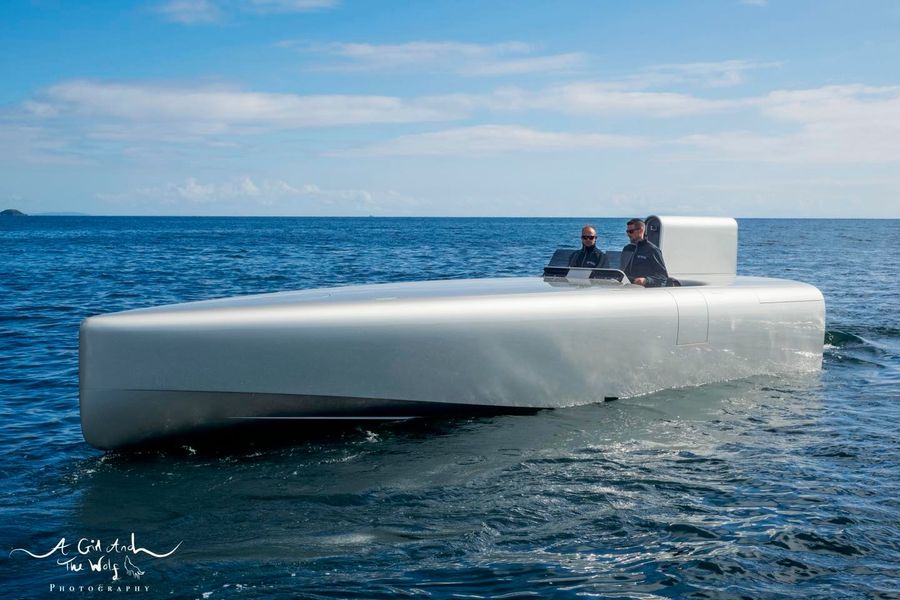
The lessons carried from those builds continue to shape practice inside the workshop.
Sea Eagle II occupies a different place in the global top ten. The 81 metre Royal Huisman ketch, launched in 2020 and designed by Dykstra Naval Architects with interiors by Mark Whiteley, ranks among the largest aluminium sailing yachts ever constructed. Her long waterline, powerful ketch rig, and generous deck layouts mark her as a vessel equally suited to serious ocean passages and private cruising in settled waters.
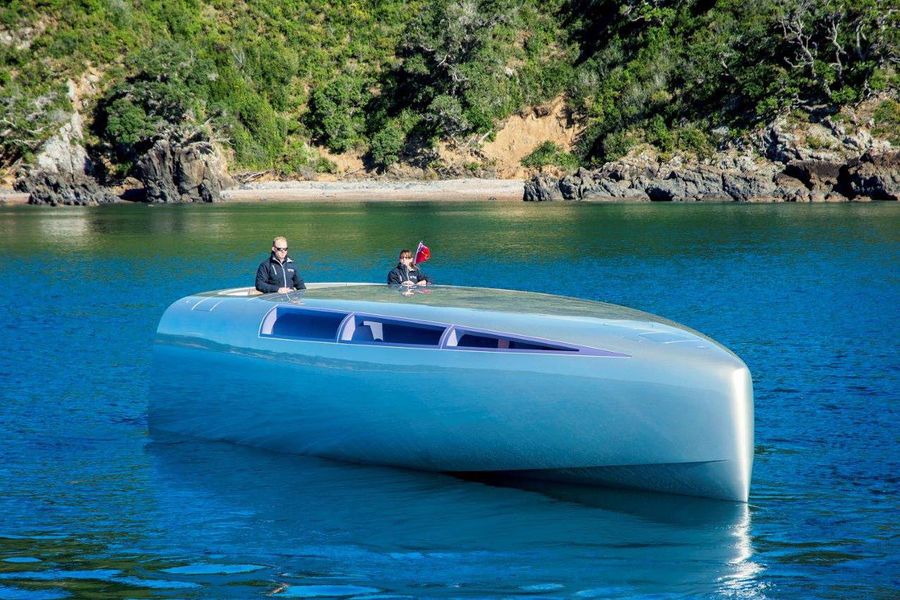
Lloyd Stevenson Boatbuilders is now building a new Bakewell White 8.5 metre limousine tender for Sea Eagle II. The design works from sharp exterior lines inward to a sheltered guest cabin, with weight distribution managed carefully throughout and the ride quality needed to move guests comfortably through harbour chop or shifting wind. A limousine tender must do more than float attractively alongside its parent vessel. It needs to shield passengers from spray, arrive with them presentable, and reflect the standard of care that a superyacht of this size projects in every detail.
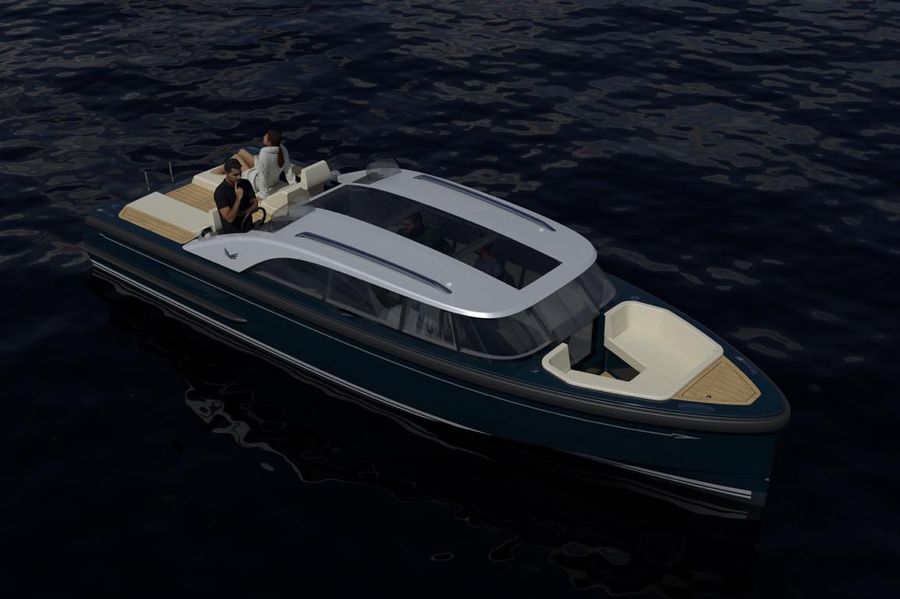
The ongoing relationship between Lloyd Stevenson Boatbuilders and Bakewell White has produced a steady line of capable, considered tenders, and this new build follows that same logic. Work will move through the workshop in defined stages, with composite layup giving way to fairing, then fit-out, each trade working within controlled bays so the finish stays consistent from one end of the hull to the other. Systems integration, paintwork, and interior detailing receive the same level of scrutiny as any other element, because this tender will sit in the company of one of the finest sailing yachts in the world.
The reason owners and captains keep turning to New Zealand builders comes down to a combination of qualities that is genuinely hard to find in a single place. Kiwi yards have retained the appetite for one-off work that many international workshops have traded away in favour of repetition and scale. Owners want tenders that are light without being fragile, dependable under pressure, straightforward to maintain, and predictable when conditions turn awkward. They want tidy engineering, sensible layouts, and composite structures free of unnecessary weight. These qualities are deeply familiar inside New Zealand's marine sector, and they continue to attract commissions from well beyond our coastline.
Projects at this level ripple outward through the local industry in ways that are not always obvious. Local suppliers benefit directly. The relationship between New Zealand designers and international yards grows stronger with each successful delivery. Tradespeople early in their careers get the chance to work on world-class builds without leaving home, and the whole sector gains a clearer sense of where it stands in a competitive global market.
When a Kiwi-built tender lowers into the water from a yacht that ranks among the largest sailing vessels on the planet, it carries the weight of local skills, specialist knowledge, and a way of working that values careful craft over shortcuts. The connection between Lloyd Stevenson Boatbuilders, Sailing Yacht A, and Sea Eagle II makes that case plainly. As the new limousine tender for Sea Eagle II takes shape in Auckland, it adds another chapter to a story New Zealand's marine sector has been quietly building for a long time.