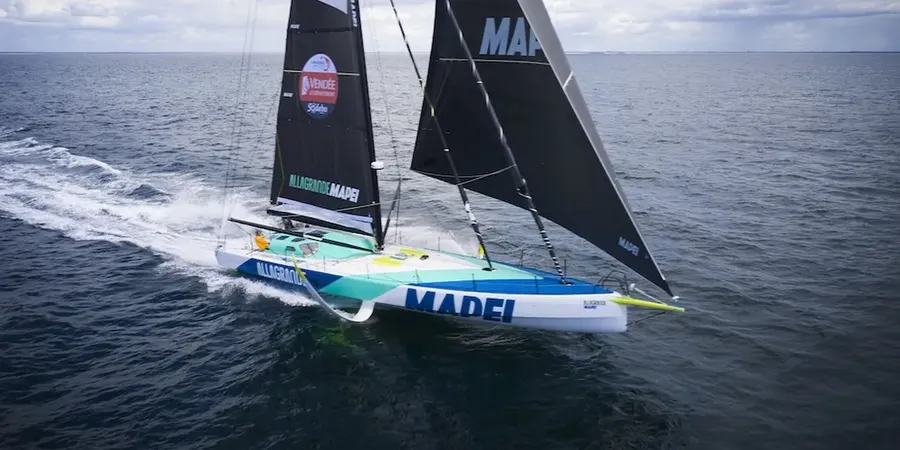
The third edition of the Vendée Arctique was entering its final hours, and race organisers had made certain that nobody following the sport would be left watching from a distance. A comprehensive broadcast operation had been assembled, with cameras placed both offshore and ashore, all channelled into a live stream designed to deliver every significant moment to an international audience in real time.
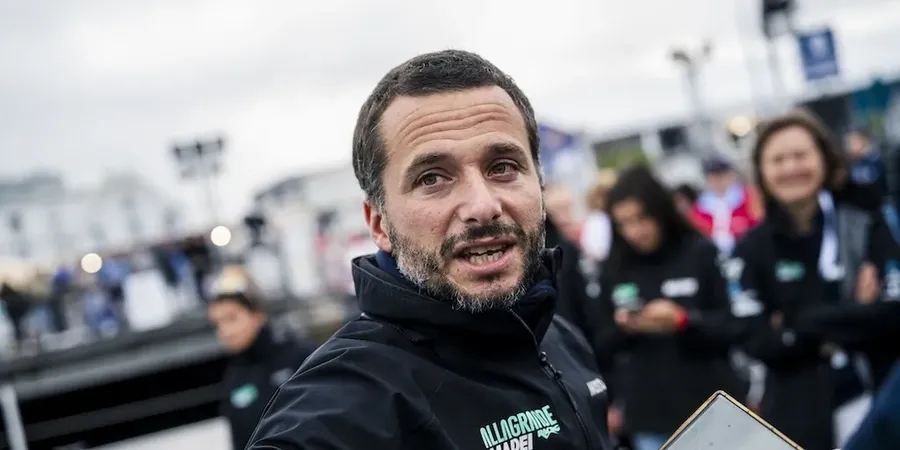
The commitment to coverage was thorough. Leading boats would be tracked on their final approach to the finish, every hull crossing the line would be captured in uninterrupted footage, and skippers would be brought to camera the moment they came off the water. Alongside that, appointed expert consultants would work through the tactical and meteorological decisions the race had demanded, examining the choices competitors made and what the North Atlantic in June had extracted from both sailors and their equipment. With the front-runners expected to finish within hours, anticipation was becoming difficult to contain.
That kind of broadcast investment reflects how fundamentally ocean racing has changed as a spectator pursuit. Followers of the sport are no longer content to receive a result as a summary delivered after the fact. They want the unmediated experience: the fatigue and relief audible in a skipper's voice at the line, and the opportunity to have complex decisions broken down in real time by people who understand what a race like this genuinely demands. The consultants on hand were there precisely to provide that, translating the choices made out on the water into terms a wider audience could follow and appreciate.
For the competitors still pressing hard through the race's final miles, the presence of cameras carried its own particular weight. A live finish offers no opportunity for composure or concealment. Whatever condition a skipper is in when they cross, whatever state their boat is in, and whatever they say or reveal in those first unguarded moments, it all becomes part of the permanent record, broadcast without delay or editorial softening.
The Vendée Arctique sits firmly within the broader IMOCA ecosystem that develops competitors toward the Vendée Globe, and New Zealand's offshore racing community watches it closely for exactly that reason. A race conducted on an Arctic route is a genuine proving ground, the sort of environment where reputations are earned or undone under real pressure rather than assembled in more forgiving conditions. The sailors who had committed themselves and their boats to this third edition had taken that on with open eyes.
Every running of the race adds to the body of knowledge the international fleet draws on. Every finish line crossed makes a statement about who is operating at the front of the offshore game and who is still working their way there. With the leaders closing on the line and organisers holding nothing back in the way they presented the moment, that statement was only moments away from being made.