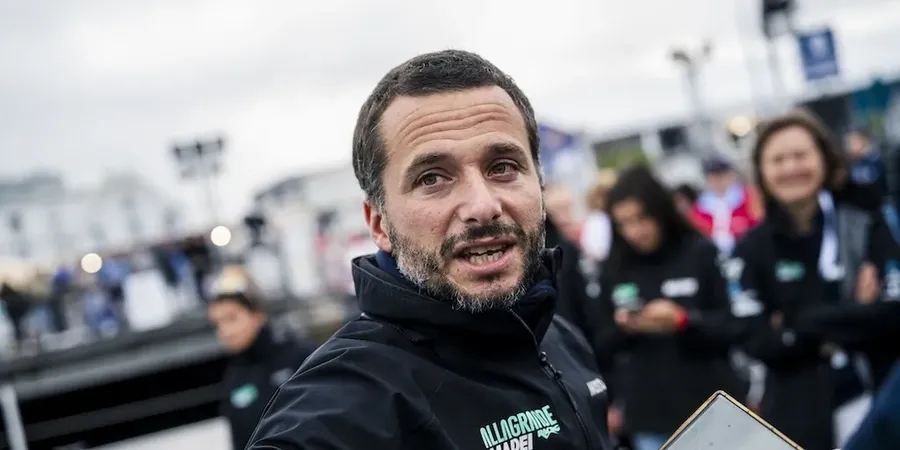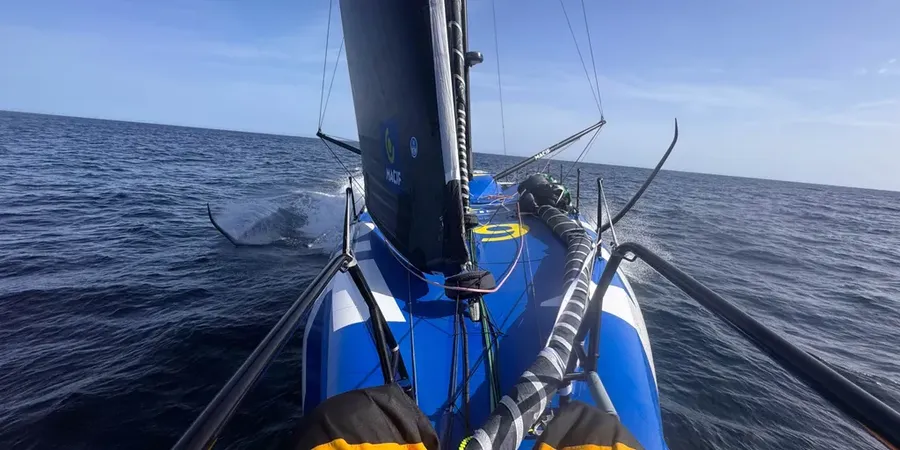
Sam Goodchild had led the Vendée Arctique for the better part of eight days, and for most of that time the race had looked settled. Then the Bay of Biscay intervened. A broad zone of light air had draped itself across the final stretch of water between the fleet and Les Sables d'Olonne, and what had appeared to be a procession was now threatening to become either a coronation or a mugging.
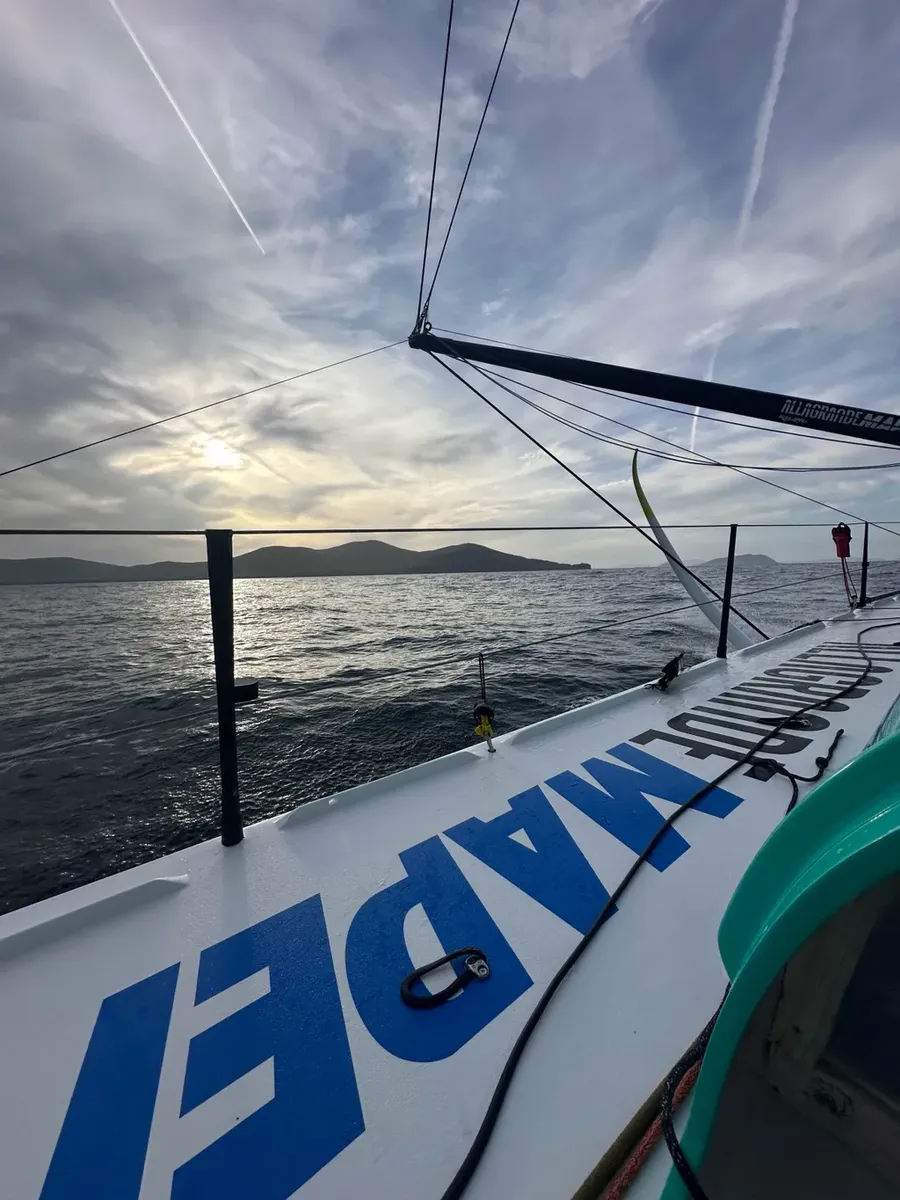
Goodchild's MACIF Santé Prévoyance had been close to untouchable through the opening week. He took the lead from the gun, found a tidy route inside the Irish coast, and arrived at yesterday's midday position report holding more than 100 nm over his nearest rival. First arrivals at Les Sables d'Olonne were expected Monday evening, yet as the fleet closed on the French coast the picture only grew murkier. The Vendée Arctique had already put the fleet through its paces across roughly 1,200 nm of Arctic water and hard North Atlantic racing, remaking reputations along the way. None of that changed what the weather was now doing to the race.
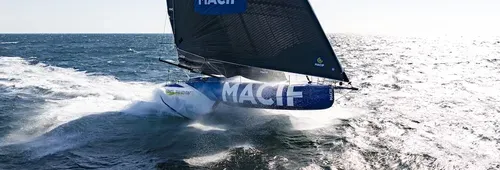
A high-pressure system had settled precisely where Goodchild least needed it, directly across the approach to the finish. The wind evaporated, the fleet began to compress, and the cushion that had seemed large enough to absorb almost any misfortune started to erode. Élodie Bonafous, Ambrogio Beccaria, Violette Dorange and Francesca Clapcich were pulling back the deficit hour by hour. Routing models gave contradictory verdicts: some still showed Goodchild clear at the line, others painted a picture of the chasers converging at the finish.
The man at the front was well aware of it. "Those who seemed well out of range not long ago could come back into it very quickly," he said as the tension mounted.
There is no crueller position in offshore racing than leading with the finish in sight and the wind gone. Everything that had separated Goodchild from the field over eight days of hard sailing counted for less with every passing hour of calm. Boat speed and tactical brilliance had shaped the race to this point, but the Bay of Biscay, in its infinite mischief, had stripped those advantages away and replaced them with something neither skipper nor router could manufacture. With the French coast close and daylight fading, the final verdict of the Vendée Arctique would come down to the ability to master what could not be controlled.