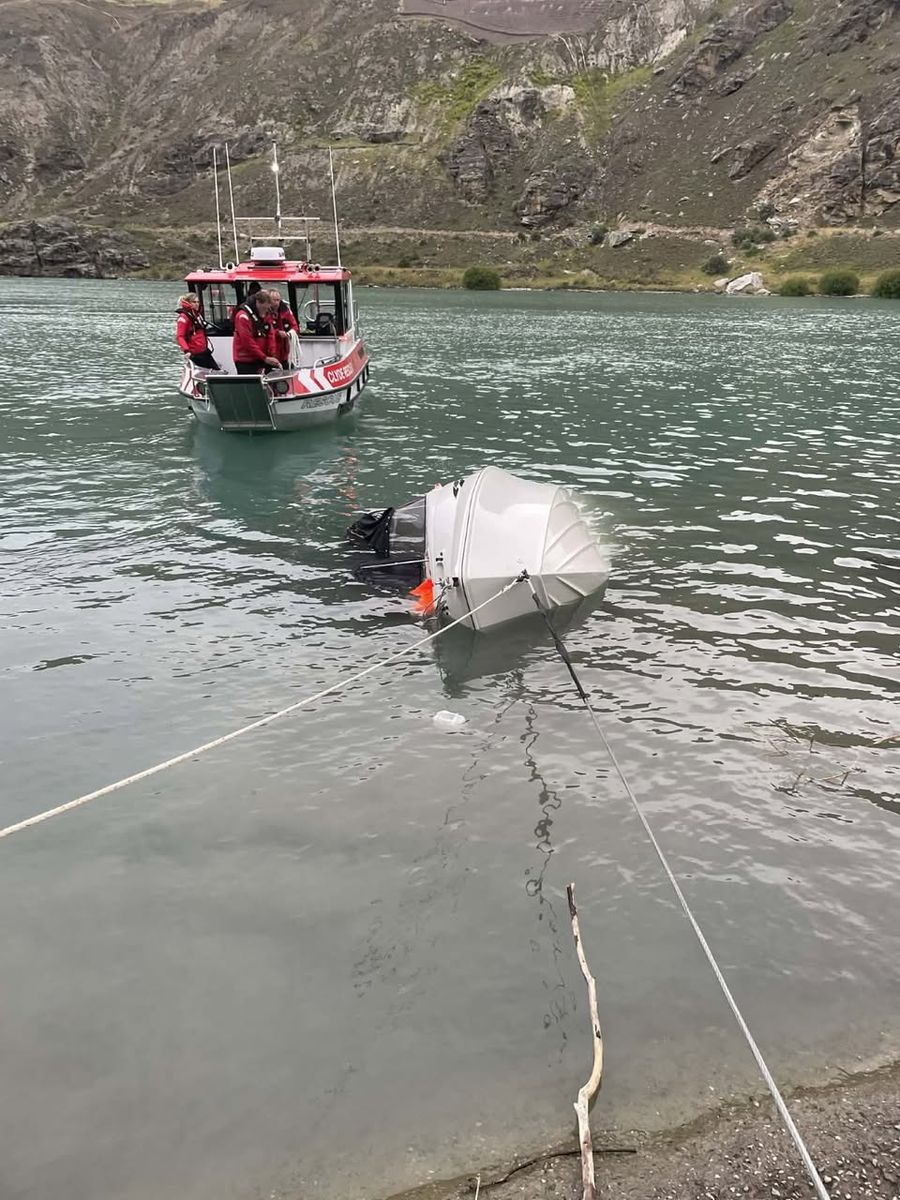
A late-night callout on Lake Dunstan ended safely after Coastguard Clyde volunteers were scrambled to assist six people thrown into the water when their boat capsized. Clyde Rescue II launched with ambulance staff aboard and tracked down all six survivors along a stretch of shoreline that vehicle crews could not reach.
The Coastguard team brought four of the group safely onto Clyde Rescue II, while a nearby vessel stepped in to assist the remaining two. Volunteers also recovered the capsized boat and returned it to shore. No serious injuries were reported across the group.
It was the kind of outcome everyone hopes for, yet one that could just as easily have gone the other way.

Skipper James Robinson was direct about how rapidly things can deteriorate on the water.
“The crew acted swiftly and worked well alongside other agencies to assist those involved. This could have ended very differently. Lifejackets save lives and wearing them is the single most important thing you can do.”
The rescue arrived at a notable point in the boating calendar. Christmas through to the end of January is the single busiest and most hazardous stretch of the year on New Zealand's lakes, rivers, harbours, and coastal waters. Traffic increases sharply, boats that have sat idle for months are recommissioned, crew sizes grow, and experience levels across the fleet vary considerably. Weather patterns that appear settled can shift faster than forecasts suggest, and the margin for error narrows accordingly.
Inland waters such as Lake Dunstan can give a misleading impression of safety. Wind builds quickly across open stretches, shoreline access is frequently limited, and cold water drains energy and strength at a rate many people underestimate. When something goes wrong in those conditions, assistance may be a long way off.
That reality is why preparation is the most reliable tool any boatie carries.

The lessons this incident reinforces are well known, but familiarity should not breed complacency. A lifejacket worn, not merely stored somewhere on board, is the single most important piece of safety equipment in a capsize. There is rarely time to reach for one once a boat goes over.
Reliable communications matter just as much. A mobile phone on its own is an insufficient backup in many boating environments. A VHF radio and a personal locator beacon together provide the kind of redundancy that genuinely saves lives. Carrying two waterproof means of calling for help is the standard worth meeting.
Alcohol remains one of the most persistent hazards on the water. Impaired balance and judgement are a poor combination when conditions change without warning. Correct loading is equally important and often underestimated. Additional passengers and gear alter a vessel's stability in ways that catch people off guard.
As the holiday period gets under way, Coastguard volunteers will be on the water in greater numbers. Their core message does not change from year to year, because it continues to apply.
- Wear your lifejacket. - Carry reliable communications. - Check the forecast before you leave. - Avoid alcohol on the water. - Do not overload the boat.

The people involved in the Lake Dunstan capsize made it home. As summer boating builds towards its peak, that result deserves to be treated as a fortunate one rather than a foregone conclusion.