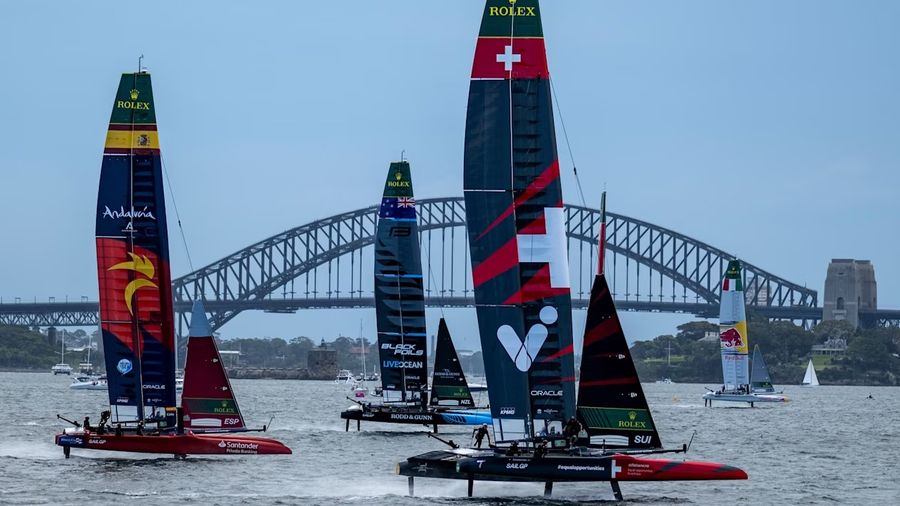
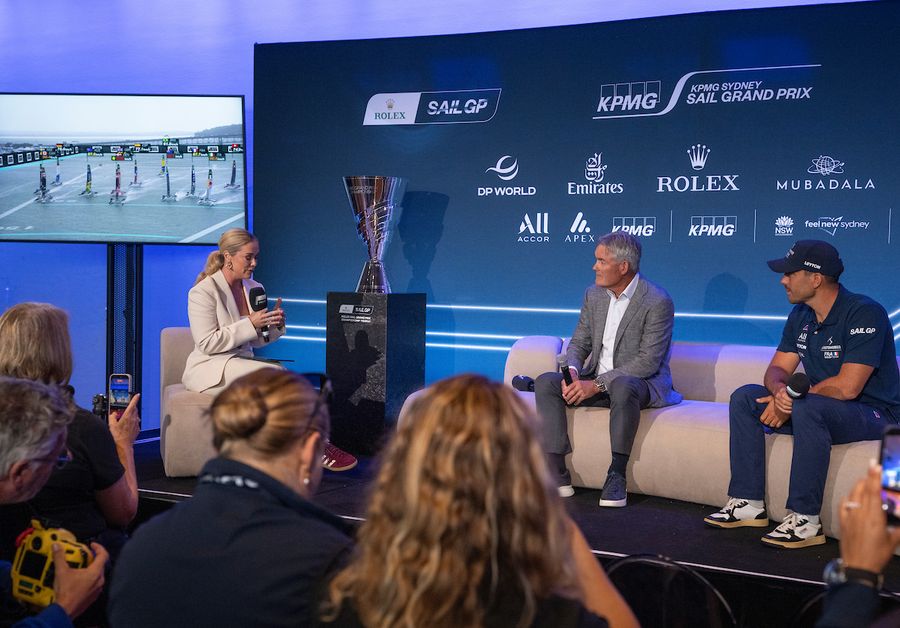
The KPMG Sydney Sail Grand Prix carries the weight of unfinished business from Auckland into its harbour racing.
Auckland reshaped the season in ways no one wanted. The collision between France and New Zealand cut racing short and left two sailors hospitalised. New Zealand flight controller Louis Sinclair is still recovering. French strategist Manon Audinet spent two weeks in hospital before returning home.
[gallery td_select_gallery_slide="slide" ids="169363,169761"]
A detailed review is now underway at SailGP. Engineers are working through onboard data gathered at the moment of impact, examining foil height, rudder angle, and lateral speed. Race management audio and video are also part of the investigation.
Sir Russell Coutts confirmed the review reaches beyond the incident itself, covering response systems and communication protocols. Potential changes to control systems and athlete protection measures are being assessed as part of that process.

Neither France nor New Zealand will take part in Sydney. The French F50 is undergoing repairs at Southern Spars in Auckland, with a return expected for Rio.
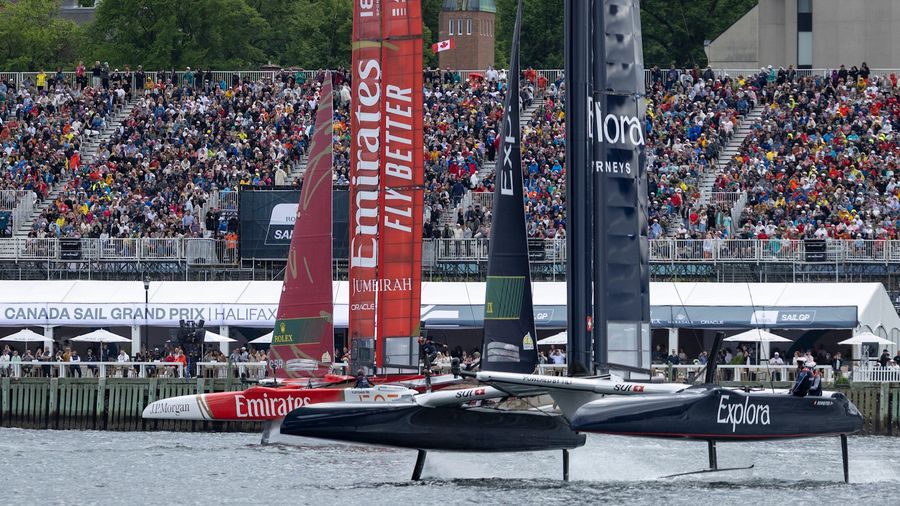
The split fleet concept made its competition debut in Auckland, introduced partly to ease congestion when the breeze strengthens. That format is set to become permanent from next season, when a fourteenth team joins the championship. It does not remove risk from the sport, but fewer boats competing simultaneously reduces the density around gates and marks, and race management has used the opportunity to refine course geometry. Sydney is forecast to bring lighter conditions, yet the structural change to how races are run carries its own significance regardless of wind strength.
Australia's Bonds Flying Roos arrived in Auckland carrying the pressure of a year without a win. Tom Slingsby acknowledged as much after his team finally converted in Auckland, describing the victory as a relief following a run of finals that had not gone their way. Sydney Harbour is a different proposition, and one where local familiarity has historically offered an edge.
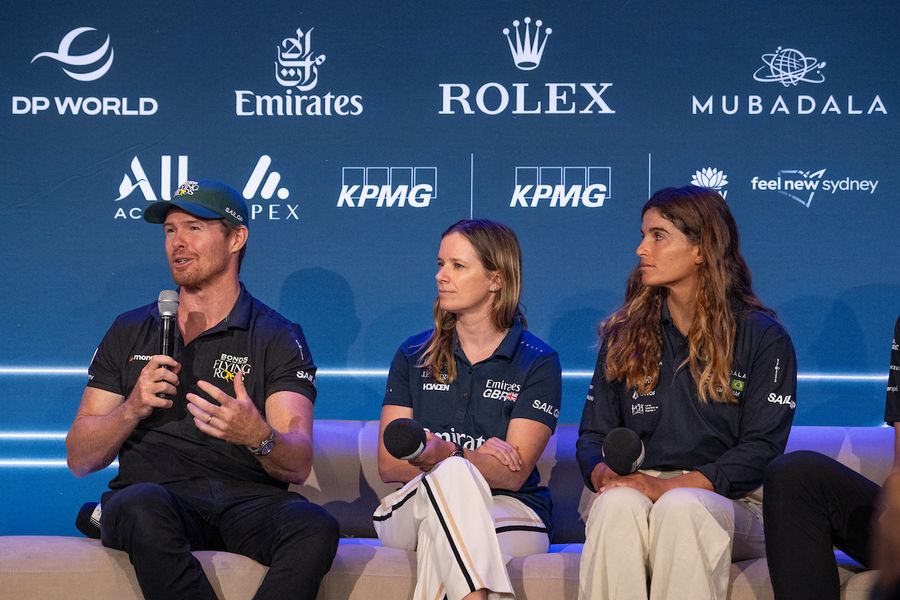
Across the fleet, Emirates Great Britain continues to set the standard. Hannah Mills' crew finished the previous season in strong form and carried that momentum into this one. Slingsby was straightforward about it: Great Britain is the benchmark. The rivalry between the two programmes has stopped being understated.
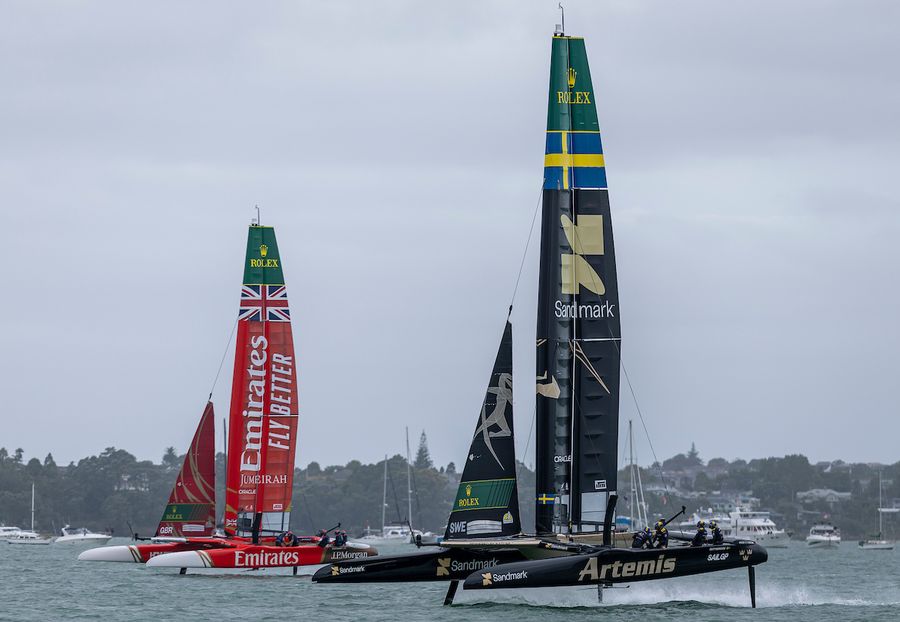
The absence of France and New Zealand opens the door wider for others. Nathan Outteridge's Artemis Racing has built a case for podium contention, taking a race win in Perth and showing the kind of consistency that makes them difficult to overlook. Sydney Harbour will test tactical sharpness as much as boat speed. An easterly breeze and the wind shadow that builds around Shark Island could compress the racing and reward the teams who read the shifts earliest.
Brazil is still searching for the consistency that has eluded them since crew changes disrupted their rhythm. Canada's Giles Scott put the competitive picture plainly, noting that the margins across the fleet are minimal and a single manoeuvre can change an entire result.
Racing gets underway at 5.30 pm local time, marking SailGP's first twilight session in Sydney. Shifting light and a cooling sea breeze will add complexity to preparation and race management alike. The easterly forecast points to heavy wind shadow near the island and a pressurised start line, neither of which will make the racing predictable.
Sydney will not answer the larger questions that Auckland raised, but it will alter the shape of the season's momentum. Safety systems are being examined, split fleet racing is being embedded into the championship's structure, and the competition between Australia and Great Britain is now openly acknowledged by both sides.
For supporters of the Black Foils, the empty berth will be hard to miss.
The season does not pause to reflect. In SailGP, it rarely does.