Babington had set off from New Zealand roughly three years earlier with the intention of sailing his 17-metre yacht Mollie around the world, living aboard her and picking up crew members at ports along the way. One of those crew members had been with Mollie for approximately five months, while two others had come aboard only the day before the fatal accident.
On 5 August, Mollie was heading through the Western Solent, bound for Poole in England, when Babington attempted to raise the sail. His hand became caught in a rope, and the powered winch kept turning, pulling him into the drum.
"As the winch continued to turn the skipper was progressively pulled tighter onto the winch drum, causing severe injuries to his arm and hand, trauma to his head and chest, and pinning him around the winch," the report into his death said.
The crew moved to halt the winch using the control switch, making repeated attempts before the drum finally stopped.
"After a number of attempts the winch stopped turning and the crew assessed the skipper for signs of life. The skipper was unresponsive and tightly wound over and around the winch," it said.
The crew raised a Mayday, and a lifeboat and rescue helicopter were dispatched to Mollie to help free Babington from the drum.
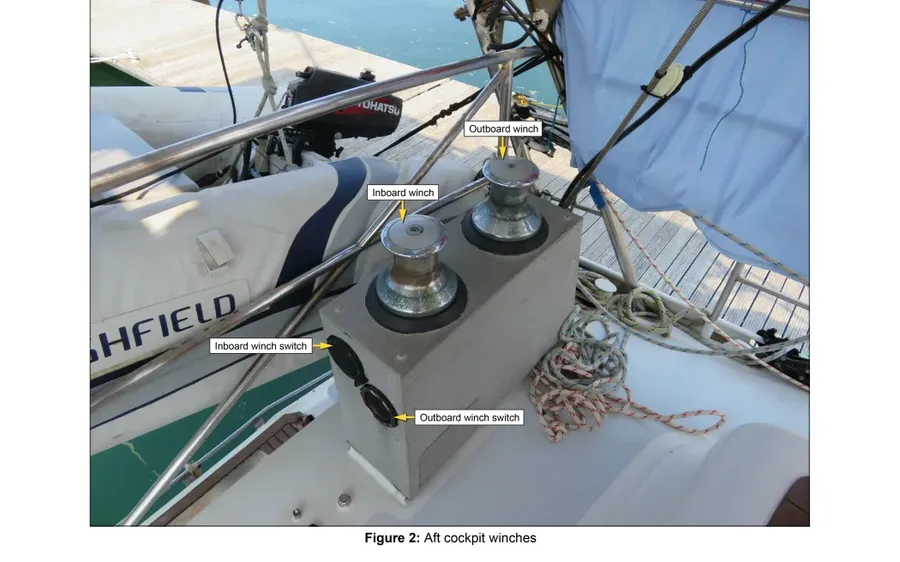
"As they did so, and without warning, the winch activated and released the skipper and he fell onto the deck."
Rescuers did everything they could to revive Babington, but he could not be saved. A post-mortem examination was carried out, with results pending at the time of the report.
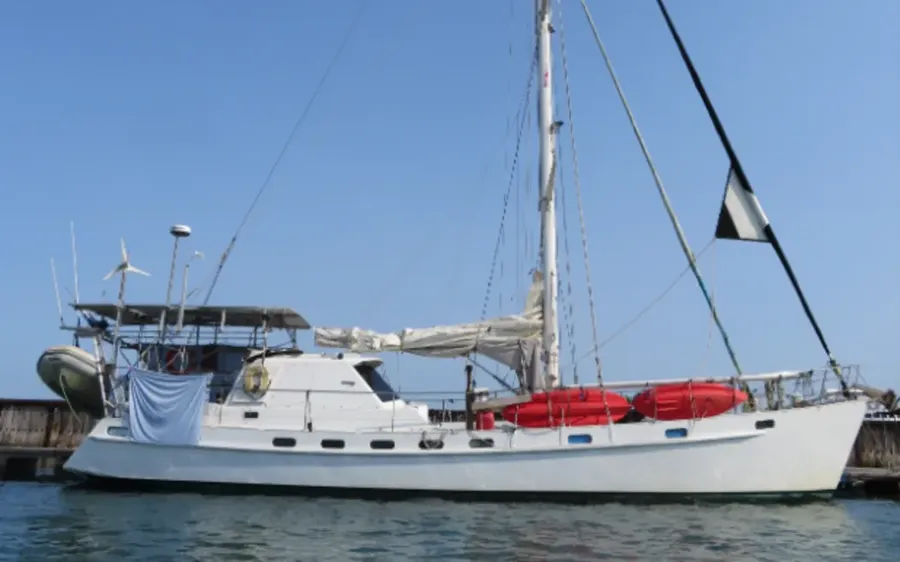
The preliminary investigation found the winch had a known defect that could cause it to continue operating even after the control switch had been released. The unit appeared to have been fitted by a small boatyard rather than through any mass-production process, making it a one-off installation. No further action was taken by the authorities following the investigation.