Rāwinia Wikaira has spent years watching plastic degrade the waters her tūpuna once fished, dived, and gathered kaimoana from. Now she is sailing into those same waters as part of an international effort to confront the problem directly.
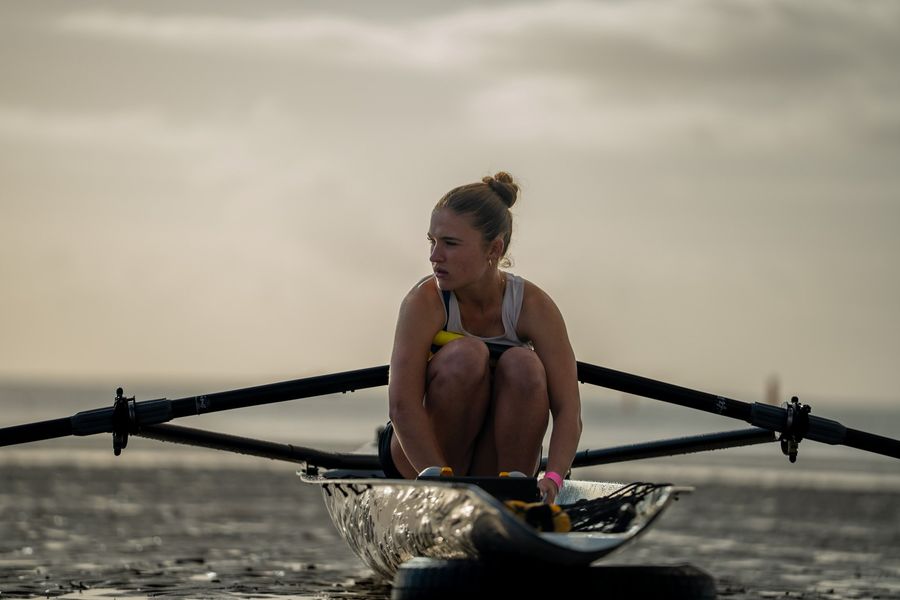
A crew of ten women has departed on a research expedition tracking plastic pollution through the South Pacific, with Wikaira the sole New Zealand member aboard. Their first port of call is Aotea Great Barrier Island, where the team will carry out a cleanup before continuing north to the Bay of Islands. The South Pacific leg also takes in Tonga, forming the opening stage of a wider global programme run by eXXpedition, which is dedicated to tracing ocean plastic back to its original source.
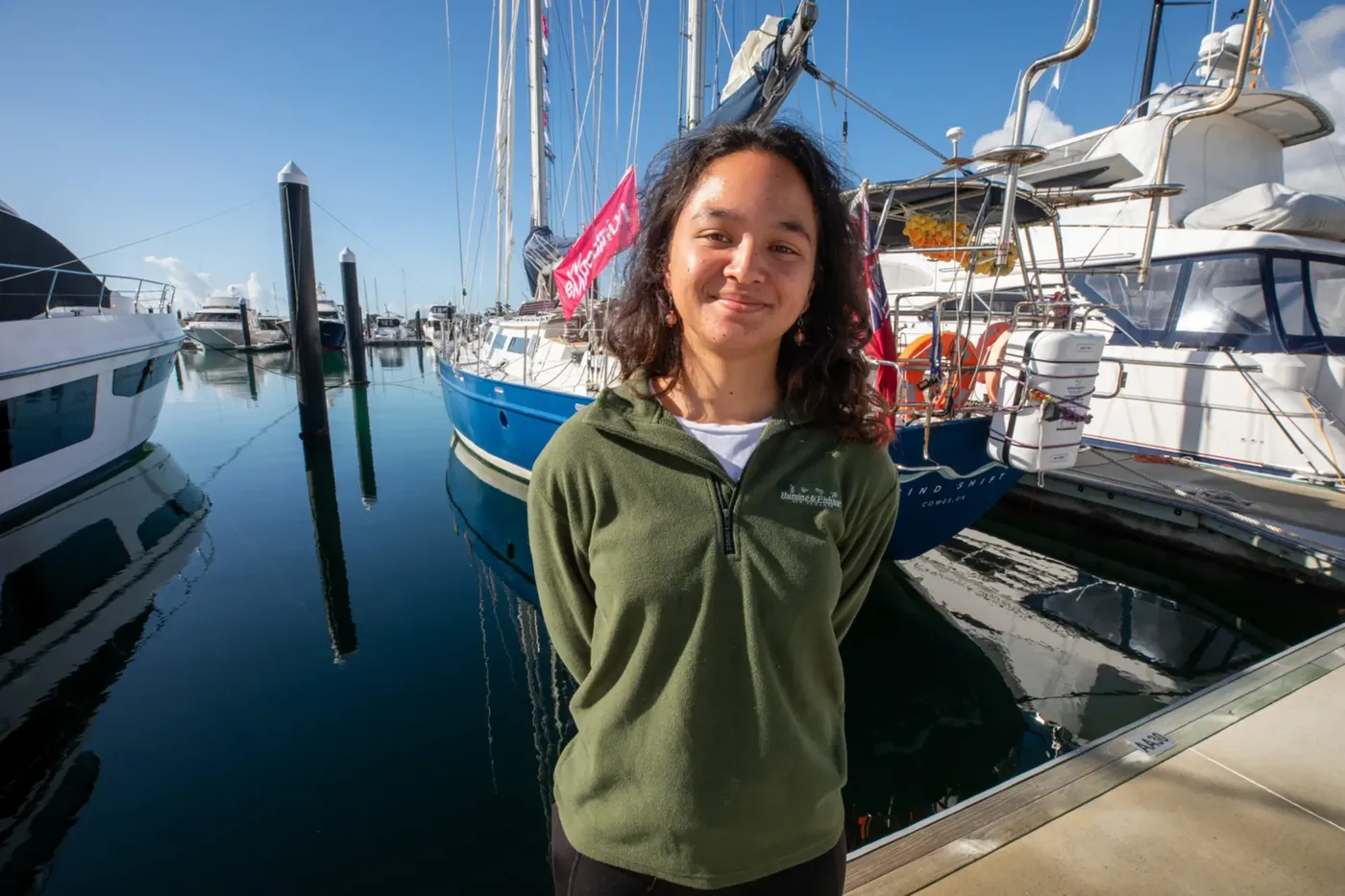
Wikaira was at Westhaven Marina in Auckland, preparing ahead of Thursday's departure, when she spoke about the voyage. A recent Otago University graduate with a background in Māori Studies and Ecology, she is of Ngāti Wai, Ngāi Takoto, Ngāpuhi, and Ngāi Te Rangi descent. Her place on the expedition was secured through a bursary eXXpedition offers specifically for a wāhine Māori to join the crew during the Aotearoa leg.
"It was my supervisor at Auckland Uni who recommended it," she said. "I didn't really know much about eXXpedition before I applied, but after I found out, I was like, wow, this is a really cool project, and I'd love to be a part of it."
The route passes directly through her rohe of Ngāti Wai, waters that carry deep personal and cultural significance. She has witnessed the toll plastic has taken on them first hand.
"My tupuna, my ancestors, they would regularly fish, go diving, and collect seafood. It's a really important place for me, personally, and just to see microplastics degrading the water and also our food sources is very sad," she said. "Shellfish are being impacted. They're filter feeders, and they take in the microplastics. So when you collect it and eat it, then it's going into your system and into your bloodstream. It can really impact your health, and now it's being passed on to the next generation."
Scientists estimated around five trillion plastic pieces, the vast majority of them microplastics, were circulating in the world's oceans in 2014. By 2023 that figure had climbed to an estimated 171 trillion. Dr Taylor Maddalene, science and research lead for the eXXpedition crew and a researcher at the University of Georgia in the United States, described the consequences as severe for both human health and the broader environment.
"Essentially, a dump truck's worth of plastic gets into the ocean every minute," Maddalene said.
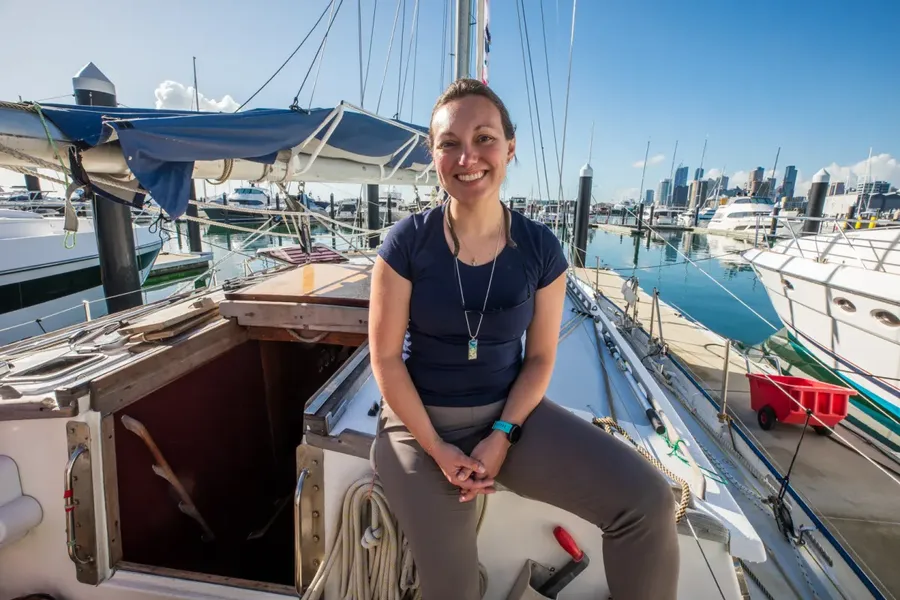
"We've just created this amazing problem of scale that has grown exponentially and is continuing to grow exponentially, and we're just starting to really uncover all of the issues that are associated with it. We now know that it's causing impacts across the ecosystems. It's going up the food chains. It's getting into us and what we eat. It's affecting our offspring, and now is a really critical time to start changing everything so that we can get on a better course, start using better materials, better delivery methods, better waste management, and hopefully less plastic waste leakage in the first place."
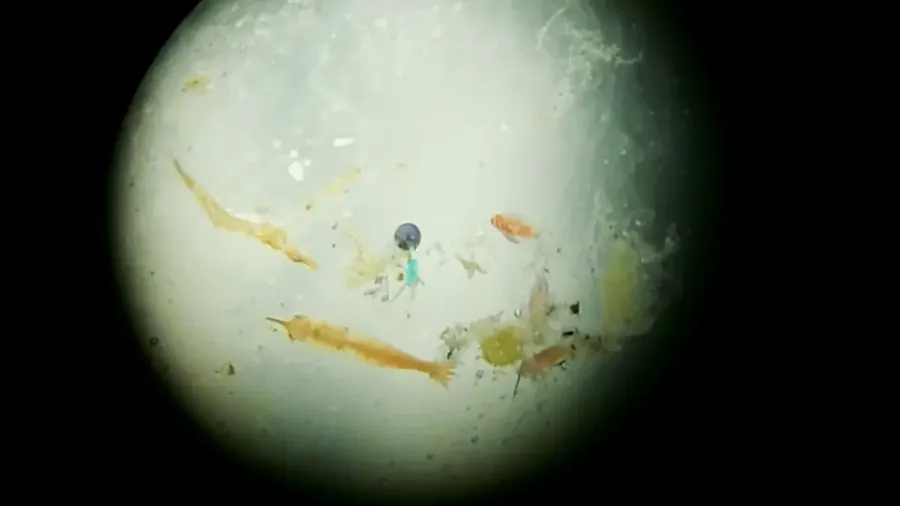
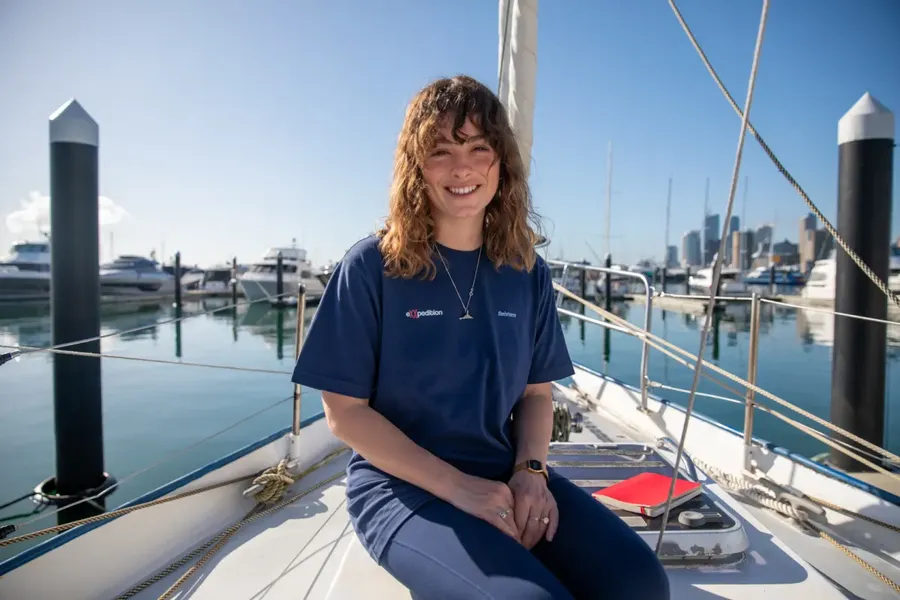
UK marine scientist Rowan Henthorn is leading the South Pacific expedition. At sea, the crew will deploy a manta trawl, a specialised net that skims the ocean surface to collect samples, helping researchers identify what plastic is present before working to establish where it originated.
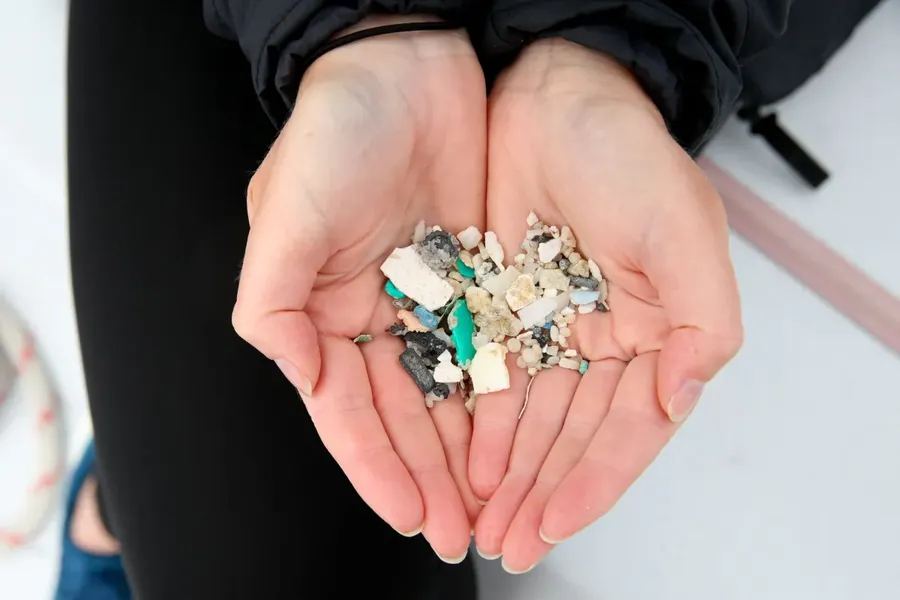
Plastic fragments recovered from the water are analysed using an FTIR instrument, a piece of equipment that helps pinpoint the source of the material. A previous eXXpedition study conducted in Antigua found paint and resin chips in the water that could be traced directly to boat yards and the yachting industry. Henthorn noted that while plastic pollution is a worldwide problem, effective responses must be tailored to local conditions.
"It's trying to provide data and evidence that helps people and policymakers make informed decisions about where they should be spending resources in terms of management, whether that's waste management, legislation, policy, or community engagement. It will be different solutions for different areas. So we hope we can help inform that."
In the coming days the crew will join Sustainable Coastlines volunteers to remove plastic from the more remote coastlines of Aotea Great Barrier Island. The island sits downwind of Auckland and regularly receives waste carried out from the city. For Makere Jenner, who lives on Rangiahua Island, the westernmost island off Aotea, the build-up of plastic is far from an abstract concern.
"We've had birds and even a turtle entangled in plastic on Rangiahua Island. Our seabirds mistakenly eat it too, which damages their insides and can actually cause starvation. Not much has been done to help our species, so I'm heartened to see more research specifically addressing the plastic pollution."
Jenner explained that the arriving waste is undermining conservation work her iwi has invested in heavily. "On Rangiahua Island, our Tū Mai Taonga project, run by our iwi, Ngāti Rehua Ngātiwai ki Aotea, made the island predator-free. Now it's a safe haven for our native taonga species to return and thrive. But if our ocean space is in a bad state, that can't happen."
Between now and summer 2027, eXXpedition has ten all-women research sailing trips planned, covering some of the planet's most remote ocean environments, including the Arctic, Antarctica, and the North Pacific. Henthorn points to a particular dimension of plastic's harm that shapes the expedition's female-focused approach.
"One of the issues around plastic pollution is its impact on our bodies. Particularly for women, it's potential to impact our hormones and be endocrine-disrupting. We see it as a female-centric issue. Women are also massively underrepresented in science, adventure, and sailing."
All data gathered across the full programme, together with dedicated reports for each ocean basin surveyed, will eventually be made publicly available. The crew's longer-term ambition is an interactive online map that would allow anyone to examine the plastic pollution picture specific to their own community.