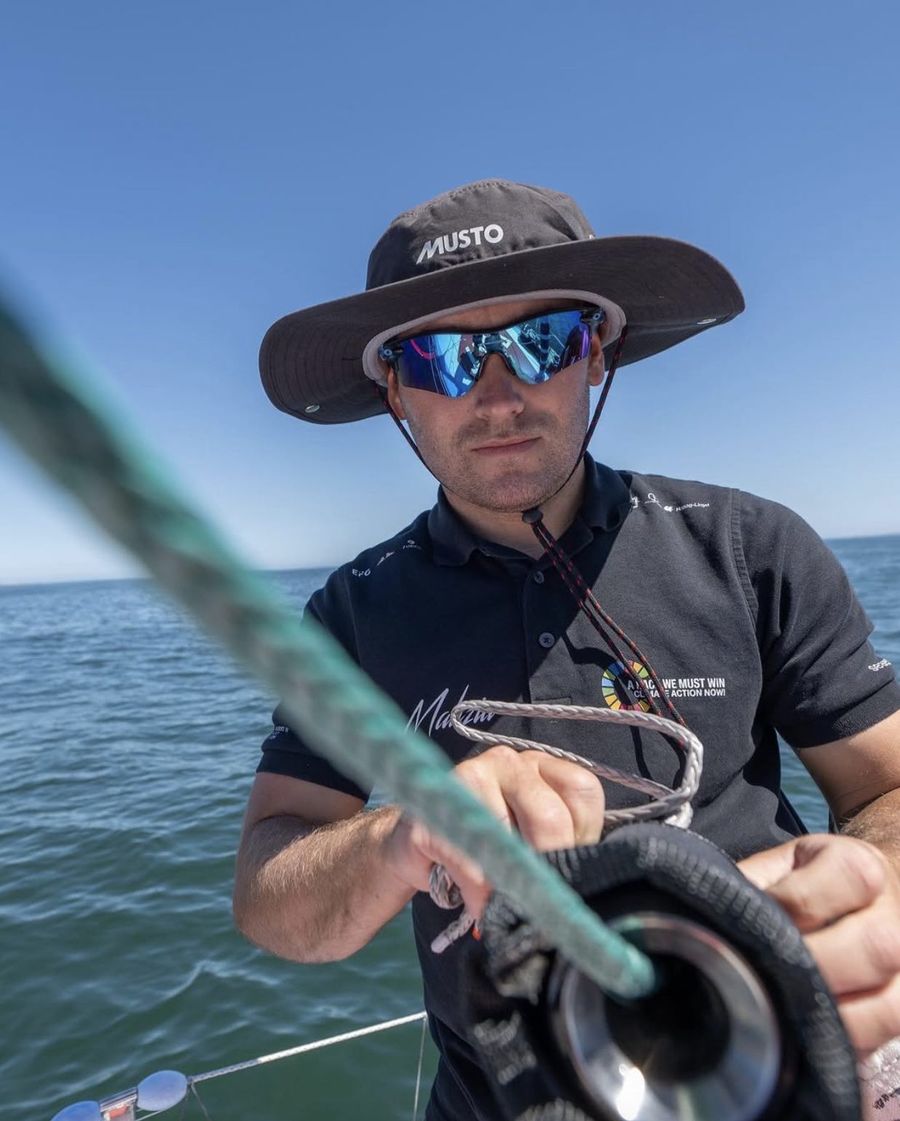
Oakley Marsh spent years earning his place inside one of offshore sailing's most respected programmes. He crossed continents, built his CV, and made himself useful to Team Malizia during the construction of Malizia 3, the boat that would go on to contest the Ocean Race and the Vendée Globe. He was close enough to the sport's summit to understand exactly how it worked. When the races left the dock, he was the one left standing on it.
"Pushing the boat off every time didn't really sit right with me as a sailor," he says. "So I thought, how can I get there? How can I be on board?"
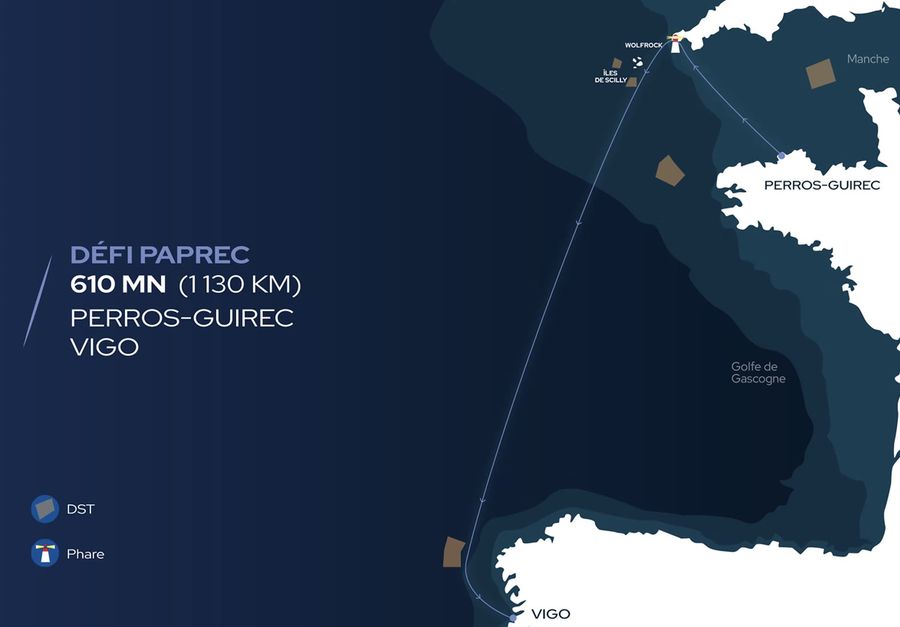
That changes this Sunday. Marsh lines up in Brittany for the Défi Paprec, sharing the helm of a rented Figaro BENETEAU 3 named Chipmunk with German co-skipper Jens Meier. The forecast is unsettled, around thirty-five knots on the nose, and the course sends the fleet north for four days to Wolf Rock off the tip of England before turning south to Vigo in Spain. This time, he will not be watching it leave.
The road to that start line has occupied the better part of his adult life. Marsh grew up in Wellington, racing through the Royal Port Nicholson Yacht Club Youth Scheme before moving to Auckland to chase a professional sailing career. He completed a sailmaking apprenticeship at Doyle Sails and worked through the Royal New Zealand Yacht Squadron Mastercard Youth Training Programme, graduating in 2021. Then COVID arrived, the local scene stalled, and he pointed himself toward Europe.
His entry into the offshore world came through Team Malizia, where a technician role during the build of Malizia 3 placed him at close quarters with top-level ocean racing. Further work followed: sailmaking for the French America's Cup team in Barcelona, then a campaign in the UK with Team Jolt for the Admiral's Cup. He followed the opportunities across the continent, accumulating contacts and knowledge, and from his repeated position on the dockside he developed a clear-eyed understanding of how careers at the sport's highest level are actually constructed.
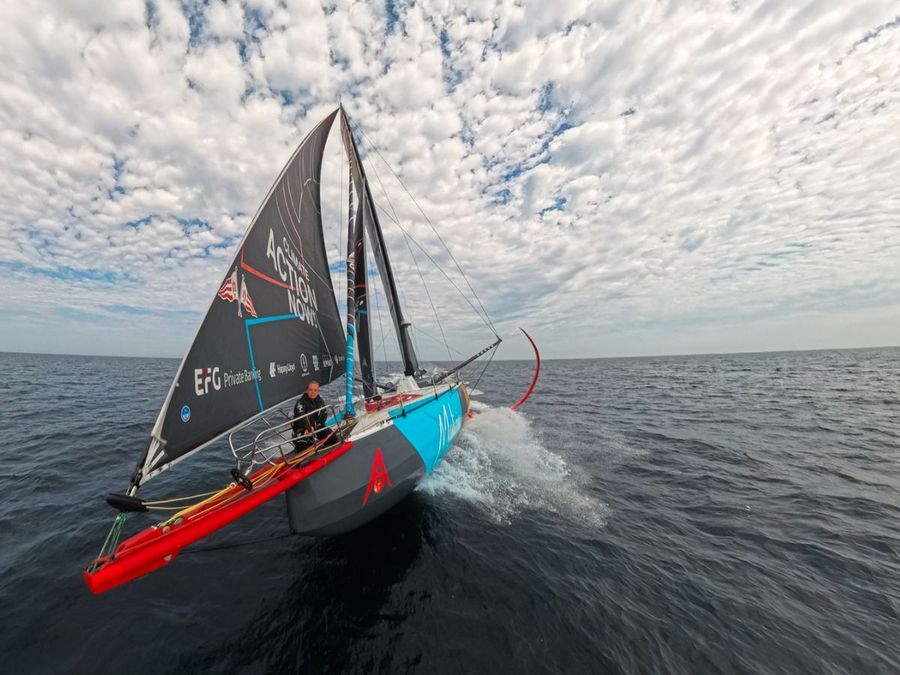
A pattern kept presenting itself. The majority of Ocean Race rosters are filled by sailors who have come through the Figaro circuit, a one-design class built around the Figaro BENETEAU 3, a 32-foot production foiling monohull. La Solitaire du Figaro Paprec, the circuit's flagship event, runs across three solo legs and is widely regarded as the most competitive shorthanded offshore training ground in the world. Around 80 percent of Ocean Race sailors have passed through it. The route forward, for Marsh, became clear.
The Défi Paprec is his entry point, a double-handed appetiser to La Solitaire itself. He and Meier are racing Chipmunk, rented from Marcus Hutchinson, an Irishman and the class vice president who has made something of a project of helping international sailors find their footing in a circuit that remains, for now, almost entirely French. Security briefings are delivered by the French military coast guard. In French.
La Solitaire is the next milestone, and beyond that Marsh has his eye on the Tour de France à la Voile, a prestigious Figaro circuit race that last had a New Zealand entry more than 25 years ago. In 1999, Russell Coutts skippered Sun Microsystems Team New Zealand in the event, winning the opening two legs in Scheveningen before falling back in the overall standings. In 2001, Hamish Pepper won individual inshore stages but the team finished 5th overall.
"I'm trying to change that," Marsh says of the 25-year absence. The budget isn't there this season. He is building toward it.
Running beneath all of it is a memory that has never left him: a 10-year-old boy standing on the Wellington waterfront, watching Mike Sanderson sail the Volvo Ocean Race into the harbour. Marsh has been in contact with New Zealand sailor Conrad Colman, who is assembling a Transatlantic campaign, and there may be a berth available. He is not banking on it. The Ocean Race is in an uncertain phase, with fewer confirmed teams for the next edition than the sport would like, but his goal has not moved in nearly 20 years.
What he needs to get there is partners. Not sponsors. He is careful about the distinction. He wants New Zealand companies with international ambitions, prepared to attach their name to a Figaro campaign running through French waters. Real Meals, a freeze-dried food company out of Nelson, has already come on board, using the partnership to push into the maritime and outdoor sports market. He is looking for more.
The Défi Paprec starts this Sunday. If the funding comes together, La Solitaire follows the year after. And somewhere further down the track sits the Ocean Race, potentially with an Auckland stopover and a New Zealand boat in the fleet. This time, Marsh will not be on the dock.