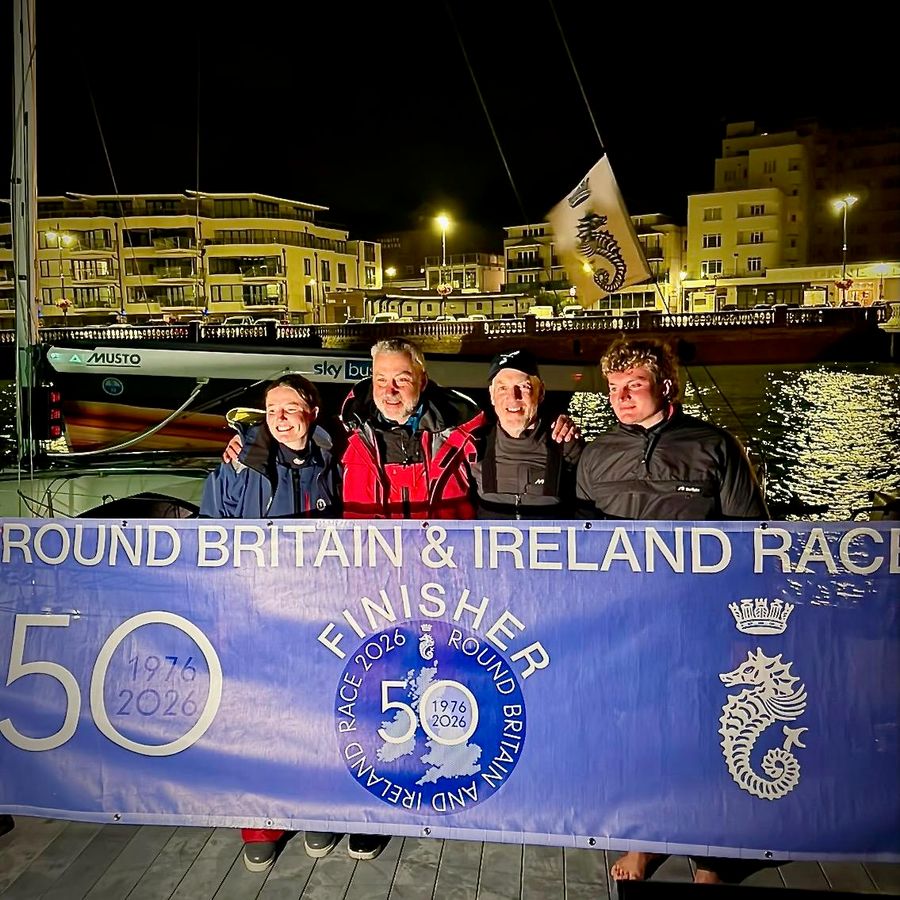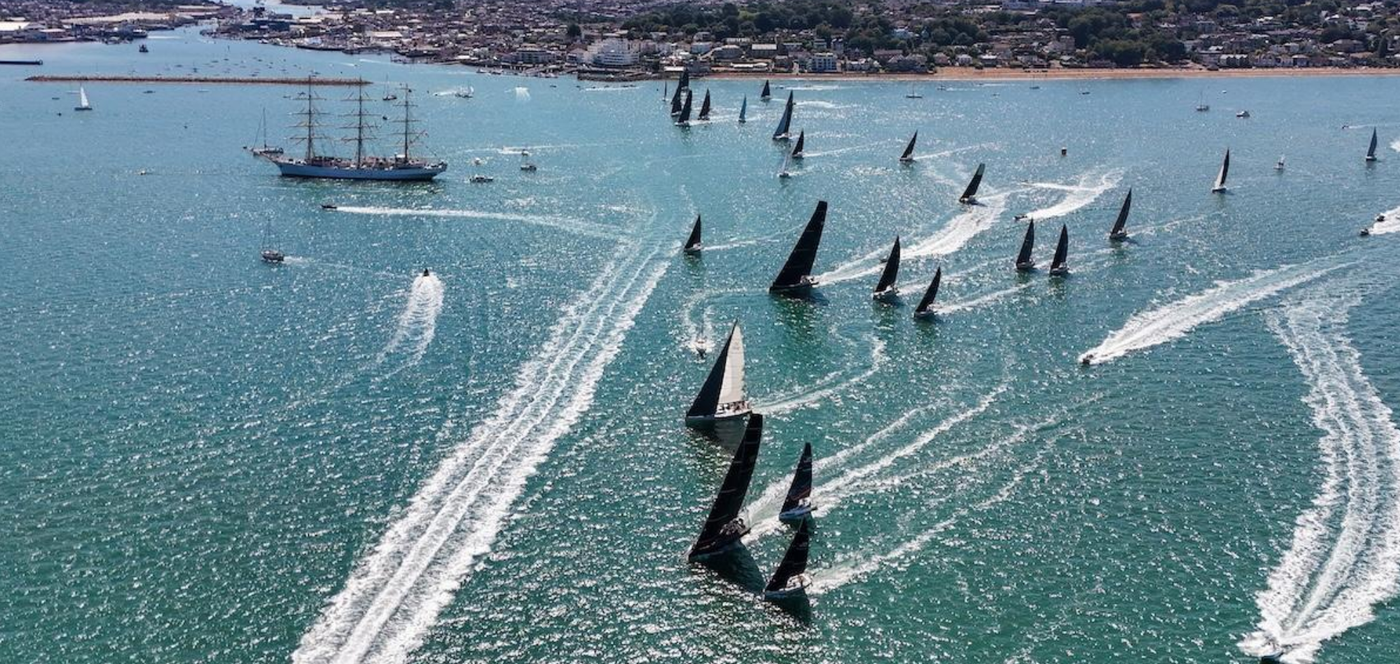
Two hours after the RORC Round Britain and Ireland Race left Cowes on Sunday, Johnny Vincent's Volvo 70 Pace held a one mile lead over Jens Kellinghusen's Ker 56 Varuna 6 as the fleet beat out through the Solent in a light easterly. Thirty two boats made it to the start line, one less than anticipated. 182 sailors from 22 countries set off under cannon fire from the Royal Yacht Squadron line, opening the 50th anniversary of one of offshore racing's oldest and toughest tests, 1,805 nautical miles around Britain and Ireland, non-stop and unassisted.
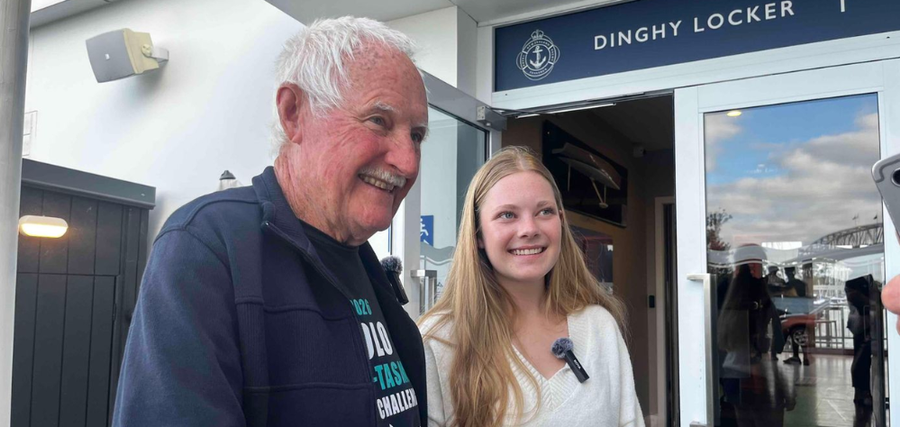
Among the IRC Zero boats chasing Pace and Varuna 6 is Antoine Magre's Mach 50 Palanad 4, carrying Wellington sailor Oakley Marsh, who spoke to Go Boating New Zealand on the eve of the start. Four time Volvo Ocean Race winner Stu Bannatyne lines up in the same class aboard Pace itself, as a watch captain. Marsh and Bannatyne are the only two New Zealanders in the fleet, and at the start line at least, they were sailing straight at each other.
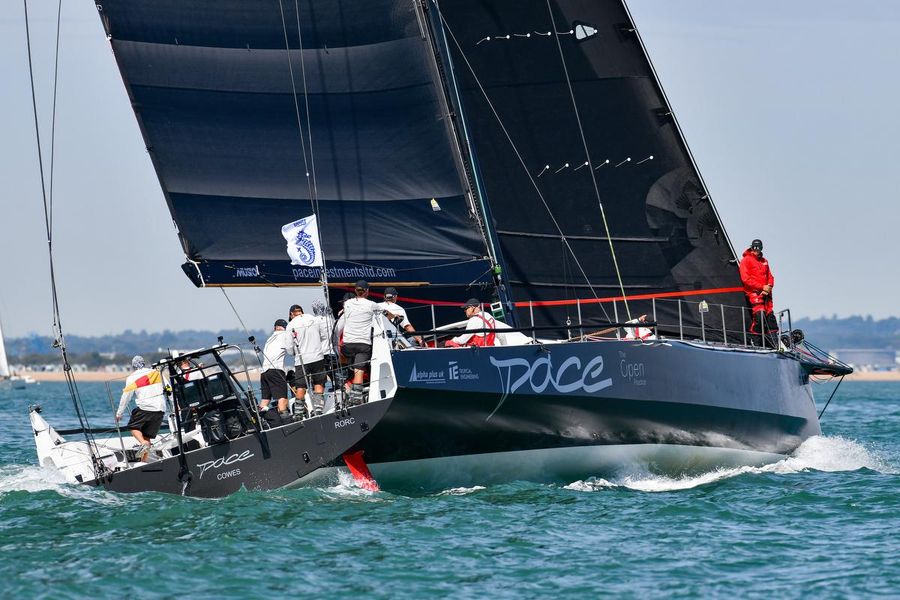
"It has been on my bucket list for a long time," Bannatyne said of finally lining up for a race he rates among the sport's toughest, despite four round the world race wins already to his name.
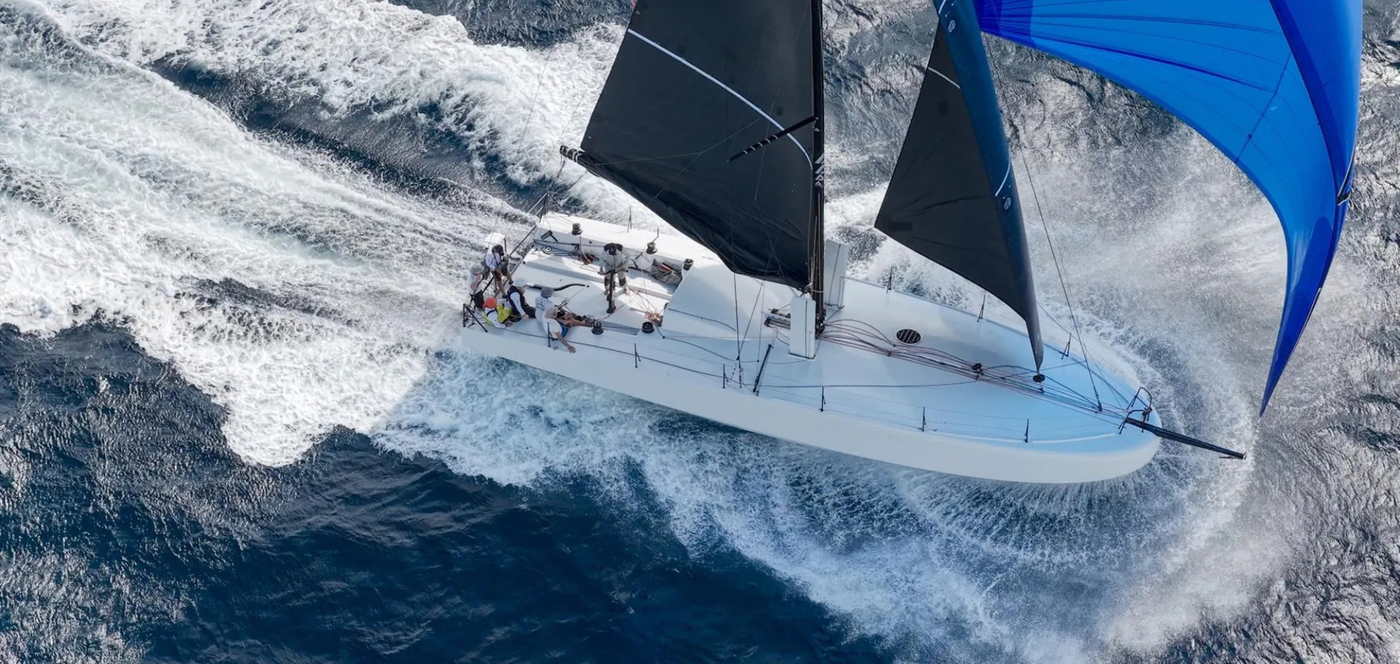
Palanad 4 wasn't named among the early leaders in RORC's first dispatch from the course, and that fits the boat's profile. Magre has said the scow bowed Mach 50 comes into her own above 15 knots of true wind, a threshold Sunday's gentle opening breeze didn't offer. The real test for Marsh's boat lies later in the race, once the fleet clears Land's End and picks up the exposed water off western Ireland.
RORC forecasters expect a westerly gradient of 10 to 15 knots to build through Sunday night, pushing the fleet upwind out of the Channel before backing north westerly. With the tide turning during the first evening, the early hours could bring a short, uncomfortable sea for boats still settling into rhythm. Behind the big monohulls, the Class40 fleet is just as tight, with Pierre Le Boucher's Penfret and Greg Leonard's Mach 40.6 Swift trading places at the front of the division.
The course itself hasn't changed since RORC first ran the race in 1976: out through the Solent, round the Fastnet Rock and Mizen Head, up the wild west coast of Ireland, past St Kilda to Muckle Flugga at the top of Shetland, then south through the North Sea and the Dover Strait for the long beat home to Cowes. It has been sailed non-stop and unassisted since 2006, and this 50th edition draws crews from five continents, including RORC Commodore Deb Fish, who won the race outright in 2000 and returned in 2022. She called it, without hesitation, "the most challenging race in the RORC calendar."
| Boat | Class | Skipper | Two hours in |
|---|---|---|---|
| Pace | Volvo 70, IRC Zero | Johnny Vincent | Leading fleet near Bembridge Ledge Buoy, 10+ knots |
| Varuna 6 | Ker 56, IRC Zero | Jens Kellinghusen | About one mile astern of Pace |
| Palanad 4 | Mach 50, IRC Zero | Antoine Magre (crew incl. Oakley Marsh) | Racing among IRC Zero rivals, built for stronger breeze |
| Penfret | Class40 | Pierre Le Boucher | Locked in tight battle for Class40 lead |
| Swift | Mach 40.6, Class40 | Greg Leonard | Locked in tight battle with Penfret |
For New Zealand's two representatives, the story so far is a coincidence with legs. A young sailmaker turned Figaro racer up against a four time round the world champion, on opposite sides of the same start line, headed round the same fifty year old course. Go Boating New Zealand profiled Marsh's route onto Palanad 4 in detail ahead of the start. From here, the more interesting story may be how far apart the two Kiwis end up by the time the fleet reaches Muckle Flugga.