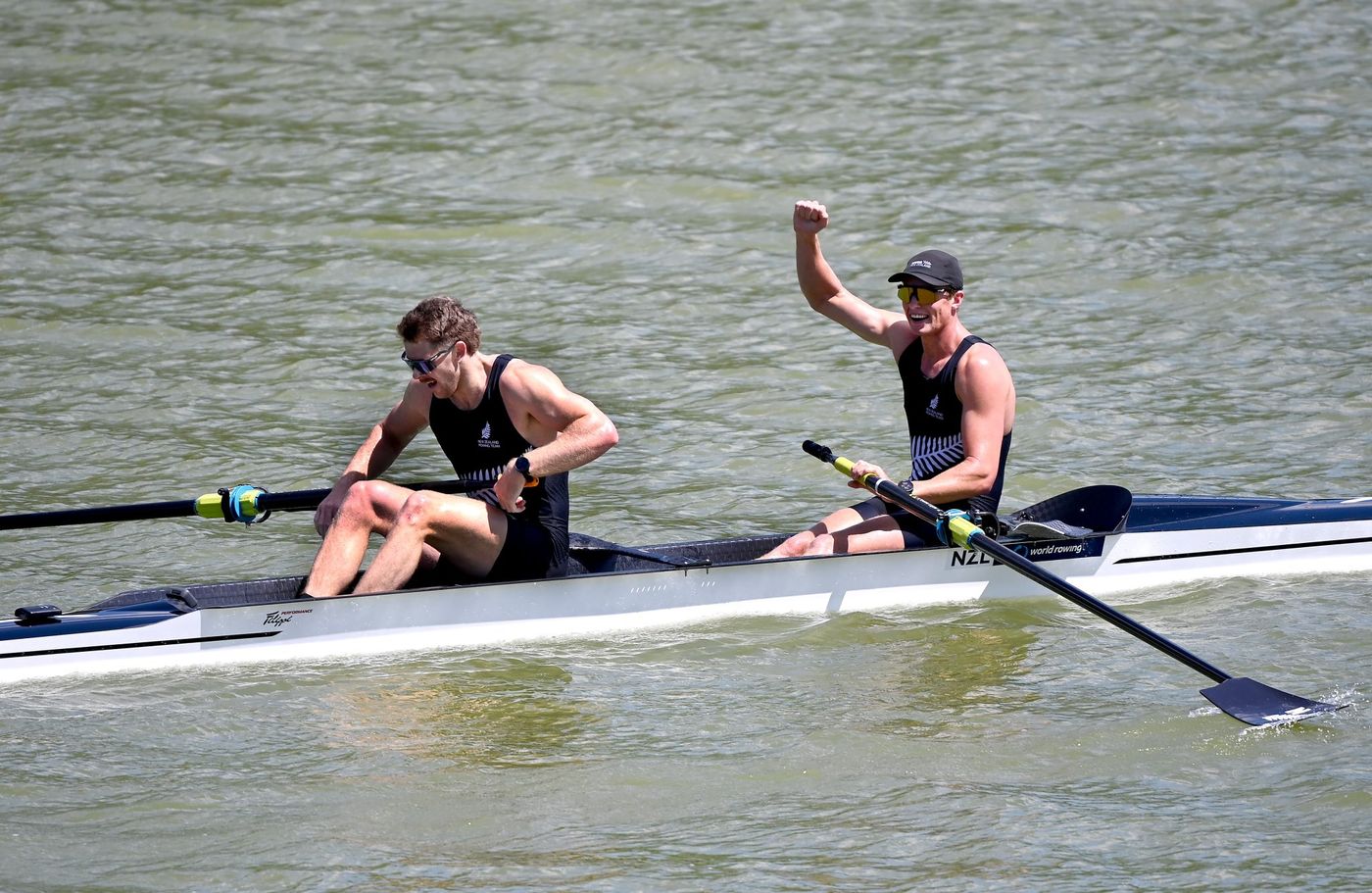
Ben Taylor and Oli Welch came within 0.54 seconds of rewriting Olympic history on the closing day of the World Cup regatta in Plovdiv, Bulgaria, falling just short of Hamish Bond and Eric Murray's 2012 London Olympic record in the Men's Pair. That near-miss headlined a five-medal day for New Zealand, a haul made possible by quick water and crews that found something extra when it counted.
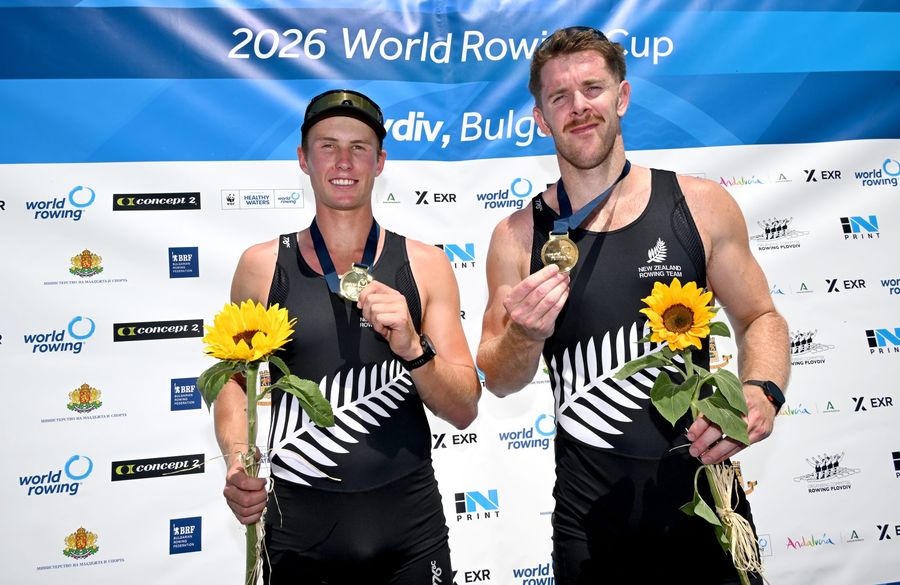
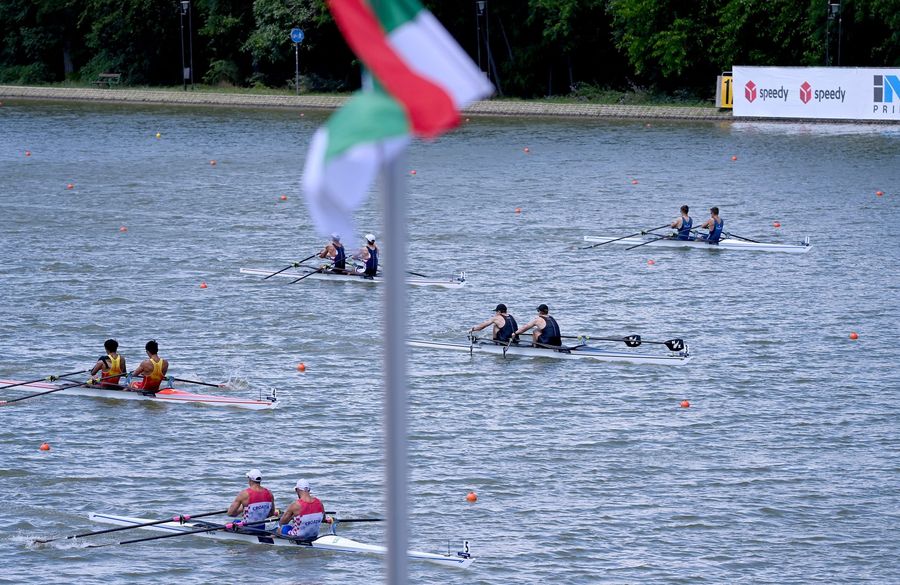
Defending world champions in the event, Taylor and Welch set off at a pace tracking the record from the opening strokes. Through the first 500 metres they clocked 1min 29.17sec, comfortably inside the 1.31 that Bond and Murray had posted fourteen years earlier. At the halfway mark they were still in contention, registering 3.01.76 against the legendary pairing's 3.03. The Plovdiv course toughened in the final stages, however, and the record slipped away.
"It got a bit messy," Welch said afterwards. "The course definitely kind of slowed down and it got a little bit rough towards the end. We probably started getting a bit tired as well." The pair had no idea how close they had come until post-race interviews got under way. "We didn't really know until they asked us how it felt to go one second outside the record," Welch recalled. "We were like, 'What? We didn't know we did that'. It was quite a nice surprise."
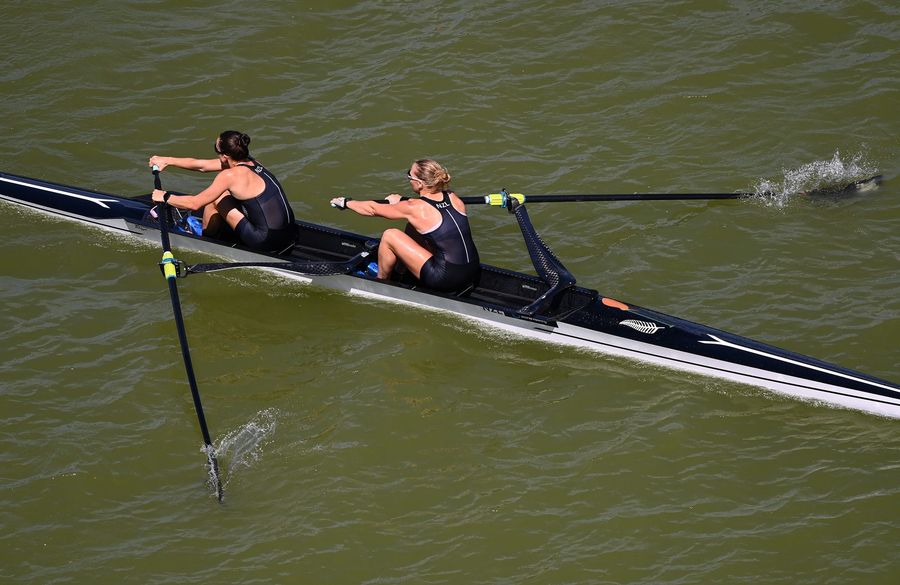
The Men's Double Sculls result carried a different kind of satisfaction, shaped in part by what had unfolded a fortnight earlier. At the previous World Cup in Seville, Finn Hamill and Ben Mason had found themselves in a C Final alongside Croatia's Olympic-winning Sinkovic brothers, a race neither crew had any desire to contest. Back in the A Final at Plovdiv, the quick conditions rewarded crews prepared to push hard through the middle of the race. The Croatians were formidable, pressing a pace that nearly eclipsed their own 2014 world best of 5.59.72. Hamill and Mason were slow to find their rhythm early but hunted down China over the final 200 metres to claim silver in 6.05.36.
"The transition onto our rhythm just didn't really happen," Hamill said. "We were three or four seconds slower in that second 500 than where we needed to be. It was pretty laboured and sluggish." The adjustments they made through the second half brought them to the podium.
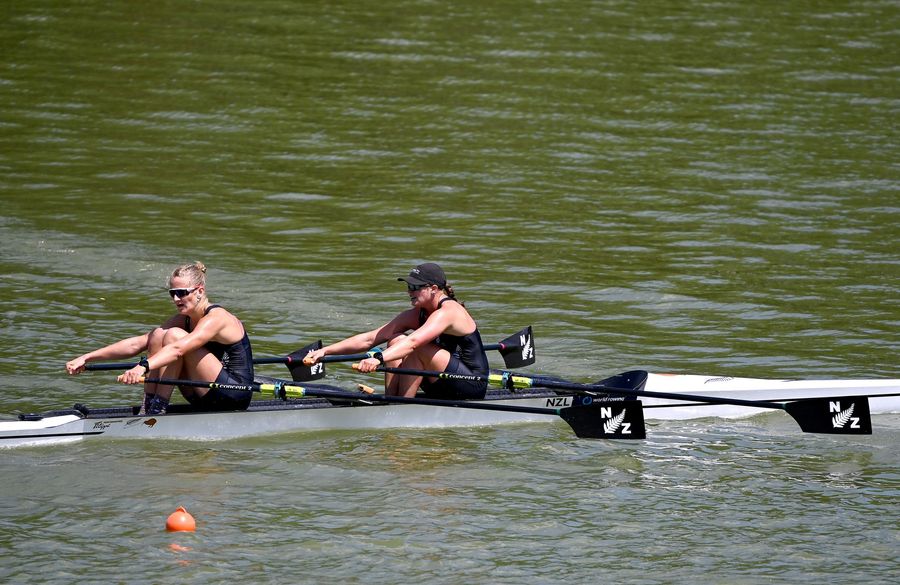
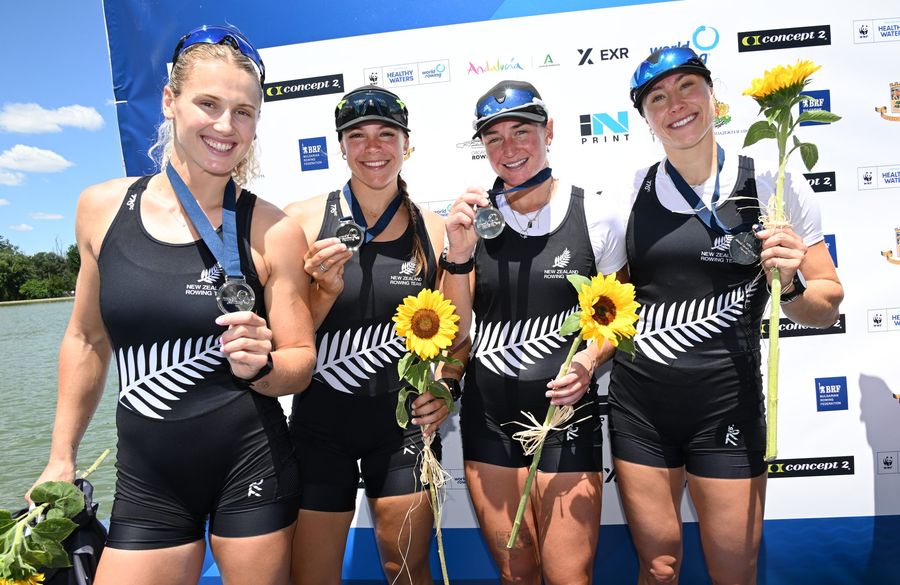
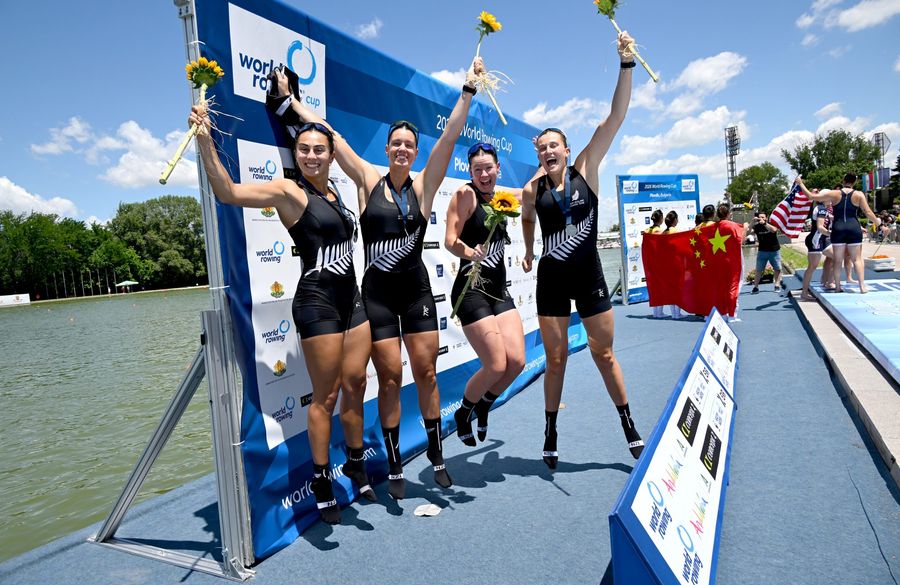
The Women's Four arrived at the final with a clear target already identified. Ella Cossill, Kate Haines, Isla Blake and Alana Sherman had pinpointed the second 500 metres as the phase where time had been surrendered in the preliminary round, and they made that segment their direct focus in the final. When stroke Haines began calling splits of 1.32 and 1.33 seconds, the crew knew the plan was working. "You don't hear that all the time," Cossill said. "They're the kind of splits you're aiming for in training, but to actually hear it throughout a race gets you going." They closed a seven-second deficit from the heats to just over three seconds at the finish, taking silver in 6.18.99 behind the Americans.
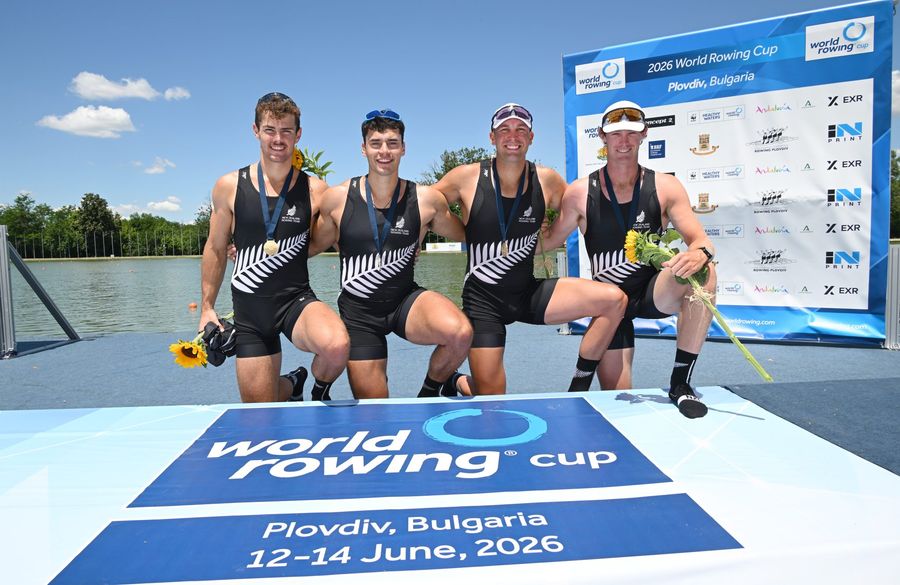
The Women's Quad produced an equally striking turnaround. Olivia Hay, Stella Clayton-Greene, Beckie Leigh and Veronica Wall had trailed by 12 seconds after the preliminary round, yet overhauled that gap to claim silver in 6.17.27. In the Men's Four, Fred Vavasour, Campbell Crouch, Harry Fitzpatrick and Josh Vodanovich pushed hard but were edged out by Romania in the final 100 metres, settling for bronze in a crew where only Crouch had raced at Elite level before this season.
Coach Mike Rodger had spotted a tactical opportunity in the heats and passed it on to the crew. "Mike just kept us on trying to attack the race," Fitzpatrick said, "and just be the fastest moving crew through that middle thousand. One thing we learned was that it's not come out hot and settle. You just have to go out hard and keep sprinting."