Forty-seven starts, and still asking the right question
Michael Spies did not enter Katwinchar in the Sydney Hobart out of sentiment or as a tribute to the past. The decision to line up came down to a single, hard-nosed question: given the right conditions, could this boat genuinely compete? That question, and the honest uncertainty surrounding its answer, shaped everything that followed.
Katwinchar has always operated close to the edge of what is practical in offshore racing. She is not a boat that tolerates any weather indiscriminately. Her record in major passage races shows what she is capable of when the wind and sea state align in her favour. When they do not, the margins tighten fast and there is little room to compensate. Spies knew this before a single dock line was cast off.
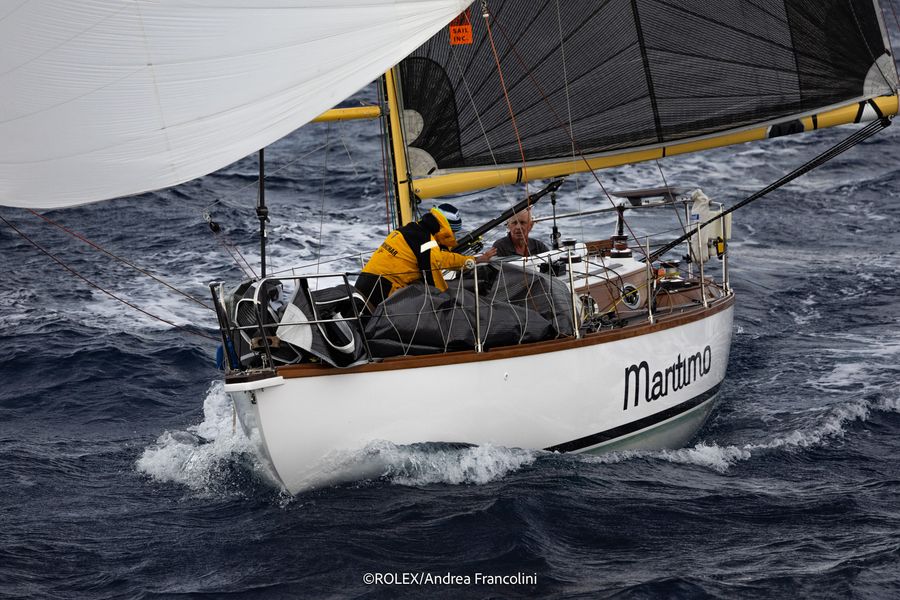
The forecast heading into the race pointed to a tough opening phase before conditions moderated. That is not unusual for the Sydney Hobart, and the crew were prepared for it. What they encountered instead was something more sustained and far less forgiving. The first night was rough but manageable. The second brought no relief at all. Grinding conditions continued without break, and below decks the boat became increasingly difficult to live and work in. Sleep was scarce. Each sail change and course correction demanded full effort from a crew whose reserves were being steadily worn down. Katwinchar was still moving and still racing, but she was doing so right at the threshold where real progress starts to cost more than it gives back.
The official retirement notice would later carry the words skipper's discretion. That phrase is accurate but incomplete. The real driver was fatigue, and the way fatigue quietly dismantles good decision-making offshore.
A small cluster of electronic issues emerged during that second night. Individually, none were serious. Together, they required attention at exactly the moment when mental reserves were at their lowest. Spies recognised what he was seeing. Tired sailors make small mistakes, and small mistakes at sea have a habit of becoming large ones. The history of offshore racing has demonstrated that pattern more times than anyone would like to count.
At 8.20 pm on the second night, the decision was made to withdraw.
The reasoning was plain. The outlook ahead had worsened rather than improved. Speed was falling away. The seaway was building. The gap between racing hard and slipping into survival mode was narrowing by the hour. The conversation on board was brief. Nobody pushed to continue. The crew understood what was at stake and they agreed. Katwinchar turned away with everyone unhurt and the boat structurally sound.
This was Spies' forty-seventh Sydney Hobart. He intends to be on the start line for his forty-eighth. He speaks plainly about how judgement shifts over time, not because the hunger to compete diminishes, but because experience brings a clearer sense of proportion. He does not accept the idea that stepping back is a sign of weakness. His view is that modern offshore sailing is meaningfully safer than it once was precisely because skippers are now willing to act sooner than their predecessors did. This year's race concluded without loss of life, and for Spies that outcome carries more weight than any finishing position.
The retirement was one thing. The boat's response to the conditions was another, and it told a more encouraging story. Katwinchar's hull, with original plates dating to 1904, absorbed everything the Southern Ocean threw at it. The modern deck work and successive rigs performed their roles without drama. Spies takes quiet satisfaction in the balance he has worked to achieve between preservation and genuine performance. Contemporary materials support the old structure without stripping away its character. The boat remains authentically herself rather than a dressed-up replica of something that once existed.
Racing a hull of this age alongside the newest designs on the water is not an exercise in nostalgia. It is proof that careful, committed stewardship produces something real and enduring.
Katwinchar is never raced the way a modern fleet boat is raced. There are no covering tactics, no reactive manoeuvres triggered by a rival's position. The crew execute their own plan and focus on managing the boat rather than watching the scoreboard. The safety requirements are identical to those applied to every other entry. The difference is one of mindset. Every action is considered deliberately, and every decision is measured against a longer horizon than the next mark. That approach does not just reflect good seamanship in fine weather. It becomes essential when conditions refuse to ease.
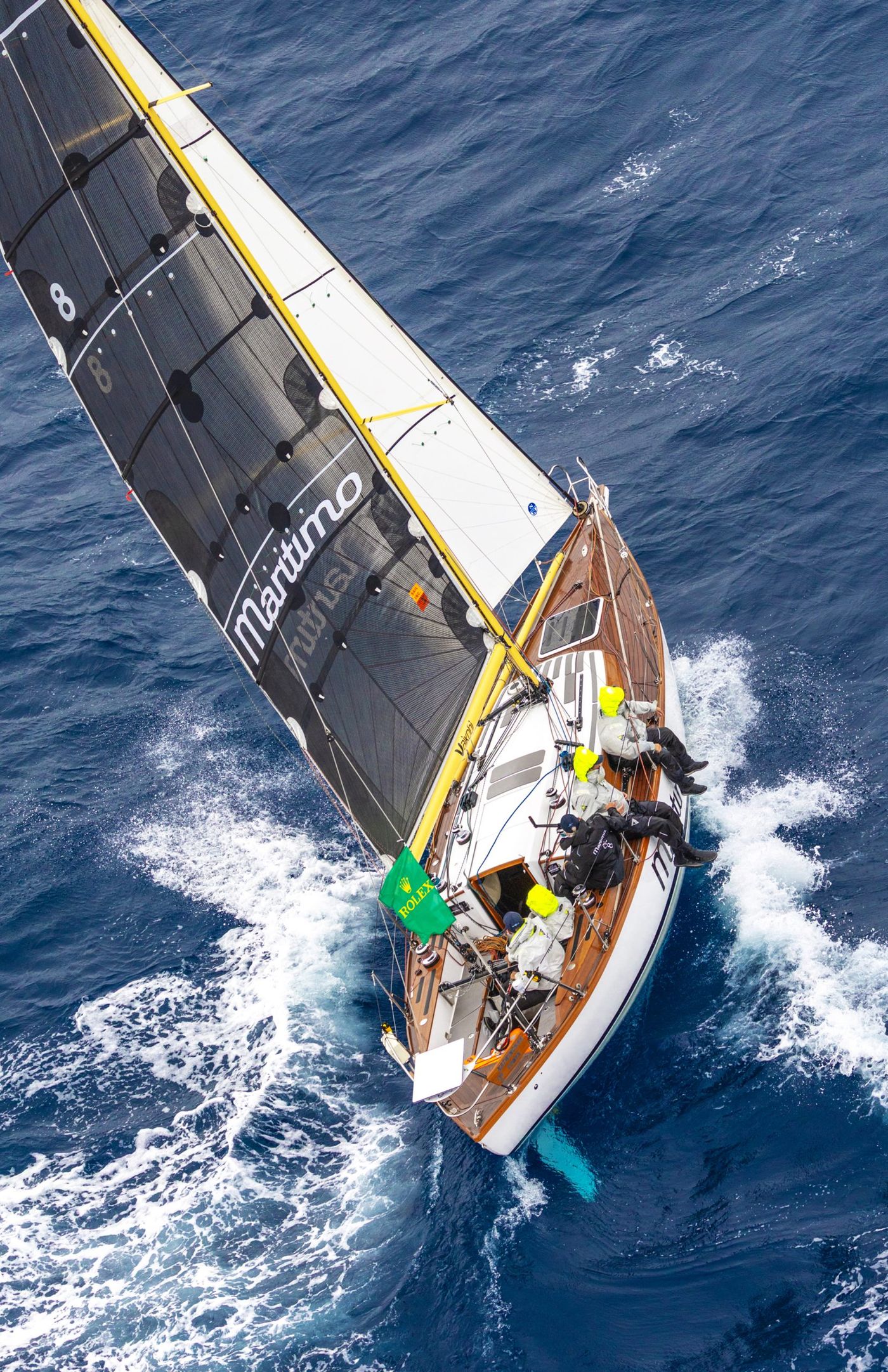
For Maritimo, the campaign carried a purpose that extended well beyond the race result. Offshore sailing remains one of the most demanding proving grounds available. Systems are pushed under real load. Components that would function without complaint alongside a marina pontoon will expose their weaknesses at sea. Every failure feeds back into development work. What does not hold up gets removed. What survives earns its place in future builds. Customers never see the breakages, but they benefit directly from the improvements those breakages produce.
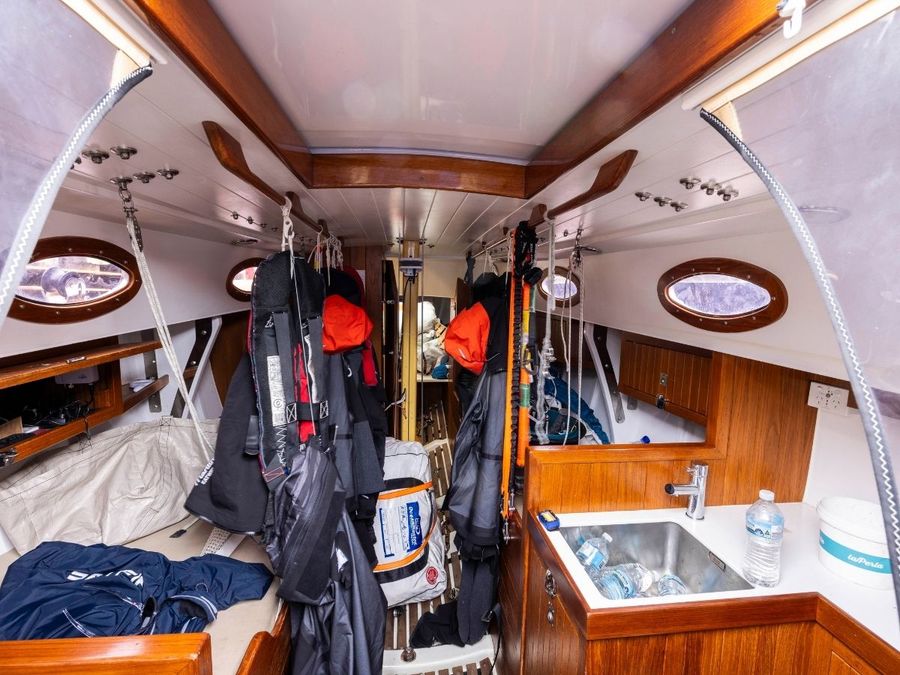
Katwinchar did not finish the Sydney Hobart. She came home with her hull intact, her crew uninjured, and no outside assistance required. Spies is unequivocal: given the same circumstances, he would make the same call. Whether Katwinchar returns to the race is an open question, one that will be answered by conditions and acceptable risk rather than impulse or pride.
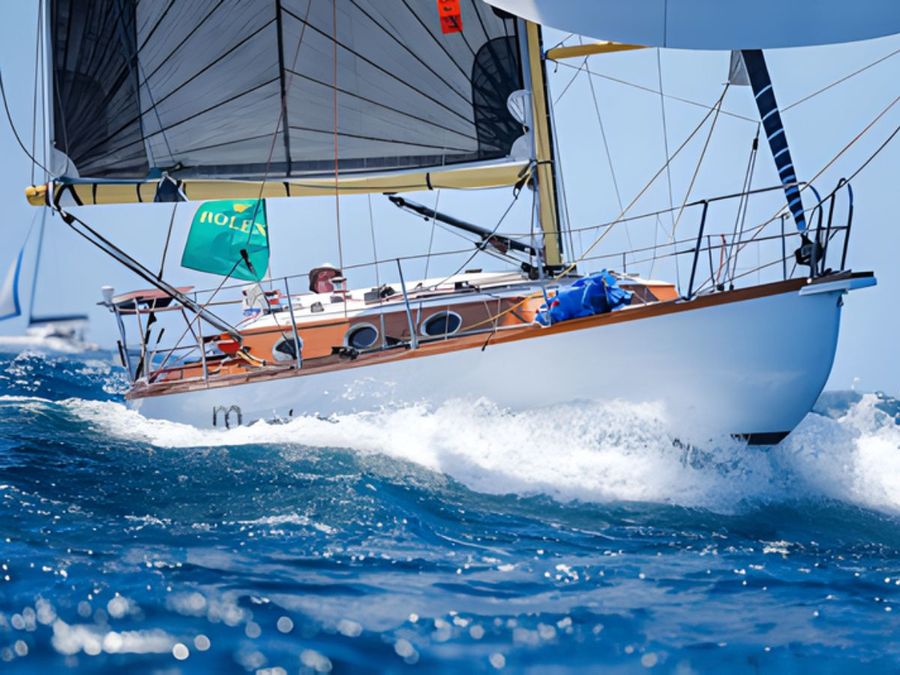
What the campaign leaves behind is a reminder that seamanship has never been solely about pressing forward. Sometimes it is about reading a situation with clear eyes and knowing when enough is enough. Offshore, that kind of judgement is what endures longest.