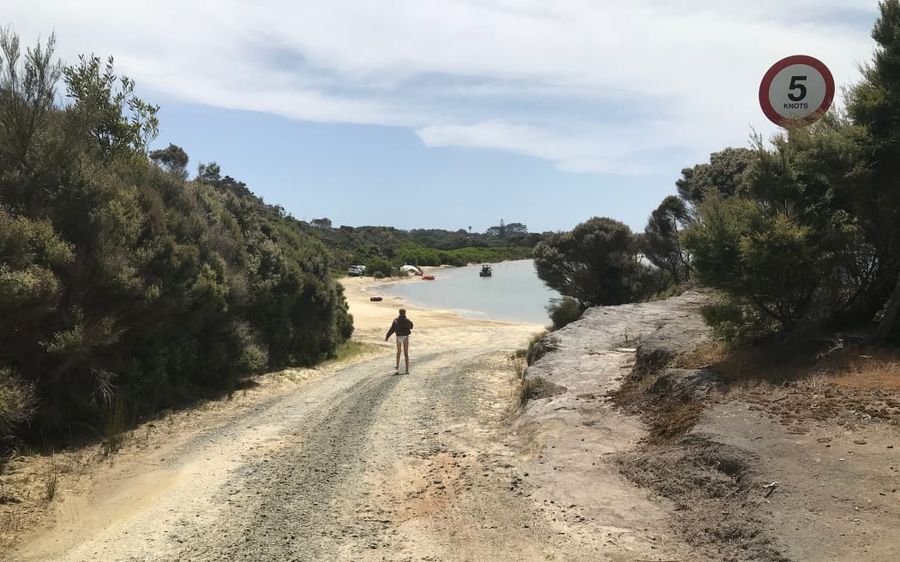
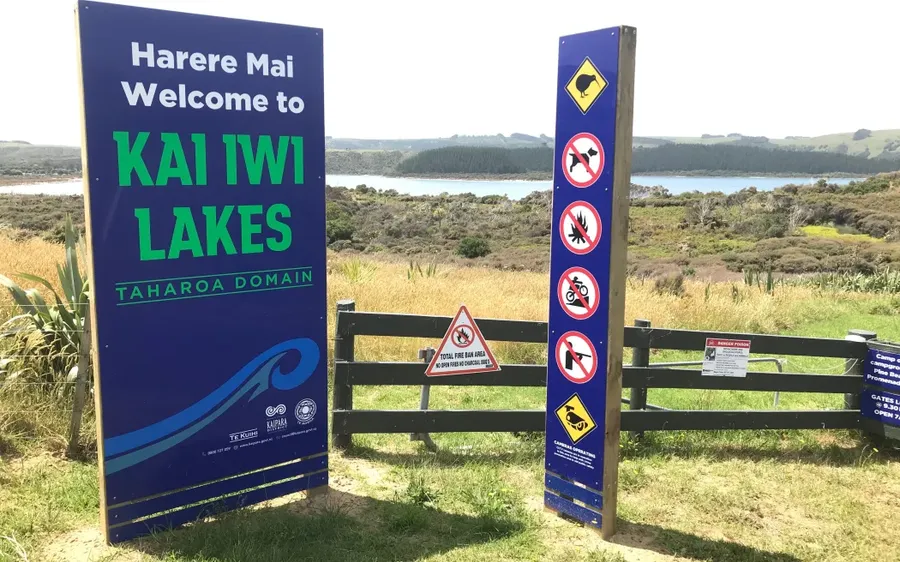
Calls to close Kai Iwi Lakes to boating are growing ahead of the peak summer camping season, with Kaipara leader Ric Parore pushing for the move before Christmas as the threat from invasive freshwater gold clams grows.
The urgency behind Parore's push was sharpened by news that gold clams have now reached Taranaki, more than 200 kilometres from their established stronghold in the Waikato River. Authorities believe the clams, found on 2 November by a member of the public near a Lake Rotomanu boat ramp, most likely arrived on a vessel that had come from an infected area. That lake was closed to boating on 12 November.
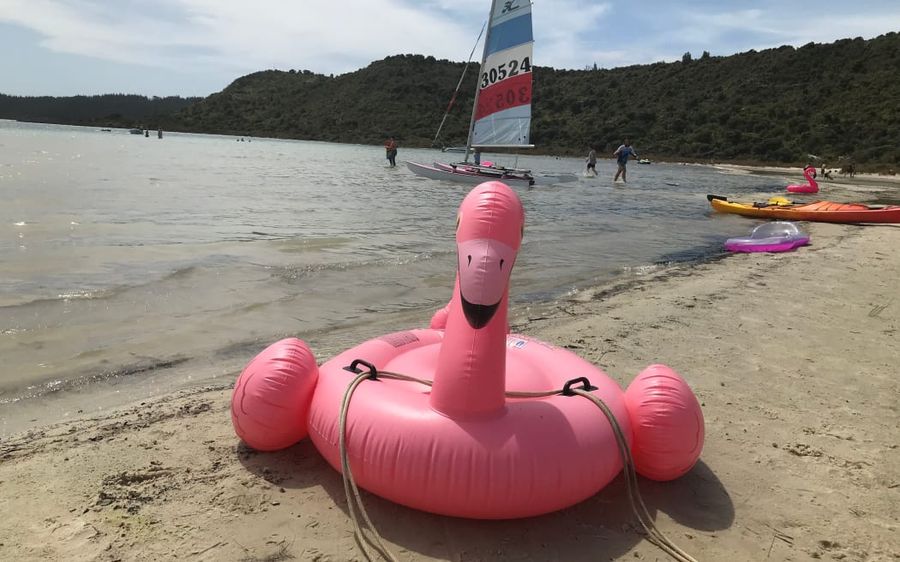
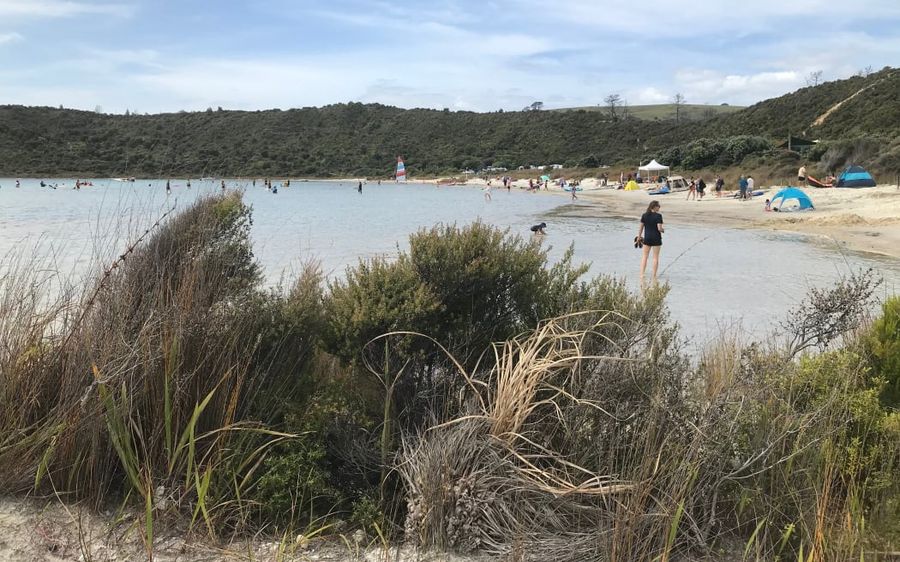
Kai Iwi Lakes is about to enter its busiest period of the year, with around 7500 people expected to camp there over summer and close to 19,000 visitors forecast for the year as a whole. Many will arrive with runabouts, jetskis, kayaks, yachts and other watercraft. Parore, of Te Kuihi, said the Taranaki find made it clearer that the pest could reach Kai Iwi Lakes, an area authorities had already identified as being at risk. He planned to raise the question of closure at a Northland Regional Council (NRC) Kai Iwi Lakes working party meeting in Dargaville on Thursday.
Alan "Sonny" Nesbit of Te Roroa, based in Dargaville, said gold clams are the worst pest the dune lakes have ever faced. The spread from the Waikato to Taranaki showed that New Zealand's biosecurity controls for the pest were not working in that part of the country.
The invasive species can also clog boat engines and working parts, as well as dams, pumps, and hydro-electric power station intakes.
NRC deputy-chair Jack Craw said the regional council strongly supported a temporary ban on powered watercraft. "Powered watercraft pose the greatest risk because they are difficult to clean thoroughly. This ban would provide an immediate safeguard to the lakes, local businesses and surrounding communities," Craw said. Kaipara District Council (KDC) voted against the ban despite that advocacy, along with strong mana whenua support and a recommendation from the council's own Taharoa Domain governance committee, which had sought closure from Labour Weekend until a government controlled area notice was in place or an alternative solution found.

KDC owns the two campgrounds at Kai Iwi Lakes, which generate considerable income for the council. Nesbit claimed KDC was only interested in the lakes as a revenue source, with campground earnings taking priority over the health of the ecosystem.
Craw said NRC had approached Biosecurity New Zealand in May, requesting it implement a controlled area notice (CAN), a legal pest-management tool, for the lakes, but had not heard back. Biosecurity New Zealand Manager pest management programmes Dr Cath Duthie said on Thursday that more information had been sought from NRC and would be considered once it was received.
KDC manager community services Glynis McCarthy said legal advice had indicated the council did not have the authority to close the Lake Taharoa boat ramp under the Reserves Act, and that any attempt to do so could face a legal challenge. McCarthy said KDC had taken steps to support NRC's efforts, including keeping councillors updated, ensuring space for clam education at the boat ramp, and making certain that NRC, Te Roroa, and Te Kuihi educators had formal warranted authorisation to operate there.
Duthie did not address directly whether national controls were currently adequate. "The risk that the invasive clam may spread from the Waikato River remains because the clam is a prolific breeder and can be easily spread by juveniles attaching to the surfaces of boats and water gear," she said.
Not everyone at the lakes wants to see them closed. Gordon Gilmour, an Auckland visitor who comes to Kai Iwi Lakes year-round from the Baylys Beach bach his family bought four years ago, supported KDC's decision. He and Omamari residents Rodney and Julie Field had both spoken against closure at the KDC meeting where councillors rejected the proposal.
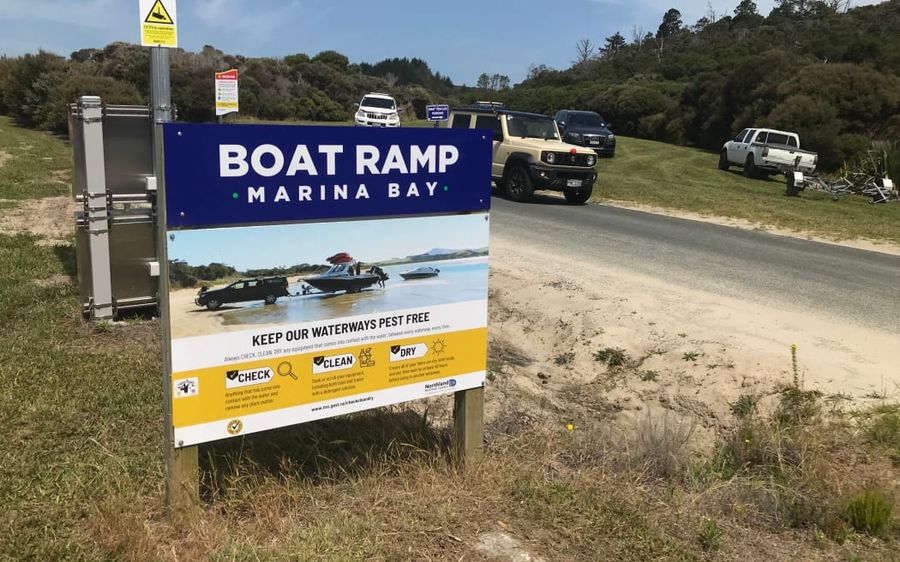
Gilmour said more needed to be done to keep the pest out, but noted that his family's two jetskis were used only at Kai Iwi Lakes and therefore posed no risk of spreading clams from elsewhere.
Rodney Field, of Te Ātiawa, also did not want to see the lakes closed, arguing the focus should be on making prevention measures more effective. He is pushing for a hot water boat wash station combined with air drying for vessels heading to Kai Iwi Lakes, and has offered to contribute financially to a joint venture to set one up on his property near the lakes, land he has also made available for that purpose. In his view, the existing measures covering education, signage, and peak-season cold water blasting for boats do not go far enough. "We need hot wash stations and hot air drying for boats. Cold water boat washing doesn't kill the clams," Rodney said. He recently travelled to Lake Powell, a major holiday destination reservoir on the Colorado River in the United States, to observe clam prevention control technology in operation.