Three people owe their lives to the simple act of wearing a lifejacket, after their vessel capsized beyond the Kaipara Bar on Saturday afternoon in an incident that also highlighted the courage and skill of New Zealand's volunteer Coastguard crews.
The drama began just before 5.30pm, when Coastguard Kaipara received reports of three people in the water outside the Kaipara Bar. The group had been attempting to cross the harbour entrance when their vessel capsized, and an outgoing tide swept them beyond the bar. They remained in the water for a considerable time before a passing vessel spotted them and hauled them aboard.
Every one of the three had been wearing a lifejacket.
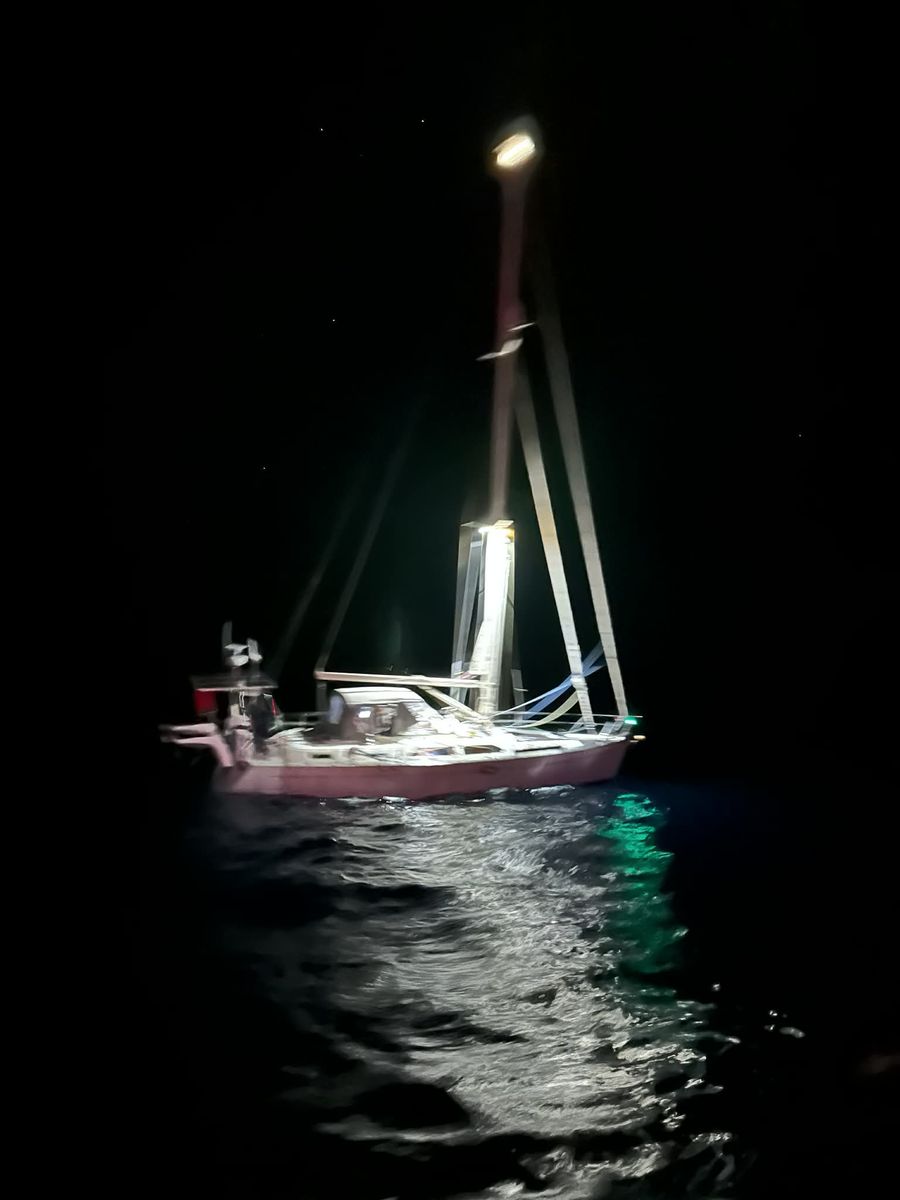
The boaties who came to their aid found the survivors cold, exhausted, and in need of medical attention. With extra people now on board and the bar in difficult condition, a safe return crossing was out of the question. At that point, Coastguard Kaipara was called.
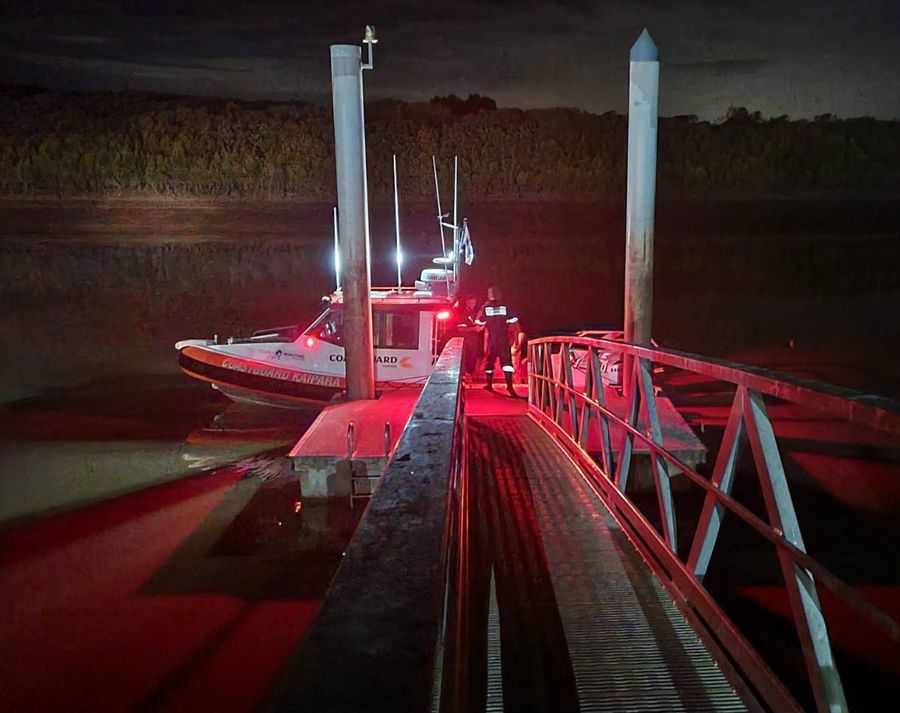
A volunteer crew of five put out aboard Winstone Rescue and reached the other vessel just before 7.30pm. The three survivors were transferred across, given further first aid, and brought back to Parakai, arriving at around 9.15pm to find Hato Hone St John crews on standby.
Coastguard Kaipara skipper Joe Davison was direct about what had made the difference. "This is another example of lifejackets saving lives. All three did remarkably well to stay calm and look after each other in the water before rescue. Without lifejackets, it may have been a different story."
The mission was no easy run. The volunteer crew crossed the bar in three-metre swells and steep beam seas, and by the time Winstone Rescue returned to base, it had been a long and physically punishing evening. Davison was equally keen to acknowledge the members of the public whose swift action had been the immediate lifeline for the three in the water. "We're lucky to have fantastic boaties out there who step up when needed," he said.
The Kaipara Bar carries a well-earned reputation for danger. Tidal flows and sea conditions can change quickly and without warning, and this incident is a sharp illustration of how fast a crossing can go wrong. The survivors gave themselves a fighting chance by wearing their lifejackets, staying together, and attempting to report their crossing before trouble struck. Even so, rescue ultimately came down to the chance passing of another vessel.
Coastguard New Zealand recommends that anyone crossing a bar carry a handheld VHF radio and a personal locator beacon clipped directly to their lifejacket, keeping critical equipment within reach from the moment it is needed most.
The bigger picture deserves attention too. Without the thousands of volunteers stationed at bases around the country, New Zealand would have no dedicated maritime search and rescue service. These men and women respond at all hours and in all conditions, and have done so for generations, forming the backbone of on-water safety across the country.
Government funding accounts for around 40 percent of Coastguard's operating costs. The remaining more than $30 million needed each year is drawn from memberships, donations, and community support, meaning every contribution has a direct bearing on the organisation's ability to respond when it matters.
Beyond membership, direct donations, fundraising campaigns, and initiatives such as the Coastguard Lottery offer further ways to support those crews.
The lesson from Saturday is not a complicated one. Prepare thoroughly, wear your lifejacket, and carry the right gear. The Coastguard will be there when things go wrong. The choices made before leaving the ramp, however, remain the most important of all.