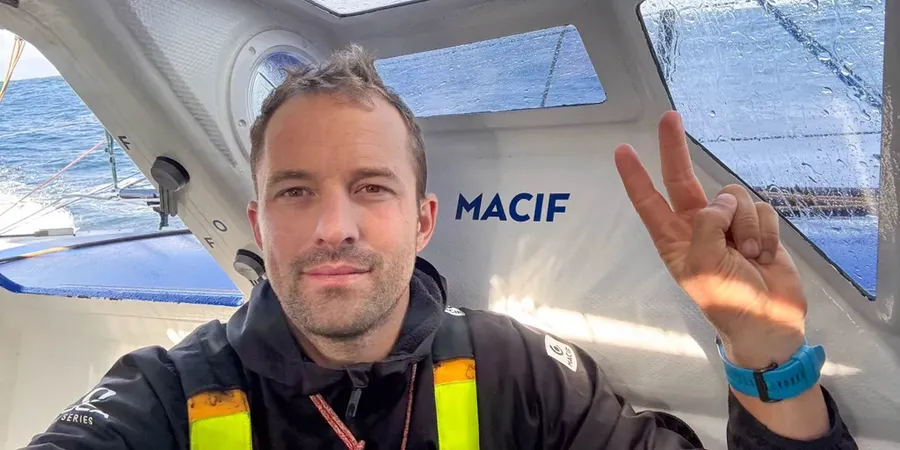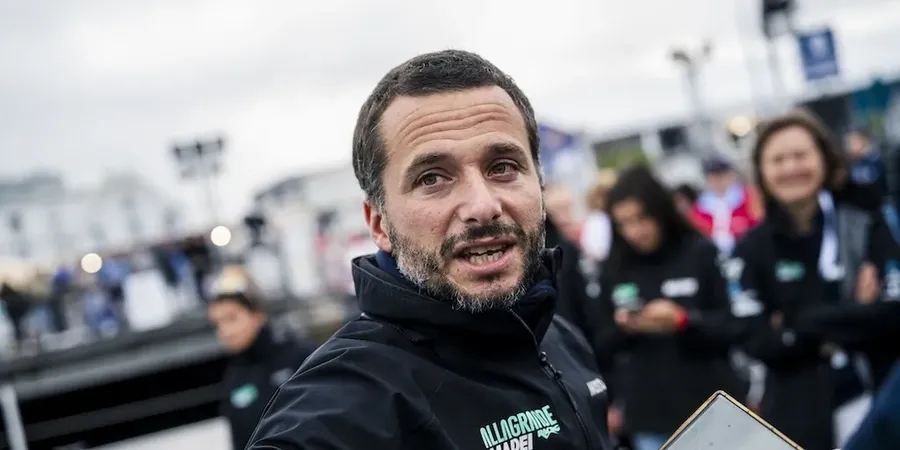
The race nearly stopped before it could begin to matter. Ambrogio Beccaria arrived at the start of the Vendée Arctique, Les Sables d'Olonne carrying the kind of dread that strips sleep and refuses to leave, and the opening leg did nothing to ease it. Electrical blackouts struck early. The autopilot failed, then failed again. Rivals pulled clear while Beccaria fought systems that seemed determined to betray him at every turn, and the thought of abandoning altogether began pressing in with real weight.
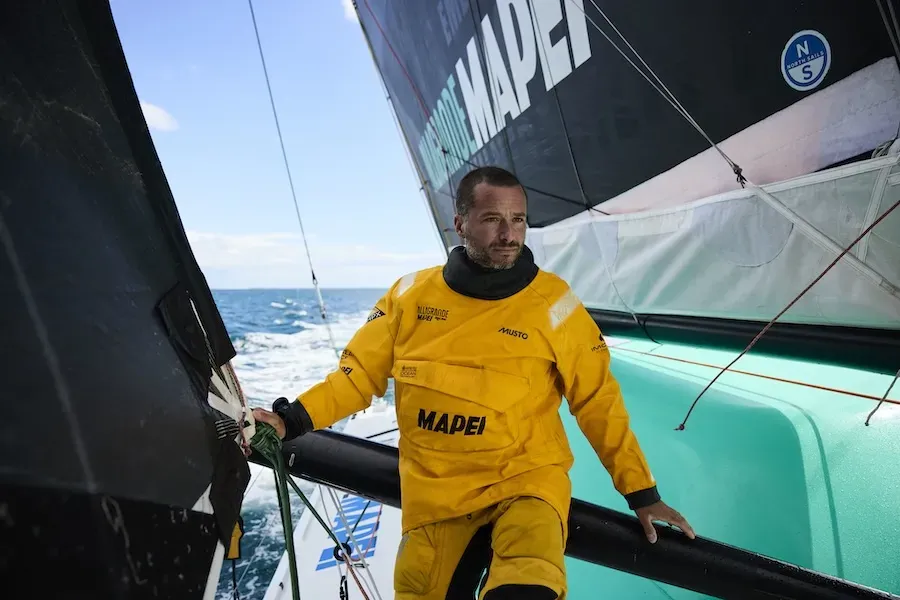
Eight days and fourteen hours after the start gun, he crossed the finish line first, in a finish tight enough to sustain argument for months. The distance between that arrival and those grim opening hours is the real substance of his story.
Before any of that resolution, the opening day and a half had been relentless. Beccaria had carried pre-start tension straight onto the water, unable to shake the stress that had already cost him sleep the night before. "I had a lot of stress inside me. I'd hardly slept the night before," he recalled. The electrical blackout and the cascading autopilot failures arrived on top of that, each problem feeding the next, locking him into a private crisis while the rest of the fleet extended its lead.
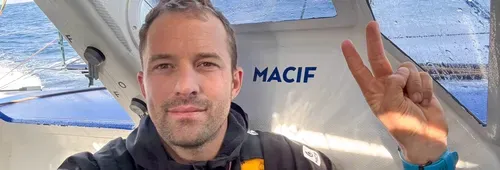
The turning point came in circumstances that no race campaign ever schedules. A fishing net, along with a buoy, had wrapped itself under the keel of his IMOCA. No sailing manoeuvre would shift it. Beccaria went into the water. He did it five times, each drop into near-freezing conditions lasting only as long as his body could bear, clearing the obstruction by hand when every other option had come to nothing. It was unglamorous, punishing work, and it changed everything. "Once I'd fixed it, paradoxically, I immediately felt more relaxed," he said. The anxiety that had gripped him since before the start broke apart. Sleep came back. Coherent thinking followed.
With the keel clear and his mind settled, Beccaria pushed north toward the polar circle. The cold deepened and the light changed as he overhauled Francesca Clapcich of 11th Hour Racing Team and drove deeper into Arctic waters. Crossing that latitude might have been expected to carry some weight, but Beccaria was candid about what it actually felt like. On the GPS it registered as a coordinate, and the water on either side looked the same. He paused on it nonetheless, because he understood something about the relationship between the symbolic and the practical. "I have mental preparation, and I know that what's symbolic matters psychologically," he said. The rational and the emotional rarely keep pace with each other out there.
The return leg south became a sustained chase, Beccaria working back through the fleet with a focus forged in those dives beneath the hull rather than drawn from a clean, untroubled campaign. What he brought to the finish was not the easy confidence of a sailor who had met no serious trouble, but a harder variety of self-belief, assembled piece by piece from problems confronted and solved under pressure. The deficit that had looked insurmountable in those early hours became, in the end, a lead at the line. It is not the kind of victory that reduces easily to a scoreline.