Northland's harbours are about to come under close scrutiny from beneath the surface. From November, the Northland Regional Council (NRC) will deploy divers and contractors to check more than 2000 vessel hulls across the region, searching for hitchhiking marine pests that can spread undetected during the busy summer months.
Biosecurity Manager, Marine, Kaeden Leonard, points to summer as the peak risk period, when boat traffic is at its highest and the chances of invasive species moving between locations are greatest. The inspection teams will cover a wide range of vessels, from small recreational craft to large commercial ships, working across more than a dozen of Northland's harbours.
“Vessel hulls are the most common way for marine pests to hitch a ride,” Leonard says. “Our Marine Pathway Management Plan sets out clear rules to help stop the spread.”
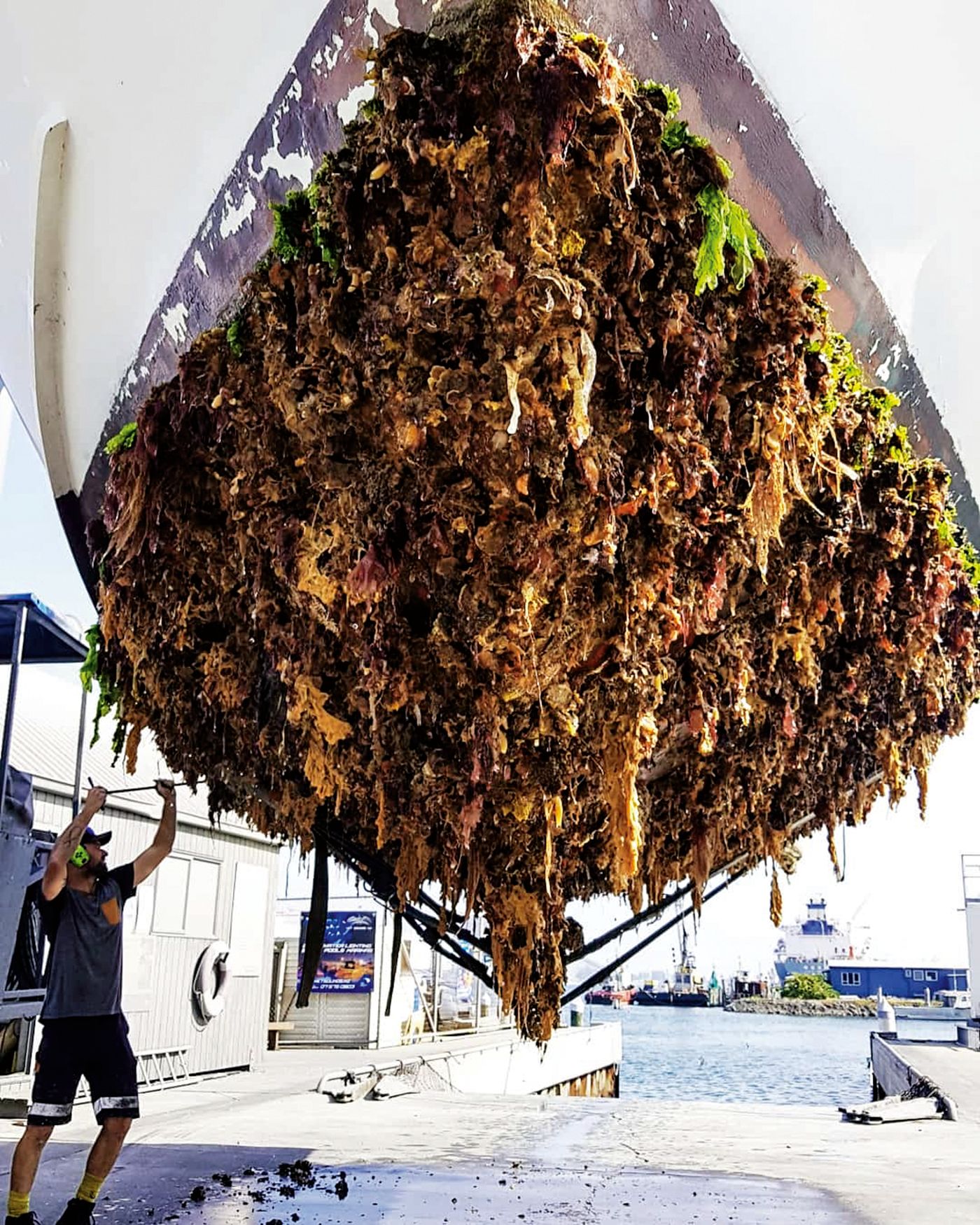
Any vessel entering Northland waters or moving between harbours must meet a clear standard: no more than light fouling, defined as a slime layer plus minor barnacle growth or macrofouling patches covering less than five percent of the hull's surface. Divers will pay particular attention to the spots where pests tend to go unnoticed, including keel bases, water intakes, and bow thrusters. Vessel owners whose hulls are found to carry infestations may face the cost of hauling out for cleaning.
In-water cleaning is only permitted where fouling is genuinely light. Illegal scrubbing carries a $750 fine, and the council encourages boat owners to make use of designated lift-and-wash facilities rather than take matters into their own hands in the water.
The renewed programme builds on a genuine biosecurity achievement. Mediterranean fanworm has been completely eradicated from Mangōnui Harbour following five years of joint surveillance work funded by the NRC and Biosecurity New Zealand.
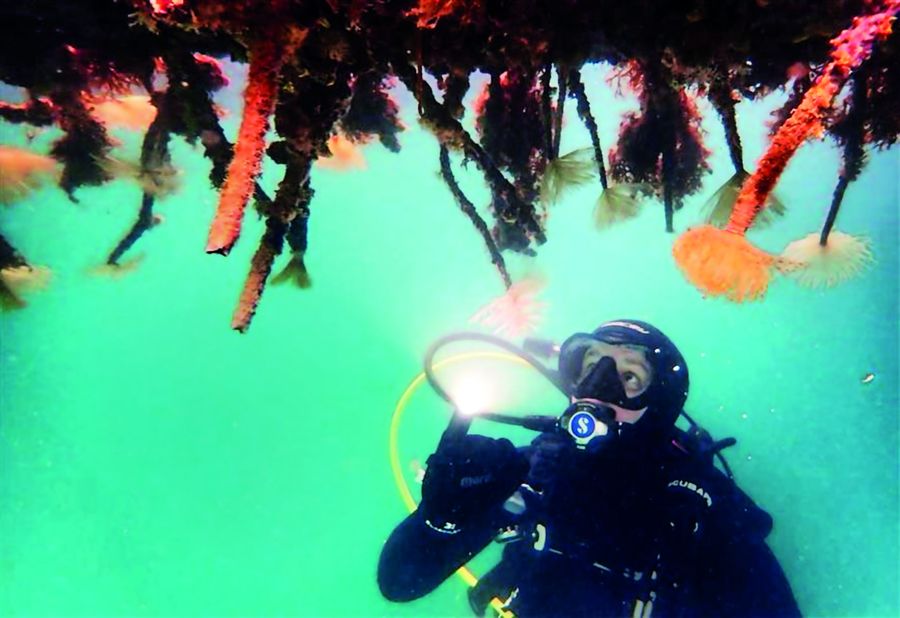
The picture is more mixed elsewhere. Tutukākā remains fanworm-free, and active removal work is continuing at Mangawhai Harbour. In areas where fanworm is already well established, including Whangārei, Whangaroa, and Ōpua, teams will be maintaining extra vigilance to limit further spread.
Beyond fanworm, divers will be on the lookout for a range of other unwanted species, among them exotic Caulerpa, Asian date mussel, and clubbed tunicate. They will also be watching for species not yet present in the region, such as the northern Pacific seastar and European green crab. Leonard is asking all skippers to do their part before heading to new cruising grounds, checking and cleaning hulls, anchors, cray pots, and ropes before departure.
Boat owners who want to confirm whether their vessel has been inspected can contact the team by emailing marinebiosecurity@nrc.govt.nz with their boat name and berth location.
Keeping a clean hull, Leonard says, is the single most effective action any boatie can take to safeguard Northland's harbours and coastlines for everyone who uses them.