The selection process for the 2026 Auckland Wooden Boat Festival is now complete, with organisers confirming a fleet that spans centuries of New Zealand maritime history and reflects the breadth of the country's wooden boat tradition.
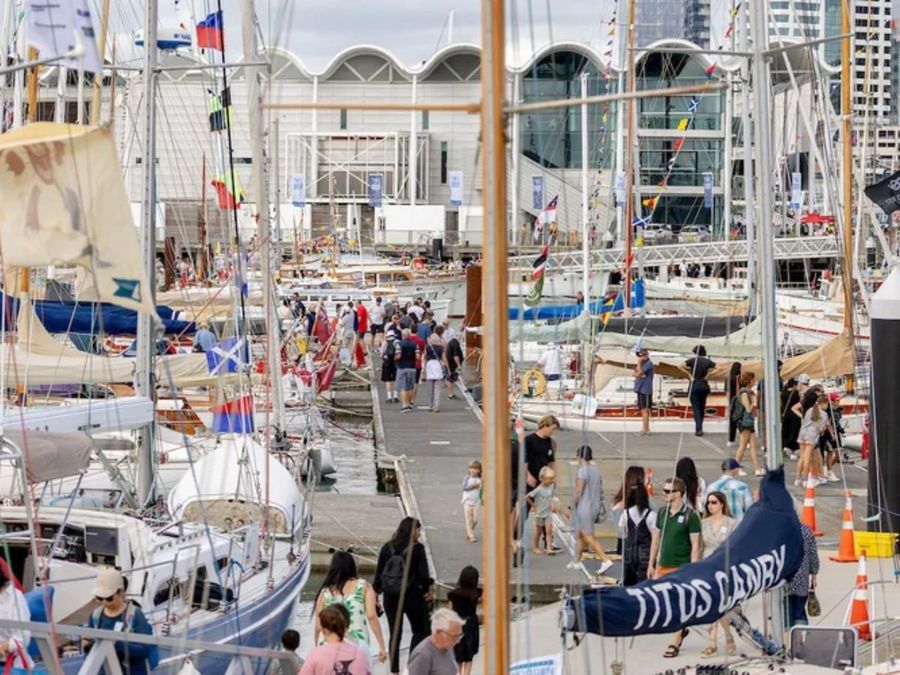
Scheduled for 13 to 15 March as part of the wider Moana Auckland programme, the festival returns to its established home across the Viaduct Events Centre, Jellicoe Harbour, and Wynyard Wharf. The scale of the event is considerable: more than 110 boats will be moored on the water, with a further 80 vessels displayed on land. Inside the Viaduct Events Centre, visitors will find upwards of 60 model boats, a range of exhibitors, hands-on activities, and a two-day seminar programme whose full details are yet to be announced.
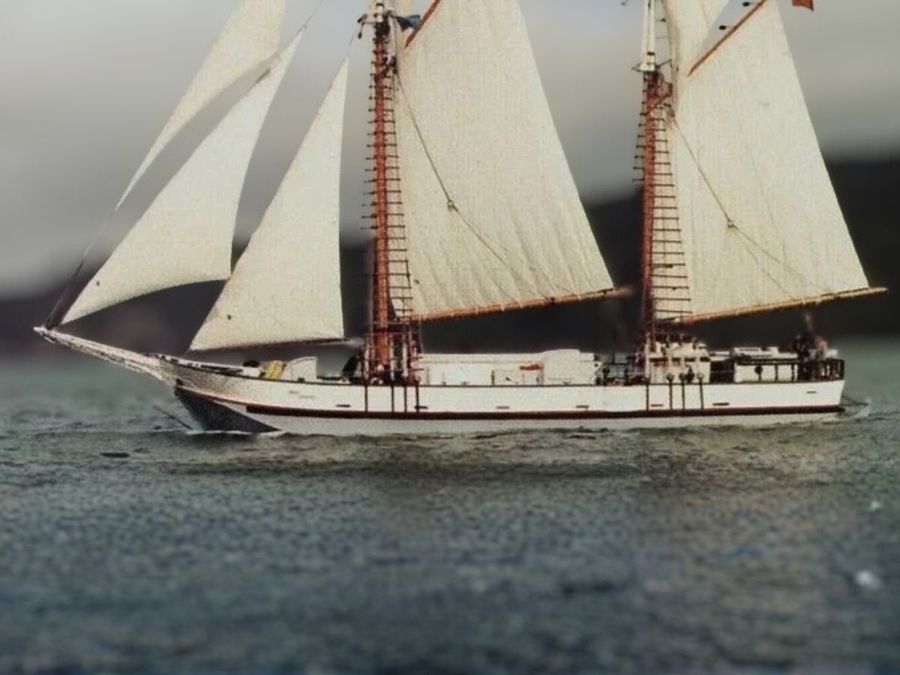
Two of New Zealand's most celebrated scows headline the confirmed fleet. Jane Gifford and Ted Ashby will both attend, offering visitors a rare chance to see these flat-bottomed working vessels together. Both serve as tangible reminders of the practical ingenuity that shaped New Zealand's early coastal economy.
The New Zealand scow emerged in the late 1800s as a direct answer to the challenges posed by the country's shallow harbours, shifting sandbars, and river mouths. Flat-bottomed, fitted with leeboards rather than deep keels, and built with wide open decks to maximise cargo capacity, scows became the freight carriers of a young nation. At a time when roads were few and rail links still incomplete, they hauled timber, stone, sand, gum, and farm produce up and down the coastline, routinely beaching at low tide to load and unload directly from the shore. Restored examples like Jane Gifford and Ted Ashby remain deeply woven into New Zealand's maritime identity.
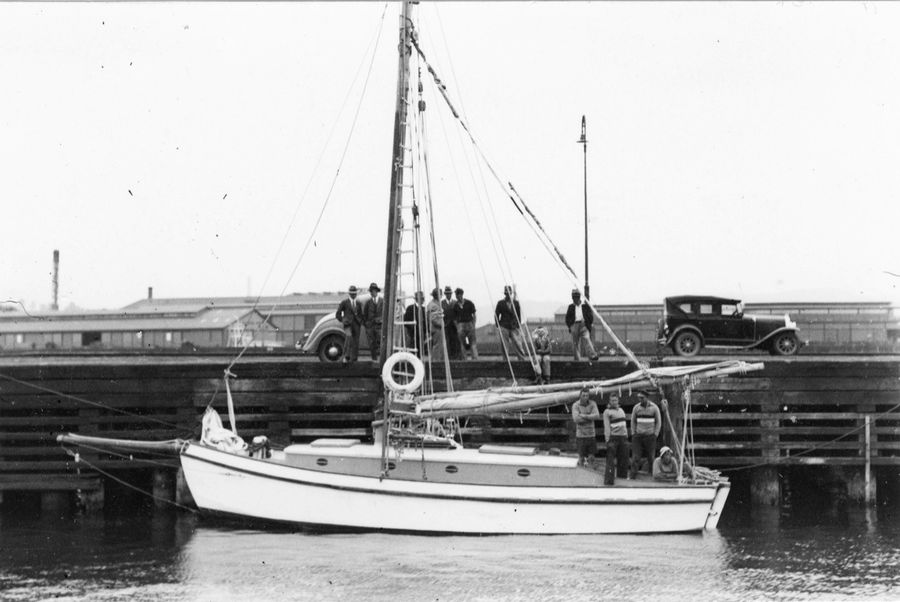
Another significant addition to the programme is Vega, an 80-year-old ketch whose biography reaches well beyond the boatyard. Built in Whangārei and launched in 1949, Vega went on to earn international recognition through decades of environmental and peace activism. Operating at various times as Greenpeace III, the vessel participated in protests against nuclear testing, whaling, and other environmental causes, including direct-action voyages across the Pacific and further afield. Its presence at the festival brings a distinct dimension to the wooden boat story, connecting fine craftsmanship with some of the more turbulent chapters of recent social and political history.
The broader fleet takes in clinker dinghies, lake boats, canoes, smaller sailing craft, and the return of the A class yacht fleet. A live wooden boat build will also run across the festival, giving visitors the opportunity to watch traditional boatbuilding skills being practised in real time.
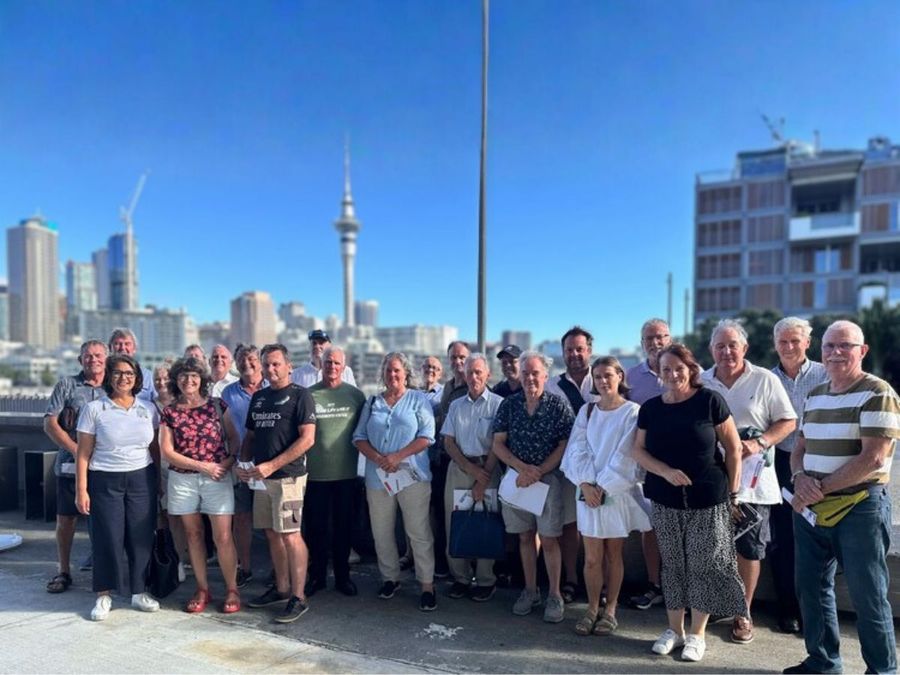
The confirmed fleet is the result of a thorough selection process carried out over the past fortnight, during which the festival committee worked through the Expressions of Interest received. Demand exceeded available space, meaning not every applicant could be accommodated. Owners have since been informed whether they hold a confirmed berth or have been placed on a waiting list.
The festival committee has acknowledged the enthusiasm shown by the wooden boating community, with Jellicoe Harbour set once again to be transformed into a densely packed marina of historic craft. Further details, including individual vessel profiles and the seminar programme, will be released in the lead-up to the event.