From East Timor to maritime patrols and disaster response, Headquarters Joint Forces New Zealand has spent 25 years coordinating New Zealand’s armed services.
Headquarters Joint Forces New Zealand has marked 25 years of coordinating New Zealand’s military operations at home and overseas.
Known within the New Zealand Defence Force as HQ JFNZ, it brings together the Royal New Zealand Navy, New Zealand Army and Royal New Zealand Air Force. Specialists in logistics, health, communications and training also work within the command.
Most New Zealanders will never see the work carried out at Trentham. Its decisions, however, shape almost every major NZDF deployment.
Those deployments range from overseas military operations to maritime patrols and regional exercises. The same headquarters also helps direct Defence support during emergencies at home.
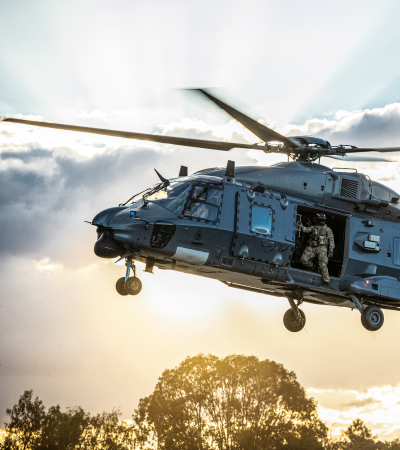
The anniversary arrives during a demanding period for the NZDF.
Commander Joint Forces New Zealand Major General Rob Krushka says the international environment has become increasingly difficult.
“There is no doubt that we face a more uncertain, volatile time in the world,” he says.
The war in Ukraine continues, while conflict has spread across several parts of the Middle East. Strategic competition is also growing across the Pacific.
NZDF planners must now prepare for several operations running at the same time. Ships, aircraft, vehicles, personnel and supplies may need to move across widely separated regions.
Why Headquarters Joint Forces New Zealand was created
New Zealand’s deployment to East Timor exposed the need for one operational headquarters.
The mission involved a large Army contingent, supported by Royal New Zealand Navy and Royal New Zealand Air Force assets.
The Air Force Operations Command in Auckland initially directed the deployment. As the mission grew, that arrangement became harder to manage.
New Zealand needed a headquarters that could plan and command operations involving all three services.
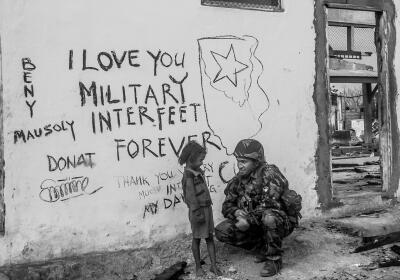
The Government was also seeking closer coordination across Defence planning and equipment purchasing.
In early 2000, Chief of Defence Force Air Marshal Carey Adamson asked Brigadier Martyn Dunne to establish the new command. Dunne was serving in East Timor at the time.
Prime Minister Helen Clark supported the proposal.
Dunne started with three staff. Eighteen months later, Headquarters Joint Forces New Zealand was operating around the clock.
It opened on 1 July 2001.
Little more than two months later, the September 11 attacks changed the international security environment.
HQ JFNZ quickly became involved in New Zealand’s deployment to Afghanistan. Its staff supported the movement of Special Air Service personnel and Royal New Zealand Air Force aircraft.
Directing deployed personnel formed only part of the job.
The new command needed procedures for intelligence, communications, security, staffing and logistics. It also had to support New Zealanders working in dangerous places, often far from home.
Joint Forces personnel moved into a converted communications building at Trentham in Upper Hutt.
Planners deliberately chose a site outside central Wellington. If an earthquake disrupted the capital, Defence would retain a secure command centre nearby.
Headquarters Joint Forces New Zealand unites the services
The Government approves a military mission. HQ JFNZ then plans the deployment, sends the assigned force and supports it throughout the operation.
For the Navy, joint command means ships can draw on capabilities from across the NZDF.
A maritime mission may need Air Force surveillance, Army personnel, intelligence teams, medical support and a reliable supply chain. Staff at Trentham bring those requirements into one plan.
Humanitarian deployments call for the same coordination.
A Navy vessel might carry people and supplies into an isolated coastal community. Aircraft can survey damaged areas and move urgent cargo. Army teams can then begin work ashore.
Planning those tasks together helps commanders understand what each service can provide. It also gives deployed personnel one operational command structure.
Former Commander Joint Forces Rear Admiral Jack Steer saw the system develop from both naval and headquarters appointments.
%20Martyn%20Dunne-900x640.jpg)
Steer joined HQ JFNZ as chief of staff in 2003. He later became Maritime Component Commander, then Commander Joint Forces in 2006.
Some senior personnel remained doubtful about joint command during its early years.
Deployments to Afghanistan and East Timor helped change those views.
Naval officers, soldiers, aviators, medical specialists and logistics staff could now plan in the same room. Commanders no longer needed to piece together separate plans from each service.
Joint planning gradually became the NZDF’s normal way of working.
Overseas missions and emergencies at home
HQ JFNZ has directed or supported operations across several regions during its first 25 years.
Its staff helped plan New Zealand’s deployments to Afghanistan and East Timor. More recent commitments have included the Korean Peninsula, Ukraine and missions across the Middle East.
The headquarters has also worked through some of New Zealand’s darkest days.
Its domestic responses have included the Pike River mine disaster and the Christchurch earthquakes. Defence personnel also supported the response to the Christchurch mosque attacks, the Whakaari White Island eruption and Covid.
Civil emergencies can be difficult to manage. Police, health services, government departments, councils and rescue agencies may all hold part of the responsibility.
Military commanders must fit Defence personnel and equipment into that wider response. They may have little time to establish who needs what, and where.
%20Jack%20Steer-900x640.jpg)
Former Commander Joint Forces Rear Admiral Jim Gilmour says staff reviewed their work after each major emergency.
Whakaari showed how difficult command can become when several agencies must make urgent decisions together.
Reviews after major operations allow planners to identify problems and change their procedures.
They also help preserve knowledge as military staff move through different appointments. The system cannot depend on one commander remembering how an earlier emergency was handled.
Headquarters Joint Forces New Zealand looks towards the Pacific
The world facing HQ JFNZ in 2026 differs greatly from the one it entered in 2001.
New Zealand still contributes to operations far beyond the Pacific. Events closer to home, though, now demand more planning and attention.
The Pacific presents military, environmental and logistical challenges.
Competition between larger powers is growing. Severe weather continues to affect island communities. New Zealand must also maintain awareness across an enormous maritime region.
%20Kevin%20Short.jpg)
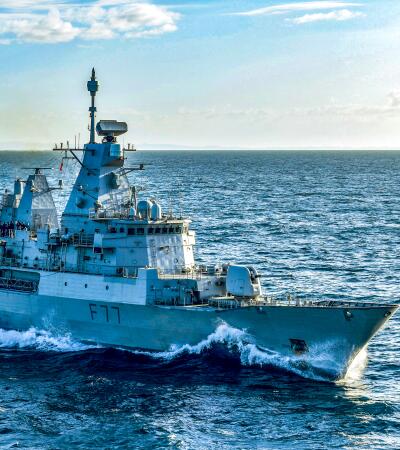
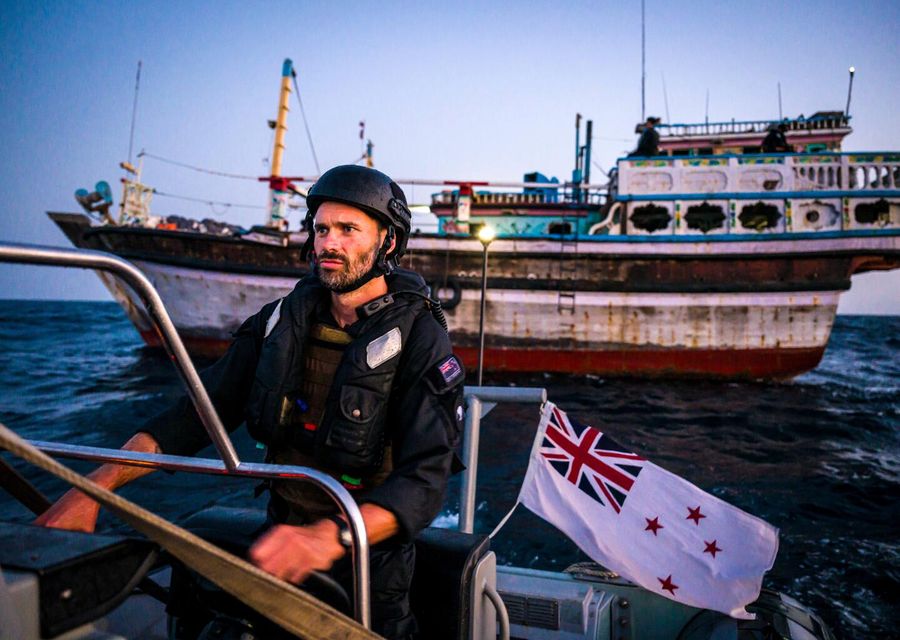
Royal New Zealand Navy ships carry much of that work at sea.
Their tasks include fisheries patrols, surveillance, regional engagement and disaster relief. They may sail with Air Force aircraft overhead, Army teams aboard and personnel from partner nations alongside them.
Exercises allow those forces to work together before an emergency tests them.
Director of Operations Group Captain Brendon Clark says current exercises across Southeast Asia and the Pacific give personnel from every service the chance to test their skills.
Joint Forces planning covers urgent deployments and programmes extending up to five years.
The Joint Campaign Plan connects the NZDF’s maritime, land and air priorities. Each service retains its specialist skills, while the headquarters fits those capabilities into a common operational plan.
East Timor revealed a weakness in the way New Zealand commanded combined deployments. The answer began with three people and a new headquarters at Trentham.
Twenty five years later, that headquarters connects government decisions with sailors, soldiers and aviators wherever they are sent.
Its influence can be seen when a Navy ship deploys into the Pacific, an aircraft carries aid after a cyclone or troops join an overseas mission.
The planning begins long before the public sees the ship sail or the aircraft leave the runway.