Richard Brisius was 21 years old, bruised by cold and exhausted somewhere deep in the Southern Ocean, when New Zealand made itself known not through sight but through smell. A green, earthy scent drifted out from the Northland coast before the coastline itself came into view. He rounded Cape Reinga, picked his way south through the Hauraki Gulf past Devonport, and arrived at the Viaduct to a wall of noise and a crowd he has carried with him ever since.
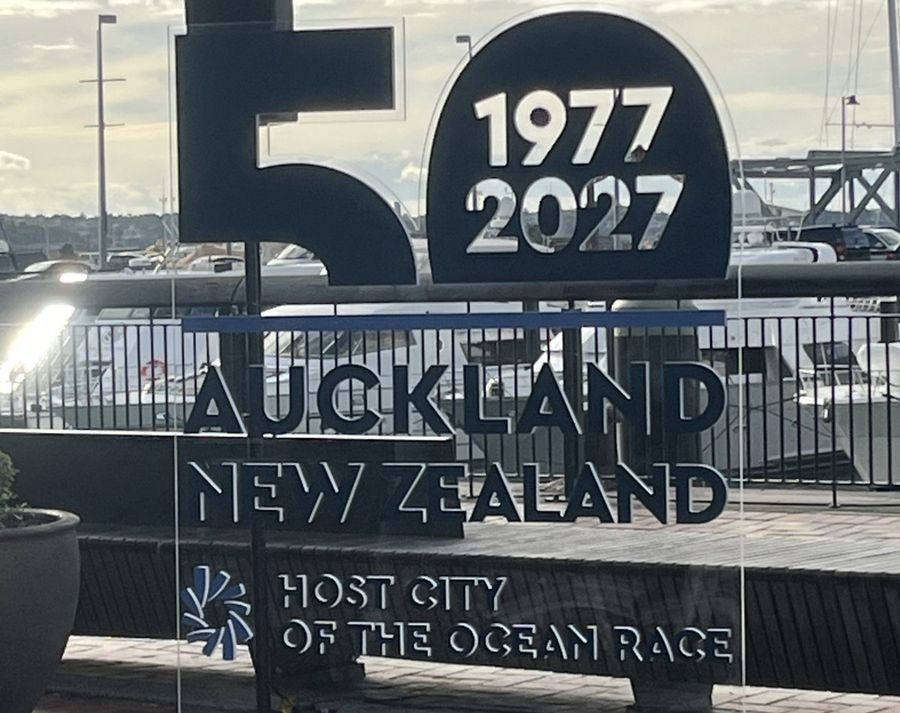
That memory, now more than four decades old, formed the backdrop to an announcement made in Auckland confirming the Ocean Race will return to New Zealand in February 2027. The government has committed an investment of up to $4 million, and the stopover will run from 20 February through to 14 March.
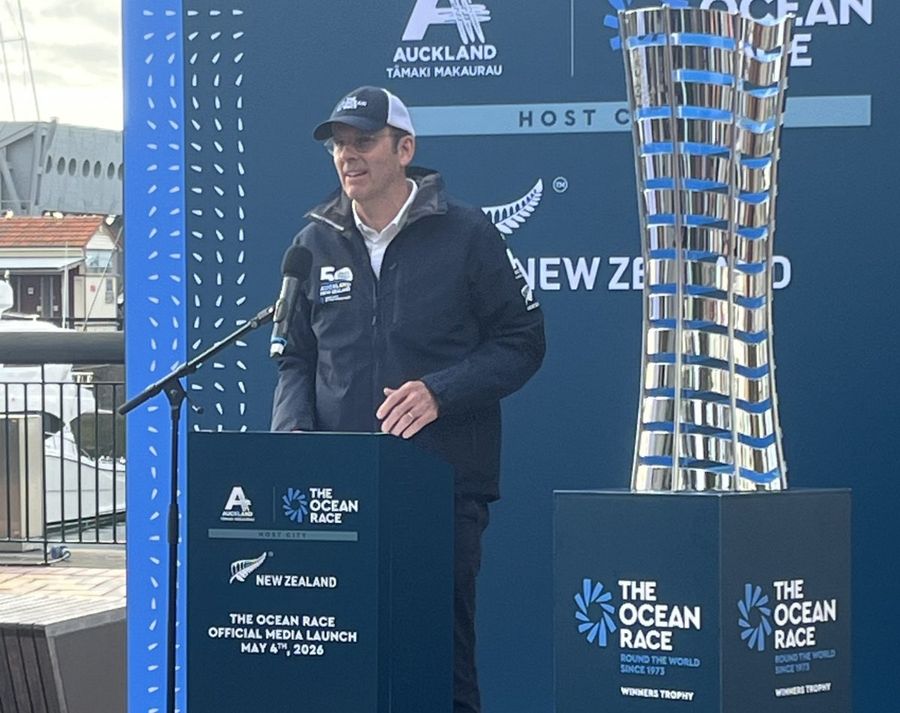
Brisius, who now serves as co-owner and race chairman, spoke at a gathering at the Viaduct attended by Minister of Tourism Louise Upston, Auckland Mayor Wayne Brown, and a room packed with New Zealand sailing royalty. He left no room for ambiguity about what Auckland means to the event. "This is the spiritual home of the Ocean Race," he said. "And to me it's a personal thing because New Zealand and Auckland is something I really care about."
His visit was not an exercise in sentiment, though. Brisius arrived with a direct challenge for a country he believes has been slowly drifting away from the race it once owned. "The Kiwis used to be the kings of the ocean," he said. "They used to rule the round the world race. And what's happening now is that the breed of New Zealand round the world racers is a diminishing species. It's not extinct yet, but I think this cannot continue."
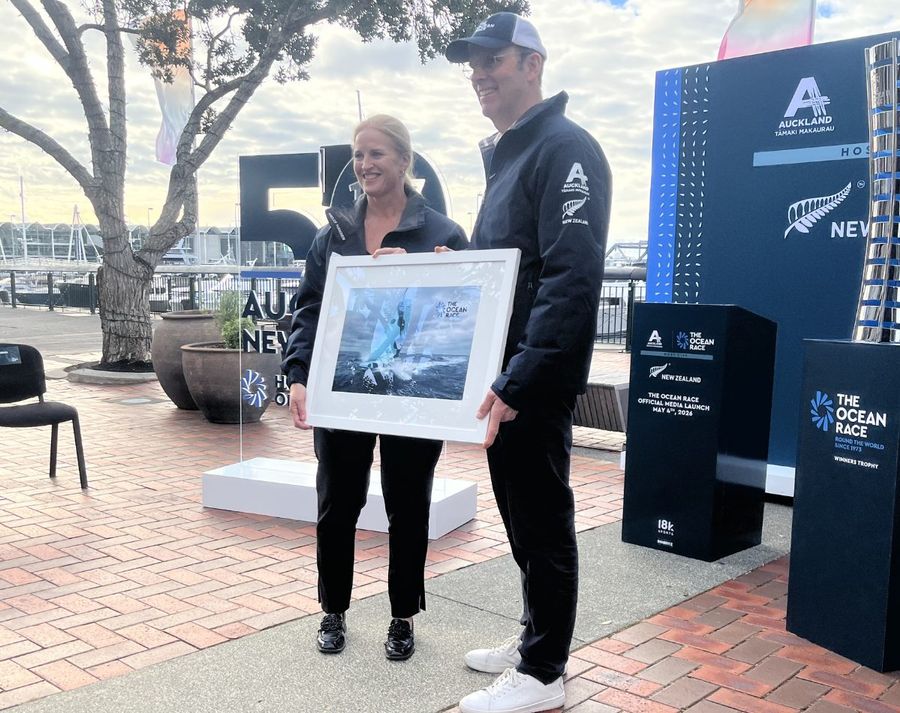
He was careful to recognise that elite New Zealand offshore sailors remain highly visible at the front of the world's leading campaigns, contributing as crew to programmes run by others. The distinction he drew was between crewing for others and leading campaigns of their own. Brisius pointed to the IMOCA class as a realistic pathway back, with budget thresholds more approachable than they once were and the return on investment more compelling than at any previous point. "You have the right to claim it back," he said. "The dominance of the round the world racing. It's not going to happen overnight, but I'm sure it can happen."
Conrad Colman, who is developing a New Zealand entry under the Aotearoa Ocean Racing banner ahead of the 2027 race, drew a specific mention. "We have Colman who is trying hard," Brisius said. "He's doing the Ocean Race Atlantic and we're looking forward to seeing more Kiwis coming back."
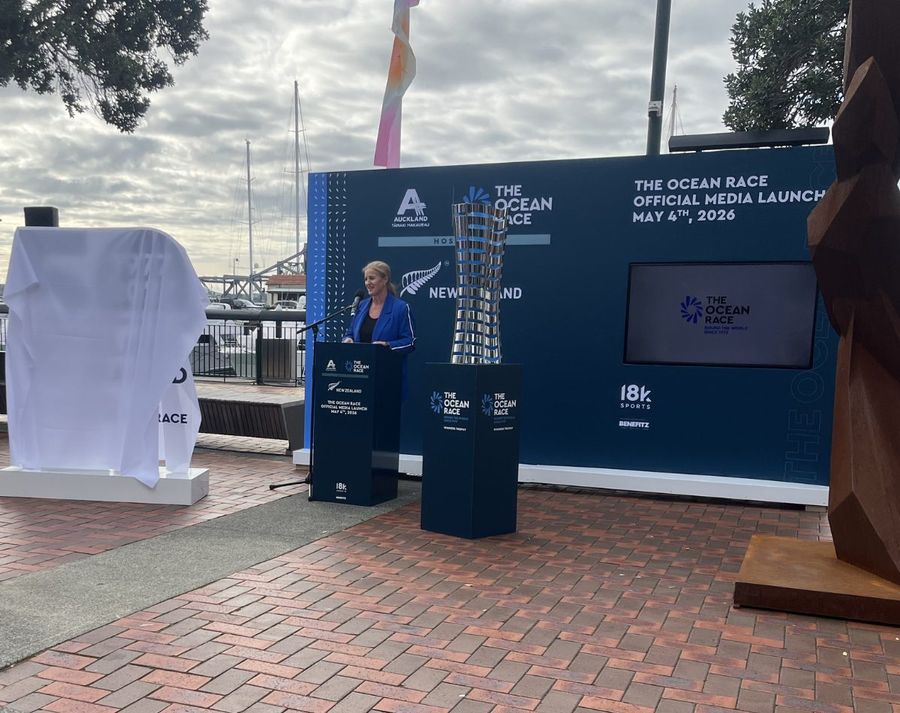
The opening leg, departing from Alicante in Spain and finishing in Auckland, will span 14,000 nautical miles, a distance that makes it the longest uninterrupted stage in the history of the event. Boats will cross the North Atlantic, descend through the South Atlantic, and battle through the Southern Ocean before reaching New Zealand shores. Brisius made no apology for the scale of it. "We believe in the Ocean Race that we should always make things a bit harder. If it's the same as last time, it's not hard enough."
Minister Upston, who grew up in Auckland as a sailor's daughter and described the race as "a really big deal in our family," translated the government's confidence into financial terms. The commitment of up to $4 million is built on an expectation of sustained economic return, with some teams spending as long as six weeks in New Zealand and generating extended hotel stays alongside broader spending across hospitality and accommodation. "The length of the stopover is a key driver of those returns," she said, "turning the event into a sustained period of activity rather than just a brief spike."
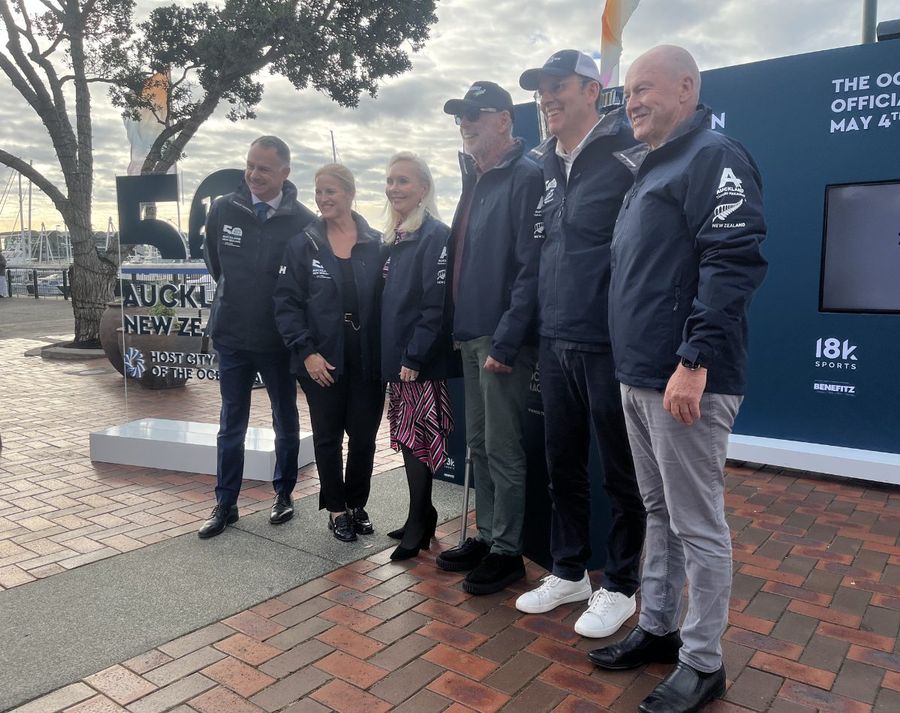
Mayor Wayne Brown described the race as a sport of heroes and spoke to the depth of Auckland's connection to the sea. He touched on the scientific data gathered by competing boats throughout each passage, highlighting the value of ongoing research into the microplastics crisis, before admitting, with evident amusement, that he had passed on the organisers' open invitation to sail the opening leg himself.
Leading boats are expected into the Waitemata Harbour on or around Saturday 20 February, with the Ocean Life Park opening to the public free of charge that same day. The village will remain open for three weeks, through to the Grand Departure on Sunday 14 March. A coastal race is scheduled for Saturday 6 March, and pro-am racing on the Hauraki Gulf will round out the competitive calendar before the fleet sets course for Brazil. When the race village last came to Auckland in 2018, it drew half a million visitors through the gates.
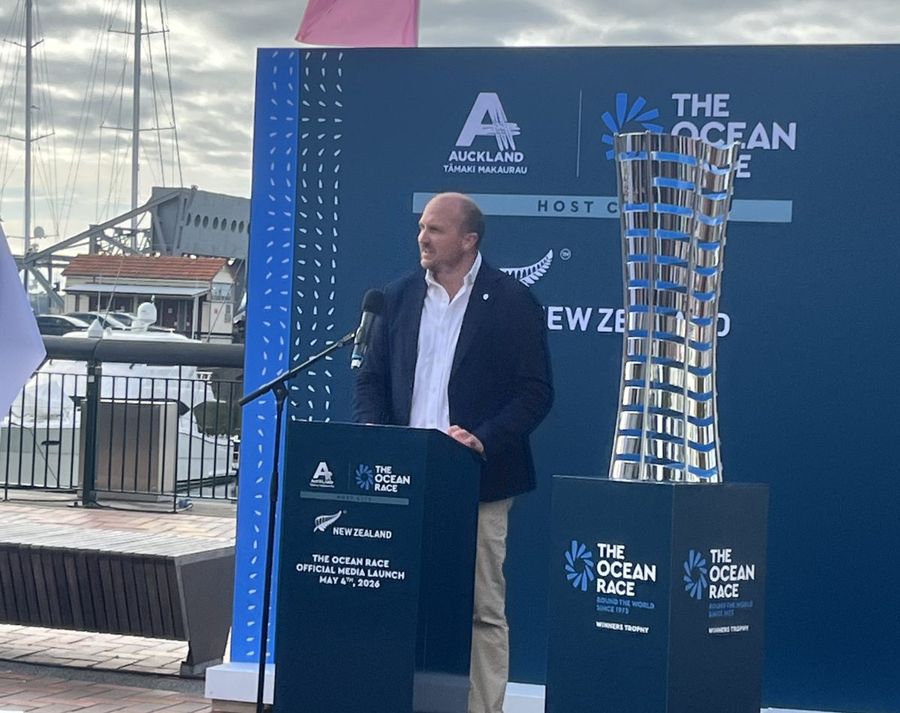
William Thomas of 18K Sports announced a three-part documentary series produced in partnership with Sky New Zealand and NZ On Air, tracing New Zealand's involvement across the Whitbread, Volvo Ocean Race and Ocean Race eras. The Sir Peter Blake Trust was confirmed as the official charity partner, with a commitment to raise funds for the Blake Foundation and honour his legacy throughout the event. A programme for people with disabilities will also run alongside the stopover, something Upston noted carries personal significance for her in her role as Minister for Disability Issues.
Brisius closed with a challenge to a room that needed no context for what he was asking. "When those boats fly into the Waitemata Harbour, we don't want you just to be watching. We want you to see the New Zealand flag back on the water, inspiring a nation and inspiring the world."