Justen Bersin Taylor didn't travel from Grenada to Antigua because he needed to learn to sail. He'd been racing for years. He went because he believes Para Inclusive Sailing has a future in Grenada, and he wanted to help build it.
"I came because I believe Para Inclusive Sailing has a real future in Grenada, and I wanted to help build that future not just for myself, but for the sailors who will come after me," he says. That framing, community over self, ran through the whole week.
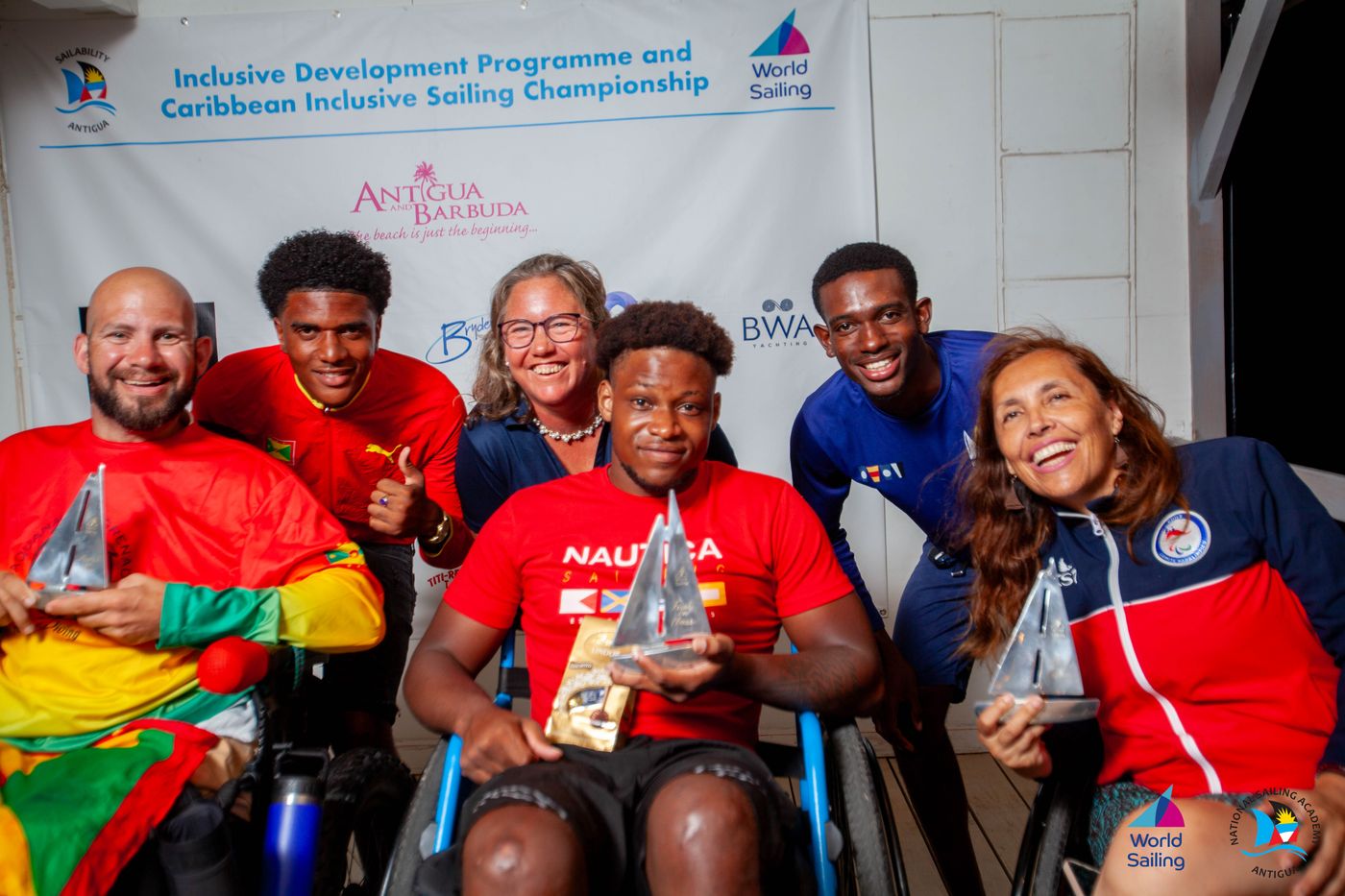
The Inclusive Development Programme, hosted at the National Sailing Academy in Antigua, drew sailors and coaches from across the Caribbean. It never felt like separate delegations. "Before long, it didn't matter which island you came from, we were all working towards the same goal."
The competitive centrepiece was the first Caribbean Inclusive Championships. Close racing, protests, plenty of learning, no shortage of laughter on the water. "That's what I'll remember most about the week; the atmosphere. We worked hard, but we also enjoyed every minute of it."
Off the water, the week was recognisably Caribbean. Singing and dancing after racing, someone always ready to help launch a boat or talk through a problem. Bersin Taylor calls it a spirit of "we'll make it work."
It seems to have been as much a feature of the week as the racing itself.
He returned home with more than new knowledge. New friendships, stronger connections across the region, a clearer sense of what's possible.
The next target is the World Sailing Inclusion Championships in Portugal, where he hopes many of the same sailors will meet again, this time representing their countries. A concrete goal for a group that, in several cases, had never sailed together before this week.
For now, his focus is on Grenada. Keeping the momentum going, encouraging more people into the sport, and creating opportunities for the next generation. The programme, he suggests, is less about producing sailors and more about producing the people who go home and build the future of the sport.